A Century-Old Kominka Finds New Life
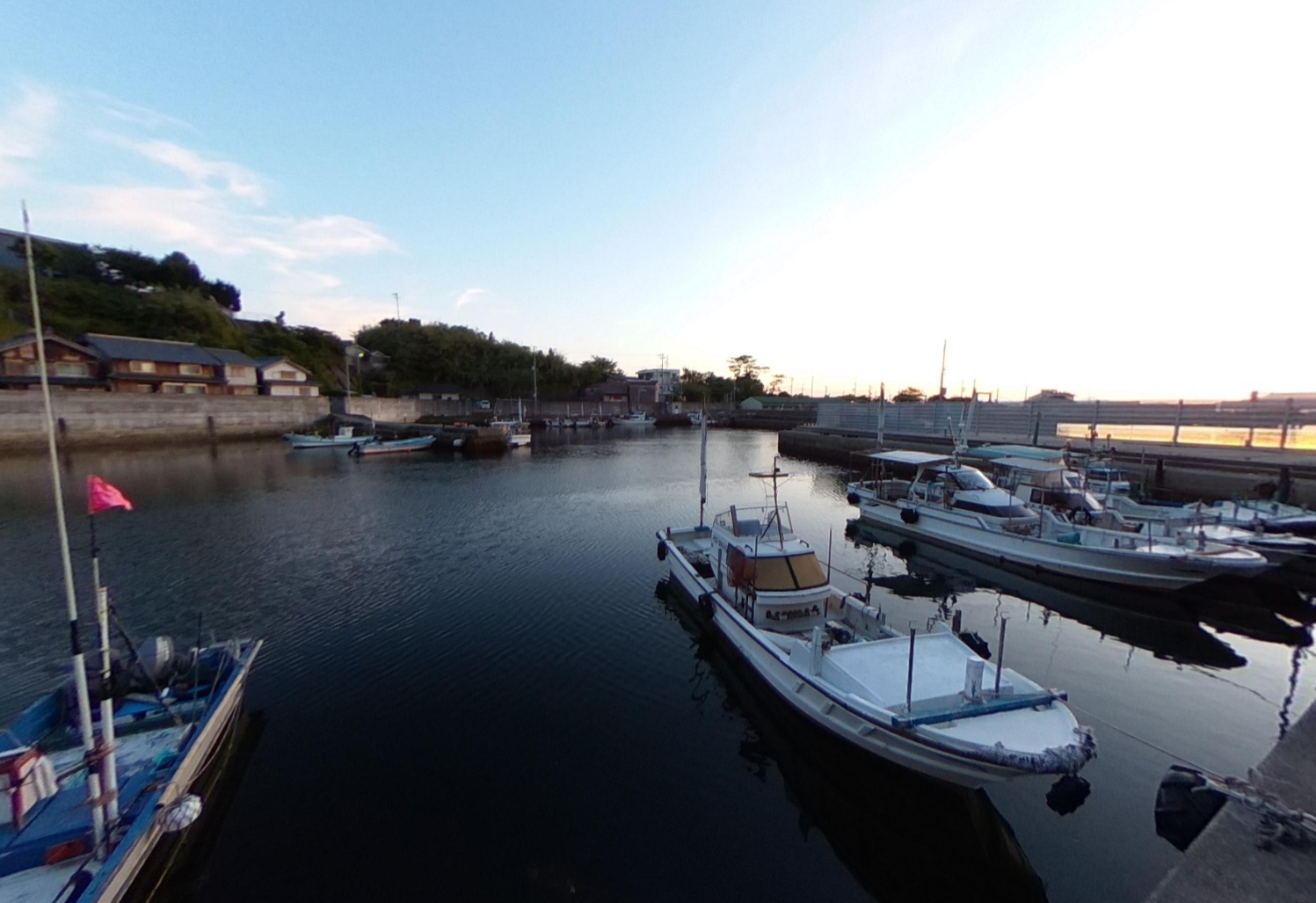
Recently, I acquired a 100-year-old kominka positioned directly overlooking Nushima’s working fishing harbor. Built in the 1920s and renovated in 1960, this traditional Japanese home represents the kind of authentic real estate opportunity that draws discerning buyers to Japan’s smaller islands.
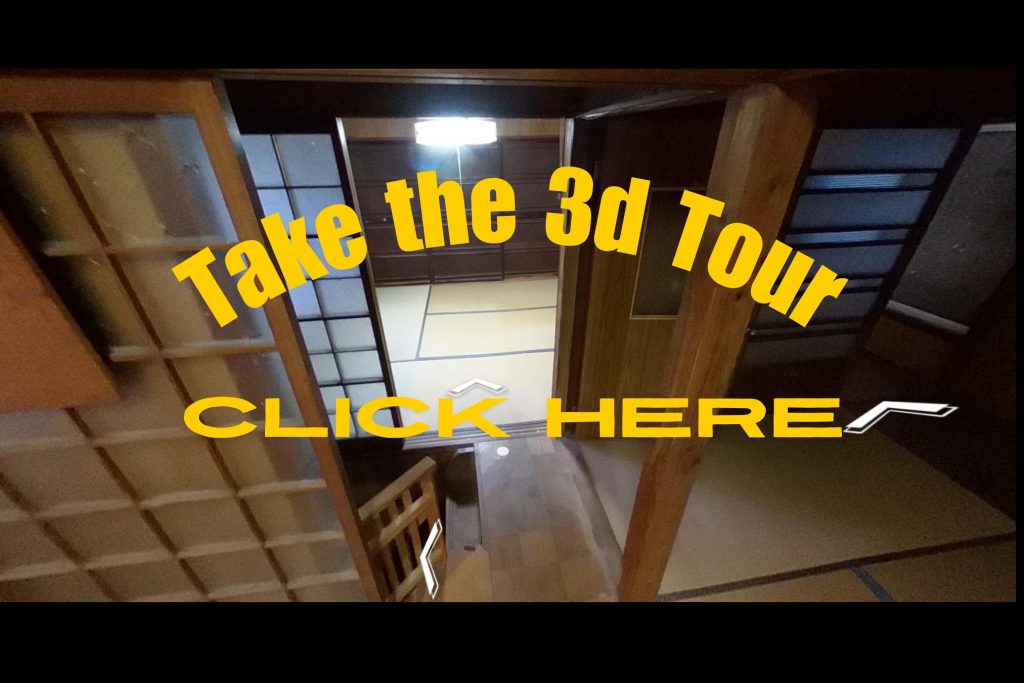
The structure retains its original character—beautiful tatami rooms, traditional shoji screens, and the sturdy post-and-beam construction that has weathered a century of Seto Inland Sea typhoons. The 1960 renovation updated essentials while preserving the home’s soul, creating a livable space that honors its heritage.
My restoration work has focused on making the kominka comfortable for modern living while respecting its history. Reconnecting water, electricity, and gas services brought the home back to life. Installing air conditioning—essential for Japan’s humid summers—was done thoughtfully to preserve interior aesthetics. These are labors of love undertaken several nights each week, when I sleep on my futon in rooms that overlook fishing boats moored just meters away.
The Romance of Waterfront Living
Waking in this harbor-front kominka offers something profound. Dawn light filters through shoji screens as fishing boats depart for morning catches. The gentle sounds of working harbor life—rope against hull, distant voices calling across water, the rhythmic pulse of diesel engines—create a symphony unique to Japan’s fishing communities.
This isn’t resort living or rural isolation—it’s authentic immersion in a functioning island community. Neighbors greet you at the harbor. Local fish appears at your door. You become part of maritime rhythms that have sustained Nushima for generations.
Real Estate Opportunity in Japan’s Islands
For investors and lifestyle seekers exploring real estate in Japan, properties like this kominka represent exceptional value. Century-old traditional homes in working fishing communities remain remarkably affordable compared to mainland Japan, particularly in tourist-heavy areas of Awaji Island proper.
The combination of accessibility (just 10 minutes by ferry), authentic character, and renovation potential makes Nushima an intriguing option for those seeking either permanent residence, a weekend retreat, or a distinctive rental property in an emerging market.
As Japan’s smaller islands attract growing attention from remote workers and lifestyle migrants, early investors in communities like Nushima position themselves in what may become tomorrow’s sought-after locations—places where traditional Japanese life continues, unhurried and genuine, just a ferry ride from modern convenience.