
The GPIF and Domestic Real Estate: What Japan’s Sovereign Fund Strategy Tells Private Investors
When the world’s largest pension fund makes a strategic move, it is worth pausing to understand why. The Government Pension Investment Fund, the GPIF, is widely regarded as the largest pool of retirement savings in the world, with assets in the order of ¥277 trillion as of its most recent disclosure. When its thinking on real estate shifts, we pay attention, particularly in the context of Japanese real estate investment.
What the GPIF Actually Does
The GPIF is not a sovereign wealth fund in the conventional sense. It holds reserves for Japan’s national pension system, and its own published investment principles state the goal plainly: to achieve the returns required for the public pension system “with minimal risks, solely for the benefit of pension recipients from a long-term perspective.” Every allocation decision it makes is subject to public accountability at a level most funds never face.
For most of its history, the fund held the heavy majority of its assets in Japanese Government Bonds. By 2014, when the Abe administration forced a reckoning, domestic bonds still accounted for close to 70% of the portfolio, a concentration that had delivered stability but at a significant cost to long-term growth. Meaningful real estate exposure was largely absent from the picture, and to understand why that has changed, it helps to understand what those decades of bond-heavy allocation actually produced.
The Bond Trap
The logic of holding Japanese Government Bonds was, for a long time, defensible. In a deflationary environment, capital preservation was the priority, meet obligations, take no unnecessary risk, avoid volatility. It was only in 2014, under the Abe administration’s reform programme, that the fund cut its domestic bond allocation sharply and doubled its equity target to 50%, explicitly acknowledging that a strategy centred on Japanese bonds would not generate the returns the fund needed.
The per-capita numbers tell that story quietly but clearly. The GPIF holds assets in the order of ¥277 trillion, roughly ¥2.2 million for every person in Japan. Australia’s superannuation system, the true apples-to-apples comparison as a national retirement savings pool, holds in the order of AUD $4.5 trillion, approximately ¥497 trillion at current rates (AUD/JPY ~110.60, March 2026), or around ¥18.4 million per Australian. On that measure, Australia’s retirement savings system holds roughly eight times more per capita than Japan’s pension reserve. That gap is, in part, a long shadow cast by decades of bond-heavy allocation in an environment that rewarded caution but penalised growth.
Since Japan has more recently re-entered mildly inflationary territory after that extended deflationary period, bonds look even less attractive than they did in 2014. Real assets, which tend to hold or grow their value as prices rise, occupy a different position in that calculus. Real estate, with income-generating property, inflation linkage, and relatively low correlation with equities, became the next logical step.
The Move Toward Real Assets
Since broadening its alternatives mandate, the GPIF has incorporated real estate through multiple channels, including J-REITs (Japan Real Estate Investment Trusts), a structure that differs significantly from how private investors access the market directly through real estate investment in Japan, listed on the Tokyo Stock Exchange and covering everything from logistics and office to residential and hospitality, and separately through unlisted real estate mandates awarded to global managers including CBRE Global Investment Partners and LaSalle Investment Management, with Mizuho Trust acting as gatekeeper. Its stated target has been a 5% allocation across real estate, infrastructure, and private equity.
We find that logic interesting, because at our scale we are asking a version of the same question.
Investment Strategy & Consulting in Japan: structure, execution, and performance over time.
Subscribe to receive new articles from Smith Realty Japan.
What We Take From It
On yield.
Income-generating property sits in a different position in Japan’s rate environment than it would in Australia or Canada. That gap is at the core of why we continue to find the Japanese market worth thinking about seriously.
On inflation.
Since Japan has cautiously re-entered mildly inflationary territory, the case for real assets as a purchasing-power hedge has become at least marginally more relevant to our own thinking. Whether that trend holds is genuinely uncertain, but it is a factor we are watching.
On demographics.
The standard counterargument to Japanese real estate is demographic: shrinking population, falling demand. The GPIF’s willingness to maintain real estate exposure suggests the picture may be more textured than the headline numbers imply. Location, asset quality, and the specific dynamics of individual urban markets shape outcomes in ways national averages obscure. That is consistent with what we see on the ground.
On diversification.
For investors with holdings concentrated in Australian equities or domestic residential property, Japanese real estate sits in a different currency, a different economic cycle, and a different risk profile. Whether that is worth acting on is a personal calculation, but it is one we have already made for ourselves, shifting capital from Australian residential property on the Gold Coast into west Japan as the appreciation case in one market matured and the entry case in the other became compelling.
The Gap Between Institutional and Private
The GPIF accesses real estate through funds and governance structures that bear no resemblance to how a private foreign investor buys and holds Japanese property. The scale, instruments, and constraints are entirely different.
What interests us is the underlying reasoning. A fund built around capital preservation and long-term income, one that spent decades in bonds and is only now correcting course, has looked at Japanese real estate and found it worth holding. Private investors operating at a fraction of that scale, able to move faster, buy selectively, and add value through renovation of older properties or development, have degrees of freedom the GPIF simply does not.
We are not looking at this to buy bonds or increase pension contributions. We are looking at it because the world’s largest retirement reserve, after decades of learned caution, has decided that Japanese real estate is worth holding. That is the part we find relevant, and it is the lens through which we continue to think about our own position in this market.
*Our Insights reflect how we think about investing in Japanese real estate, the questions we ask, the trends we watch, and the reasoning behind the decisions we make for our own portfolio. We share them in the hope they’re useful food for thought, but they are not advice, just one active investor’s view of the market.
For a broader view of how we approach investing, financing, and value creation in Japan, explore our insights on Japanese real estate investment.
Sources & Citations
1. GPIF Assets Under Management (¥277 trillion)
Government Pension Investment Fund, Wikipedia, citing GPIF official disclosure (September 2025)
https://en.wikipedia.org/wiki/Government_Pension_Investment_Fund
2. GPIF Bond Allocation ~70% pre-2014 and 2014 Reform
a) “Under Abenomics, the GPIF slashed its allocation to Japanese bonds, which stood at almost 70% before 2013.”
Top1000funds.com, March 2024
https://www.top1000funds.com/2024/03/japans-gpif-under-spotlight-following-plans-to-expand-manager-pool/
b) “GPIF’s domestic bond allocation plunged to 35% from 60%, while its targets for domestic and overseas equities more than doubled to 25% from 12% each.”
Pensions & Investments, November 2019
https://www.pionline.com/pension-funds/japans-gpif-posts-114-gain-september-quarter
3. Australian Superannuation Total Assets (AUD $4.5 trillion)
“Total superannuation assets increased by 0.8 per cent over the quarter to $4.5 trillion as at December 2025.”
Australian Prudential Regulation Authority (APRA), Quarterly Superannuation Performance, December 2025
https://www.apra.gov.au/news-and-publications/apra-releases-superannuation-statistics-for-december-2025
Note: Per-capita figures derived from GPIF and APRA data above, using AUD/JPY ~110.60 as at March 2026. Japan population ~124 million; Australia population ~27 million.
More Articles
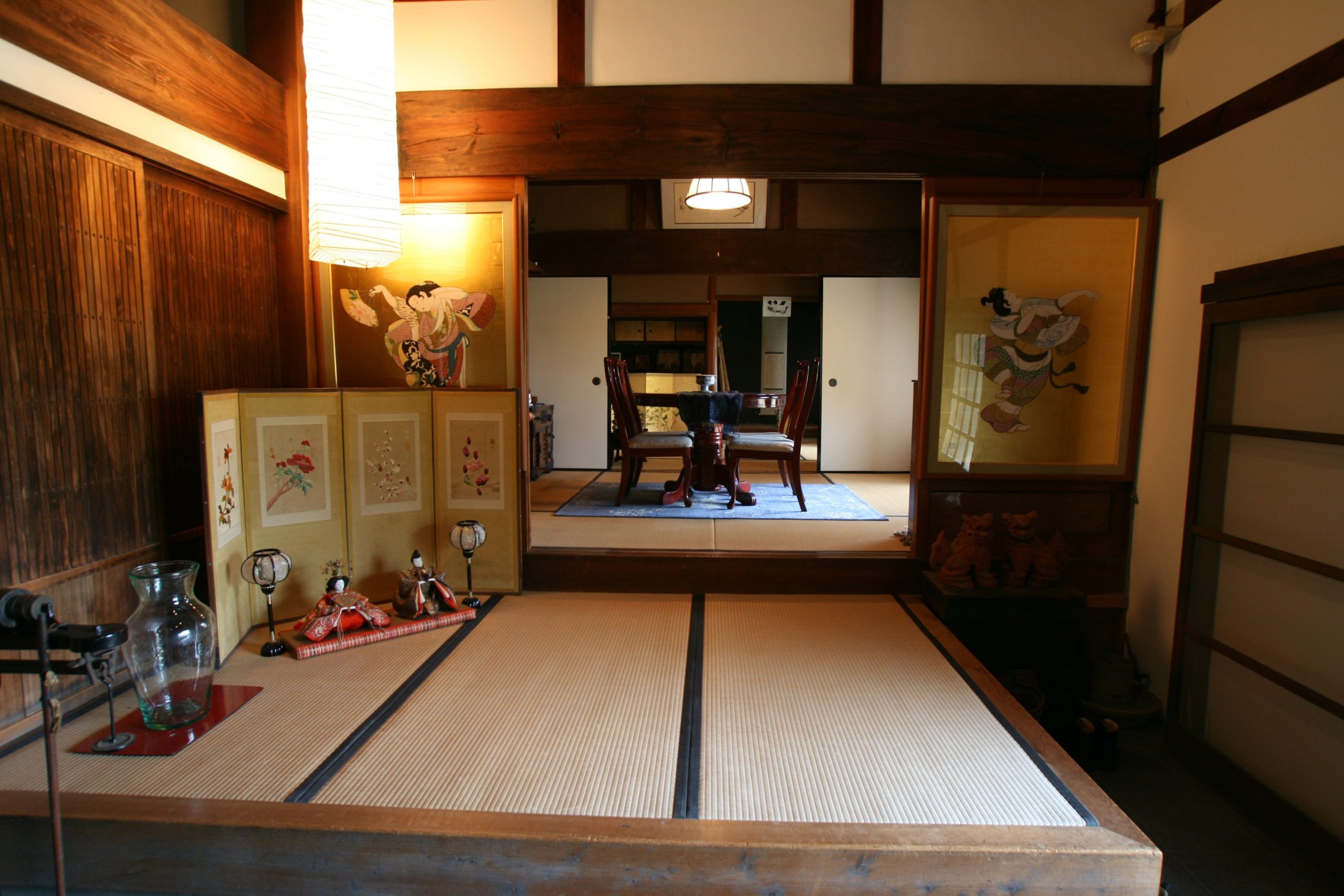
Across the internet today, you’ll see the words Kominka, Minka, and Akiya used everywhere — from travel blogs and YouTube ...
Author : Mark Smith
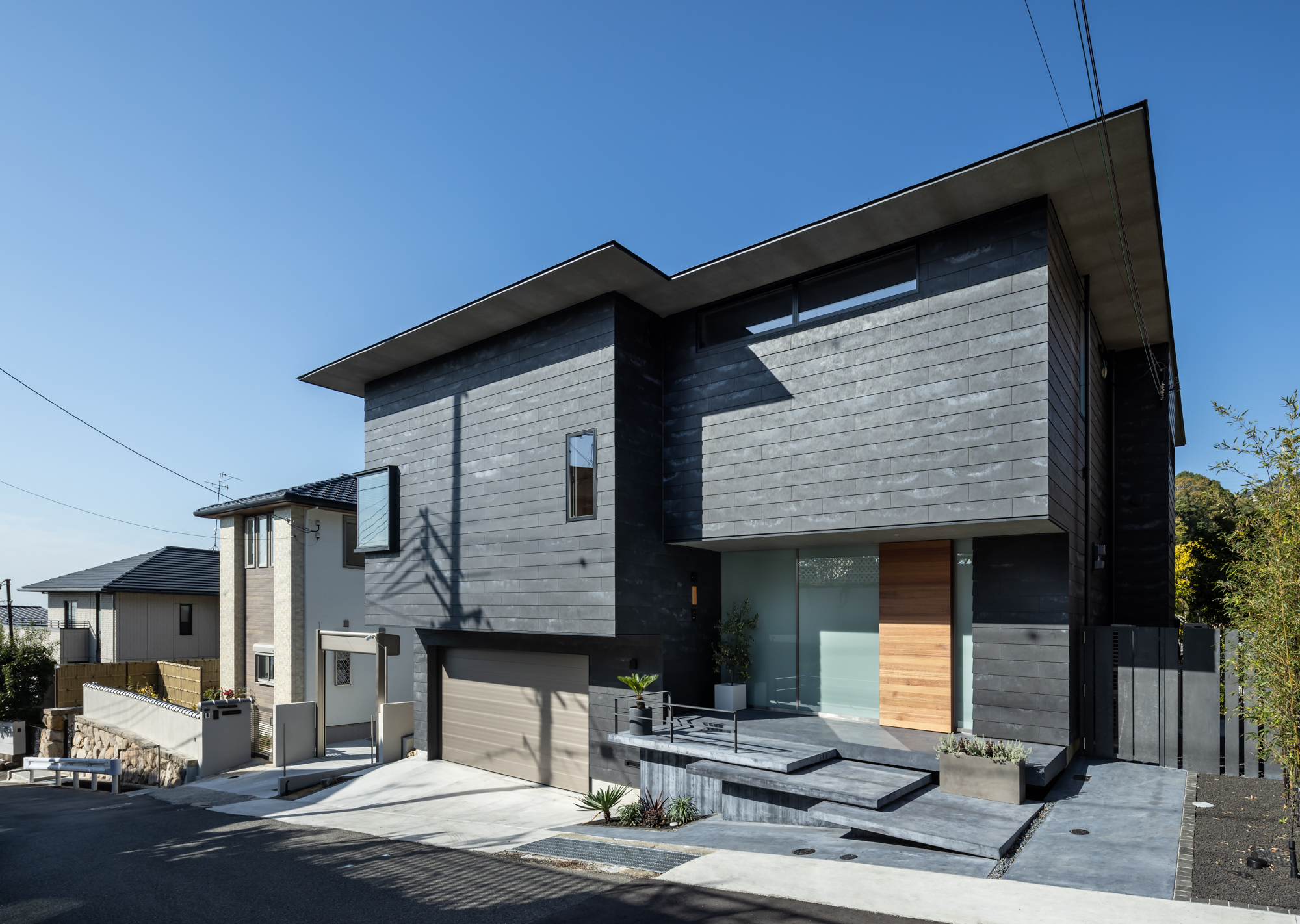
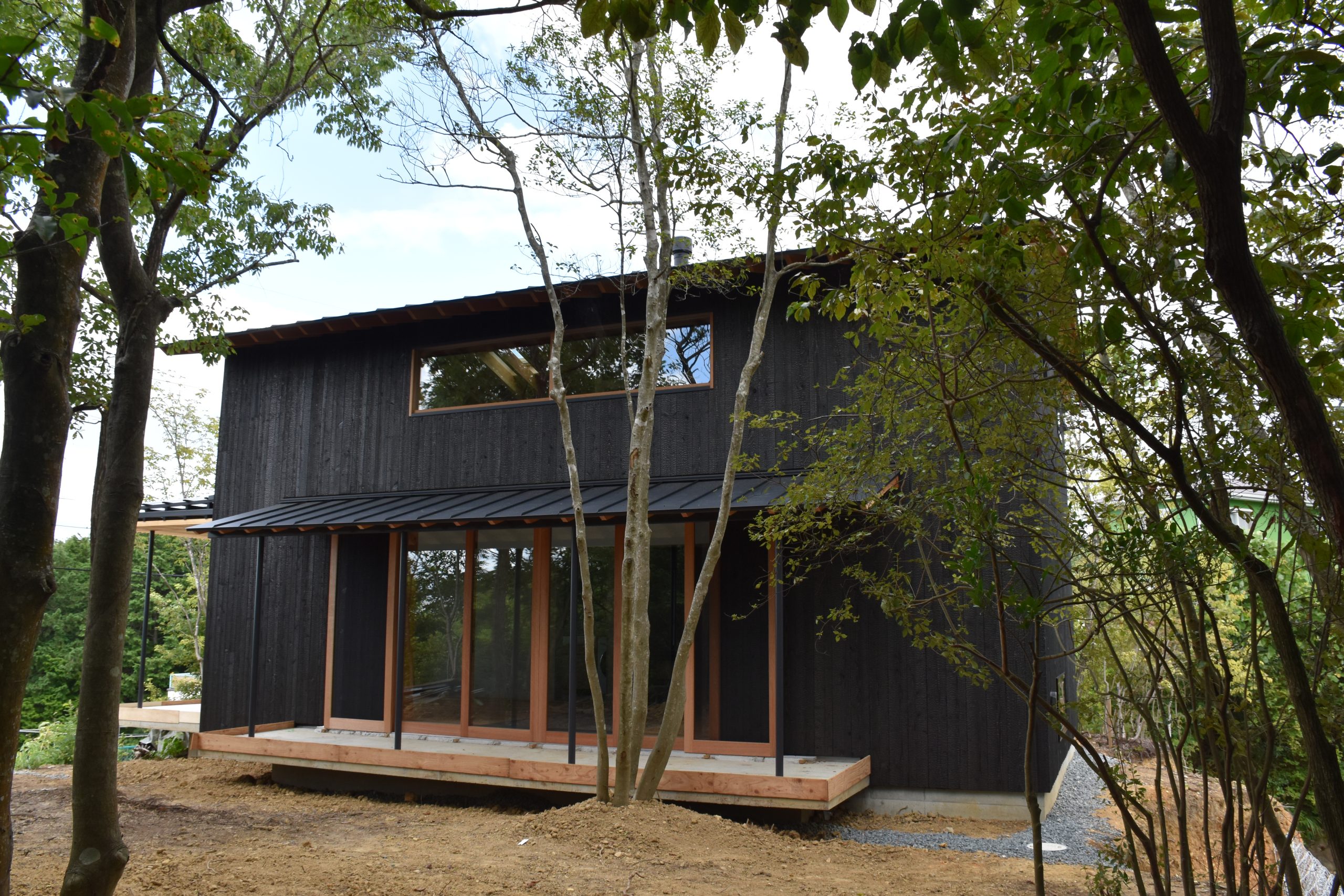
Mikage House From Vision to Reality. A Masterful Home Build Journey with Smith Realty Japan From the initial land preparation ...
Author : Mark Smith
Debate: Rising material costs and labor shortages have sparked discussion on whether investing in Japanese real estate is a smart ...
Author : Mark Smith
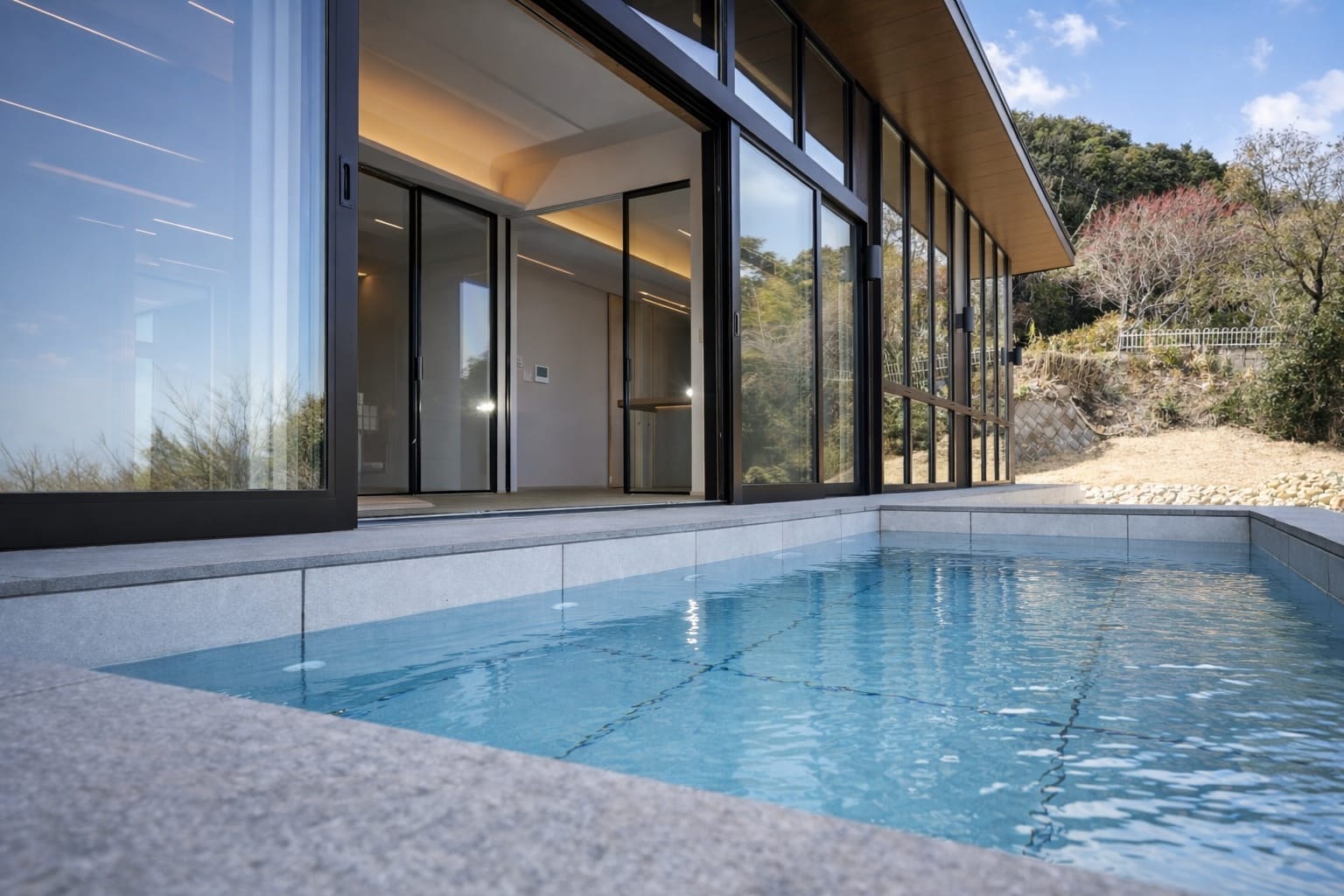
As Japan real estate consultants focused on Awaji Island’s west coast, we are increasingly being asked the same question: where ...
Author : Mark Smith
Japanese Architectual Elegance Introducing the Kato Villa – an embodiment of architectural elegance that harmonizes simplicity and nature. Designed as ...
Author : Mark Smith
Firstly, when it comes to building credit with Japanese banks for real estate investment, it’s important to understand that most ...
Author : Mark Smith