Renovating a Kominka, a traditional Japanese house, is both an art and a science.
These historic structures are part of Japan’s cultural heritage, and restoring them requires careful planning, respect for traditional materials, and practical foresight. Our project focuses on a 100-year-old Kominka that we will renovate in a minimalist, period-accurate style. The design reflects the simplicity of a fisherman’s home and avoids modern aesthetic trends. This approach highlights the growing appeal of historic properties in Japan real estate. Buyers and investors increasingly value authenticity and traditional craftsmanship.
Roof Restoration: Kawara Tiles and Structural Integrity
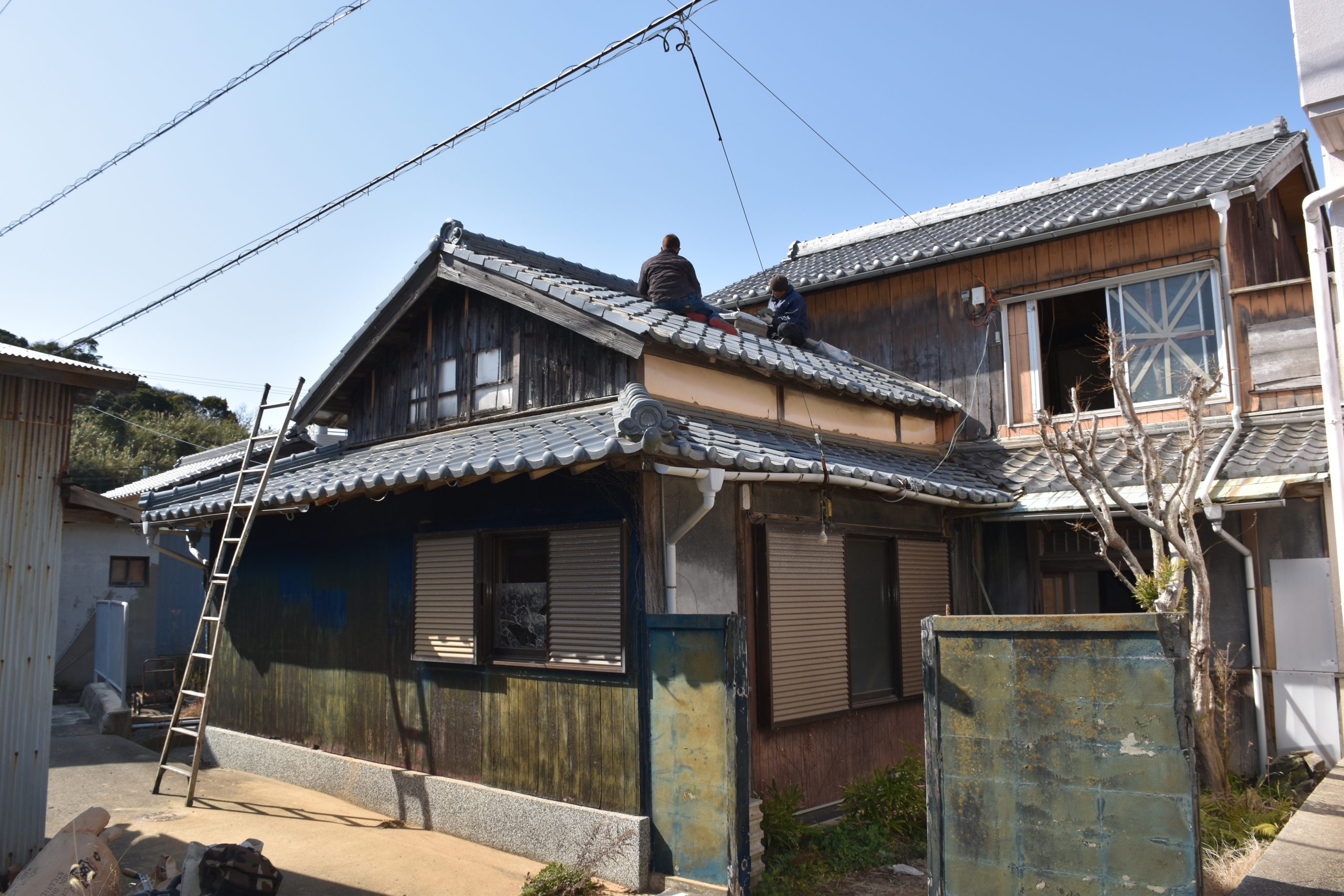
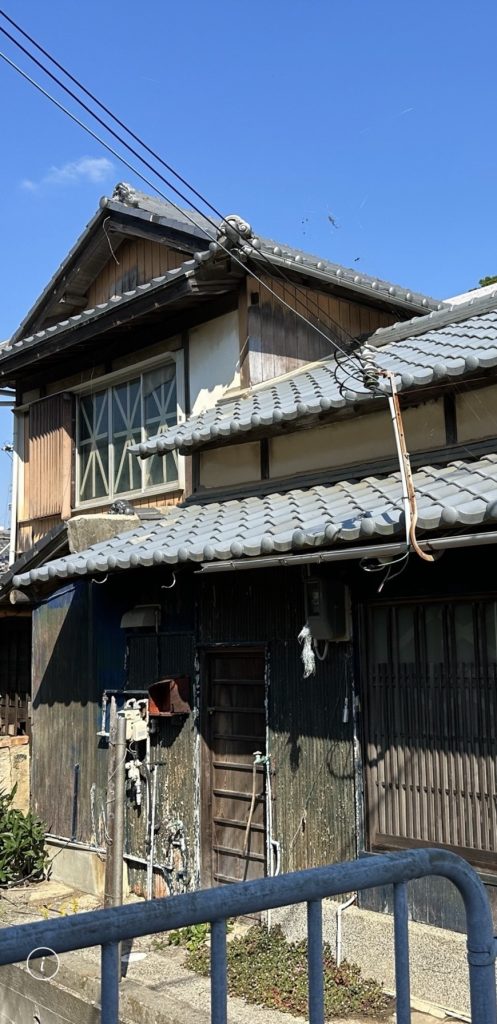
The renovation begins with a detailed inspection of the Kawara (Japanese roof tiles). Each tile is carefully reseated on a new clay base to ensure structural stability and preserve the roof’s traditional appearance. In a Kominka, the roof is central to the home’s integrity and historical character. Maintaining the original roof tiles protects the building from weather damage. It also increases the property’s value in Japan’s real estate market. Buyers highly prize these kinds of authentic features.
Timber Inspection and Period-Accurate Repairs
Next, the structure will be examined for white ant damage, water leakage, and wood rot. Damaged timbers will initially be replaced with new lumber to stabilize the building. Simultaneously, we will source period-appropriate timber through our demolition network in Japan. These temporary supports will eventually be swapped with authentic timber, ensuring the home retains its historical authenticity — a key factor in both preservation and Japan real estate value. Using timbers from the same era maintains the visual and structural consistency of the Kominka, which is critical for minimalistic, traditional renovations.
Interior Preparation: Inspection and Demolition
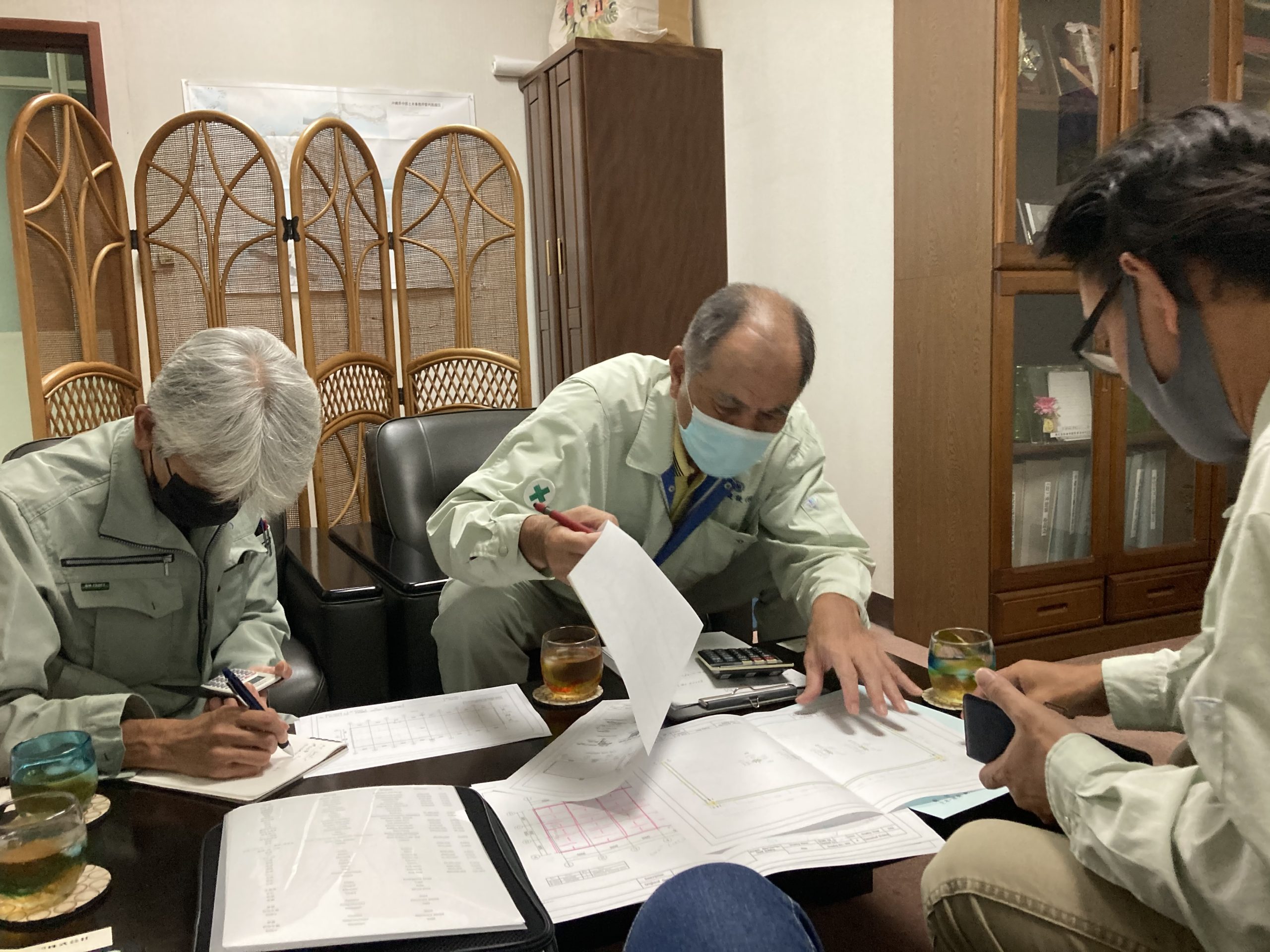
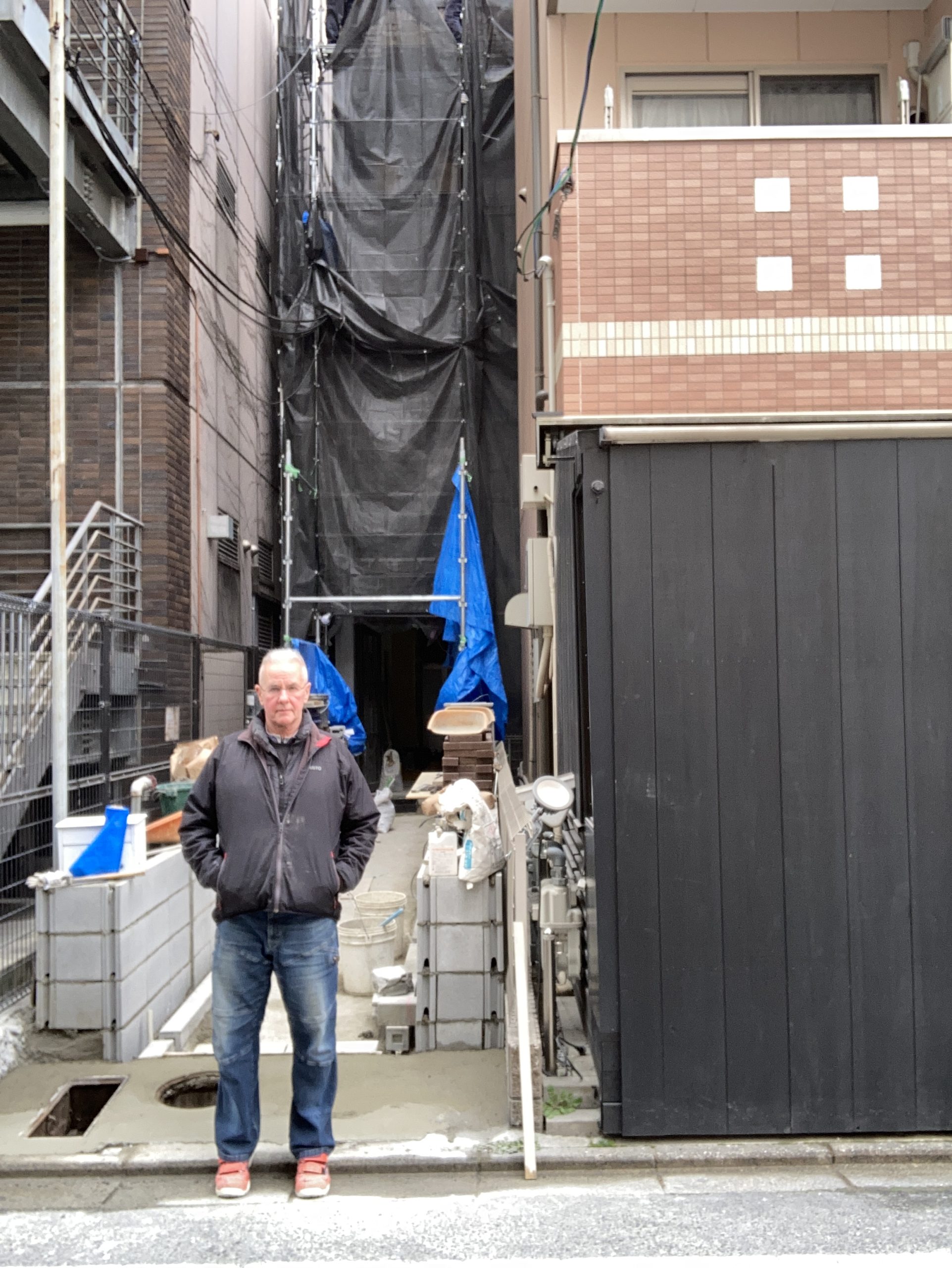
Once the roof and structural timbers are secure, the interior renovation will begin. Inspectors will thoroughly examine the foundation and internal beams to identify any structural weaknesses that need repair. The next phase will involve demolition and strip-out of interior elements. The renovation team will remove old flooring, ceilings, walls, and outdated fixtures to create a clean slate and preserve the original Kominka layout. This careful removal process is crucial in traditional Japanese home restoration, as it avoids unnecessary damage to original materials and keeps the renovation aligned with period-accurate principles.
Rough-In Work: Utilities and Insulation
Following demolition, rough-in work will begin. Contractors will discreetly install plumbing and electrical systems to provide modern functionality without altering the traditional floor plan. Builders will add insulation selectively to prioritize structural stability and practical comfort instead of modern aesthetics. This ensures the house remains functional for modern living while preserving its historic charm, which is increasingly important for Japan real estate buyers seeking heritage properties.
Floor Installation: Period-Appropriate Timber
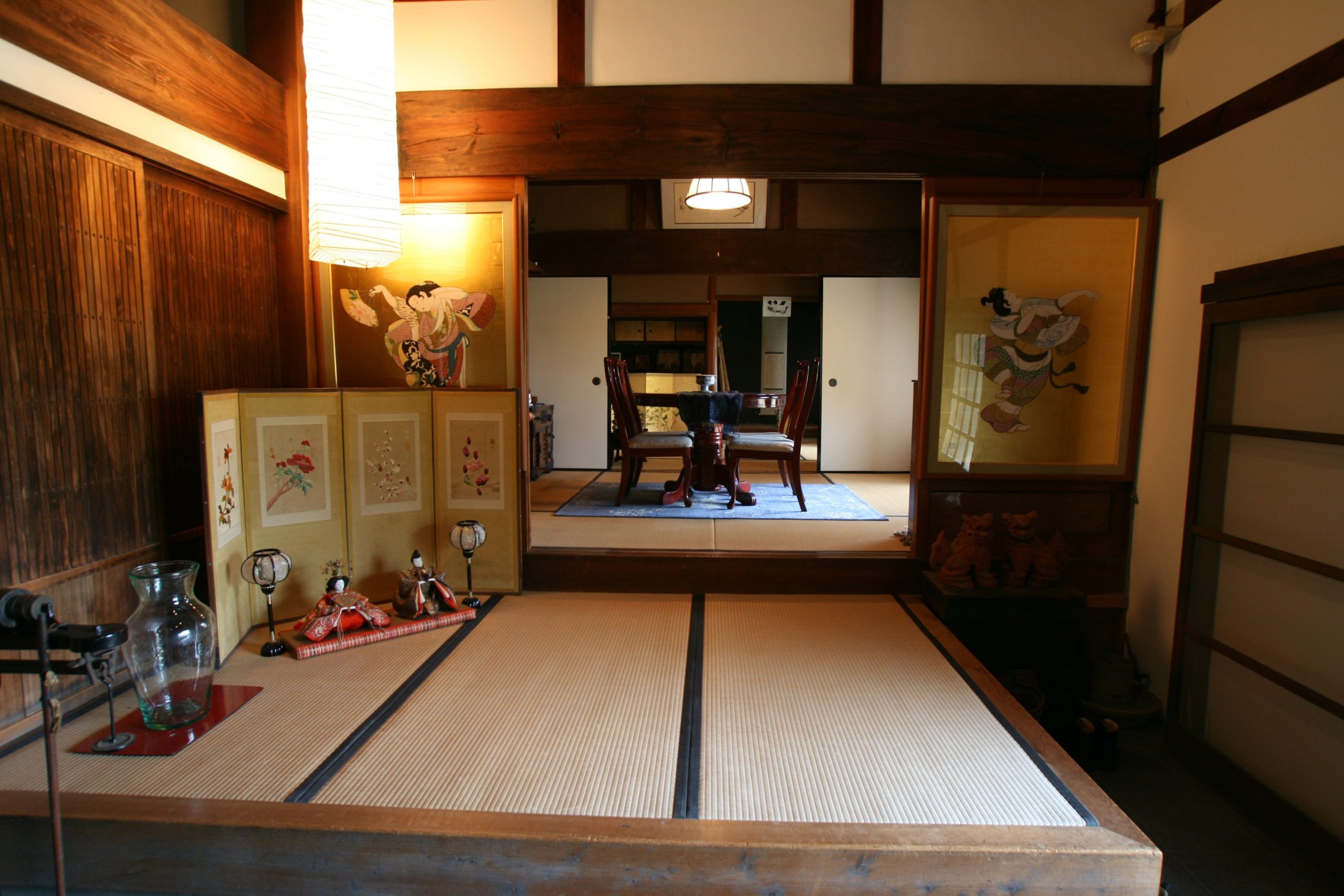
After rough-ins, attention will turn to floor installation. Floors will be repaired or replaced using timber consistent with the period, reinforcing tatami rooms and other original spaces. Properly installed floors preserve both functionality and historical accuracy, ensuring the house feels like a true Kominka. Using traditional flooring techniques enhances the authenticity of the property, which is a strong selling point in Japan real estate listings targeting heritage-focused buyers.
Walls and Ceilings: Minimalist and Functional
With floors in place, walls and ceilings will be repaired or rebuilt using traditional materials such as plaster and shoji panels. Minimalism is the guiding principle – open, functional spaces will be prioritized, with no modern decorative elements. This approach reflects the utilitarian design of a traditional fisherman’s Kominka and appeals to enthusiasts of historic Japanese home renovation.
Bathroom and Kitchen: Simple, Practical Fit-Out
The renovation crew will install bathroom and kitchen fixtures once the interior surfaces are ready. These will be simple and practical, consistent with the home’s traditional character. The goal is to maintain the functional simplicity that defines a Kominka while meeting basic modern requirements.
Final Details: Maintaining Authenticity
The final stage will involve completing functional details such as doors, trim, shoji screens, and electrical fittings. Workers will install delicate flooring, including tatami mats or hardwood, last to prevent damage during renovation. Throughout the process, inspections will ensure that every step balances structural integrity, historical authenticity, and practical usability. By following this careful, step-by-step approach, the renovated Kominka will remain a simple, functional, period-accurate home, offering a rare and attractive opportunity for buyers and enthusiasts in Japan real estate. This project shows how Kominka properties can preserve and restore their original charm while remaining practical and functional, emphasizing the lasting appeal of traditional Japanese homes in today’s property market.