Reform & Renovation
Reform & Renovation in Japan
Structure, process, and reuse of existing buildings
Join our insights, based on projects we have supported in our own work.
Renovation in Japan covers a wider spectrum than most buyers and investors initially appreciate. It ranges from the careful restoration of a century-old timber kominka, every joint hand-cut, every tile reseated by someone who understands what they are working with, to the demolition of a failed hotel's upper floors and the architectural conversion of its retained concrete base into four Minpaku residences.
Author : Mark Smith
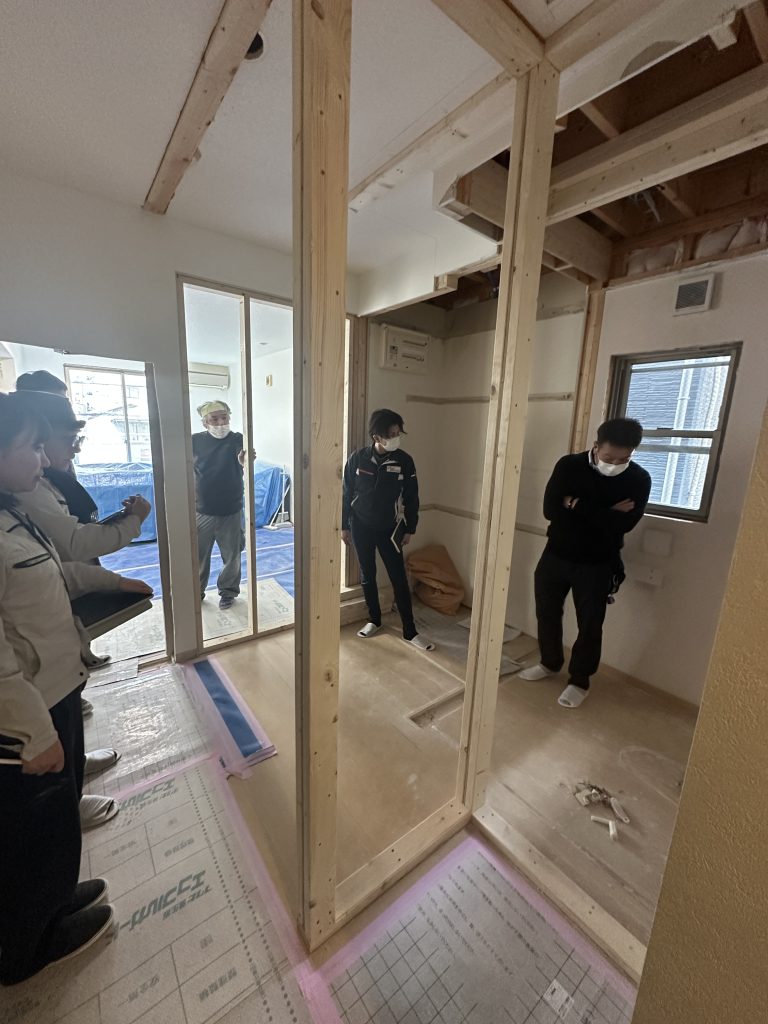
A client approached us with a straightforward renovation request: installing a large Western-style bathtub , a 66‑inch American tub , in the second‑floor bathroom of an existing house.
Author : Mark Smith
Let’s start with a question we’re often asked: What don’t we do? This came up recently, and while it was meant as a compliment, given the wide range of real estate-related tasks we handle, it’s an important distinction to make. With our extensive network of trusted professionals, it’s easy to see why someone might think Smith Realty and our hands-on team at Smith&Co. handle everything related to real estate in Japan. But there are indeed several things we don’t do.
Author : Mark Smith
Most Japan real estate developers confronting this assessment would immediately withdraw. Moreover the technical complexity, liability exposure, and cost uncertainty typically render such Japan property projects untouchable. However, Smith & Co's Japan construction consulting expertise enabled a different perspective: this wasn't an impossible problem, but rather an engineering challenge requiring methodical solution and precise execution within Japan's regulatory framework.
Author : Mark Smith
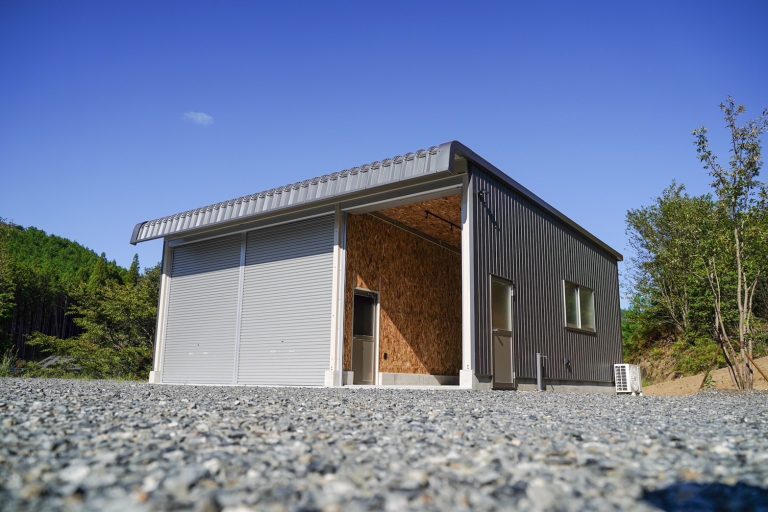
At Smith&Co, we regularly work with two leading Japanese warehouse manufacturers, Kakuichi and Inaba. Based on decades of real estate experience in Japan, we can confidently say that both manufacturers produce solid, long-lasting, and high-quality warehouse and garage structures.
Author : Mark Smith
Asbestos was once a cornerstone material in the Japanese construction industry. It was widely used from the 1950s to the early 1980s and estimated to have been used in 2.8 million private buildings. Its unique combination of heat resistance, durability, and affordability made it particularly popular in various applications. These included insulation, roofing, flooring, cement products, and fireproofing materials in both residential and commercial buildings. Asbestos was used extensively in public and private sector projects, from high-rise buildings to schools, hospitals, and homes. Given its extensive use, its presence in these structures has become a lingering concern as the serious health risks associated with asbestos exposure became more apparent.
Author : Mark Smith
A deep understanding of the target area’s characteristics and renovation costs is essential before making an offer on used real estate. Established businesses expanding into new locations often possess this knowledge in-house, but this isn’t always the case. For residential projects, such as creating a home or apartment, having a working knowledge of the local environment is critical.
Author : Mark Smith
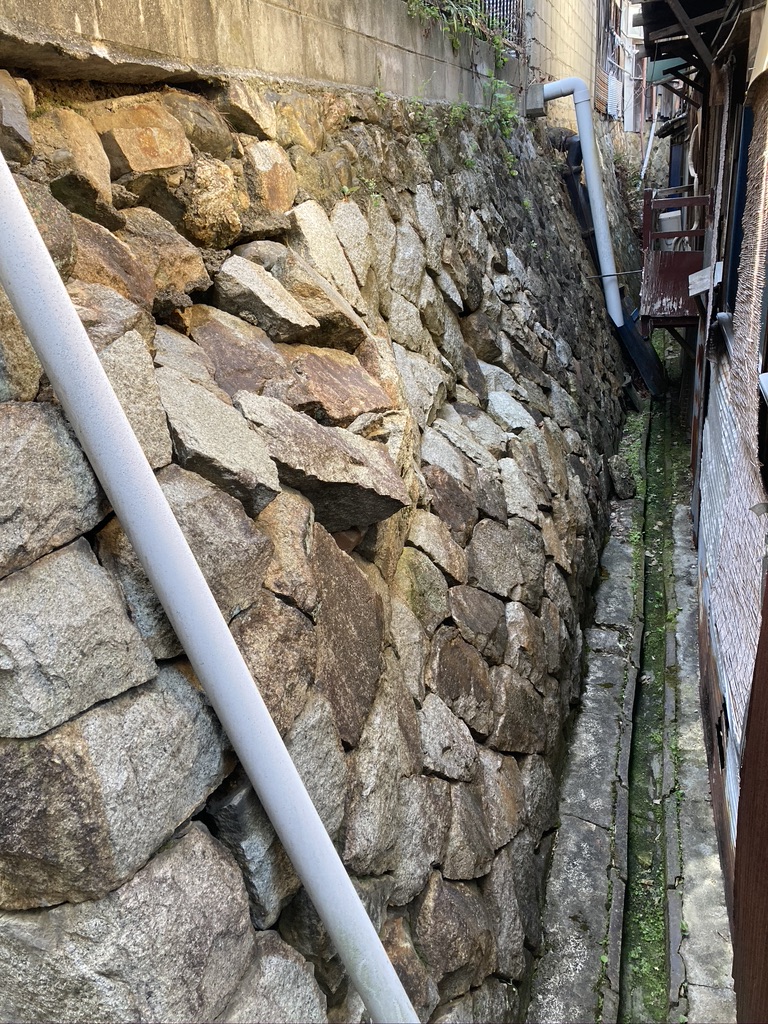
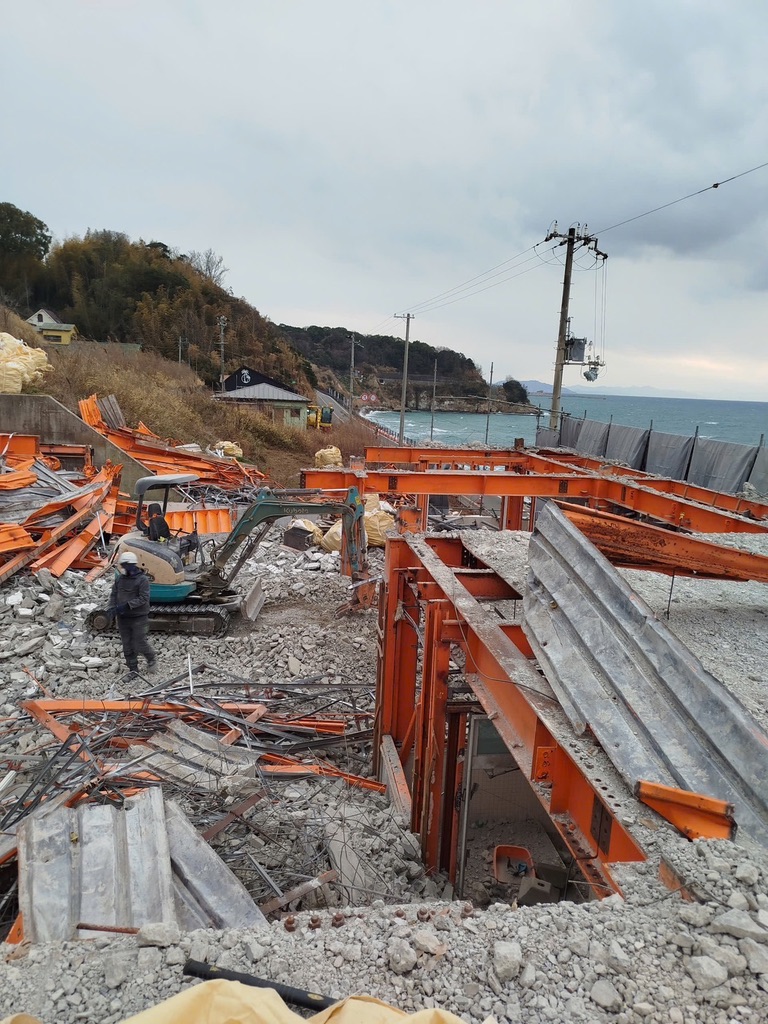
Smith&Co was approached to handle a small scale Japanese demolition project. While the demolition itself was straightforward, multiple challenges had delayed the start of the project. The customer expressed concerns about neighborhood complaints, the potential loss of land, and a high estimate they had received prior to contacting Smith&Co.
Author : Mark Smith