
Japan's Growing Ocean Interest: What It Means for Coastal Property Investment
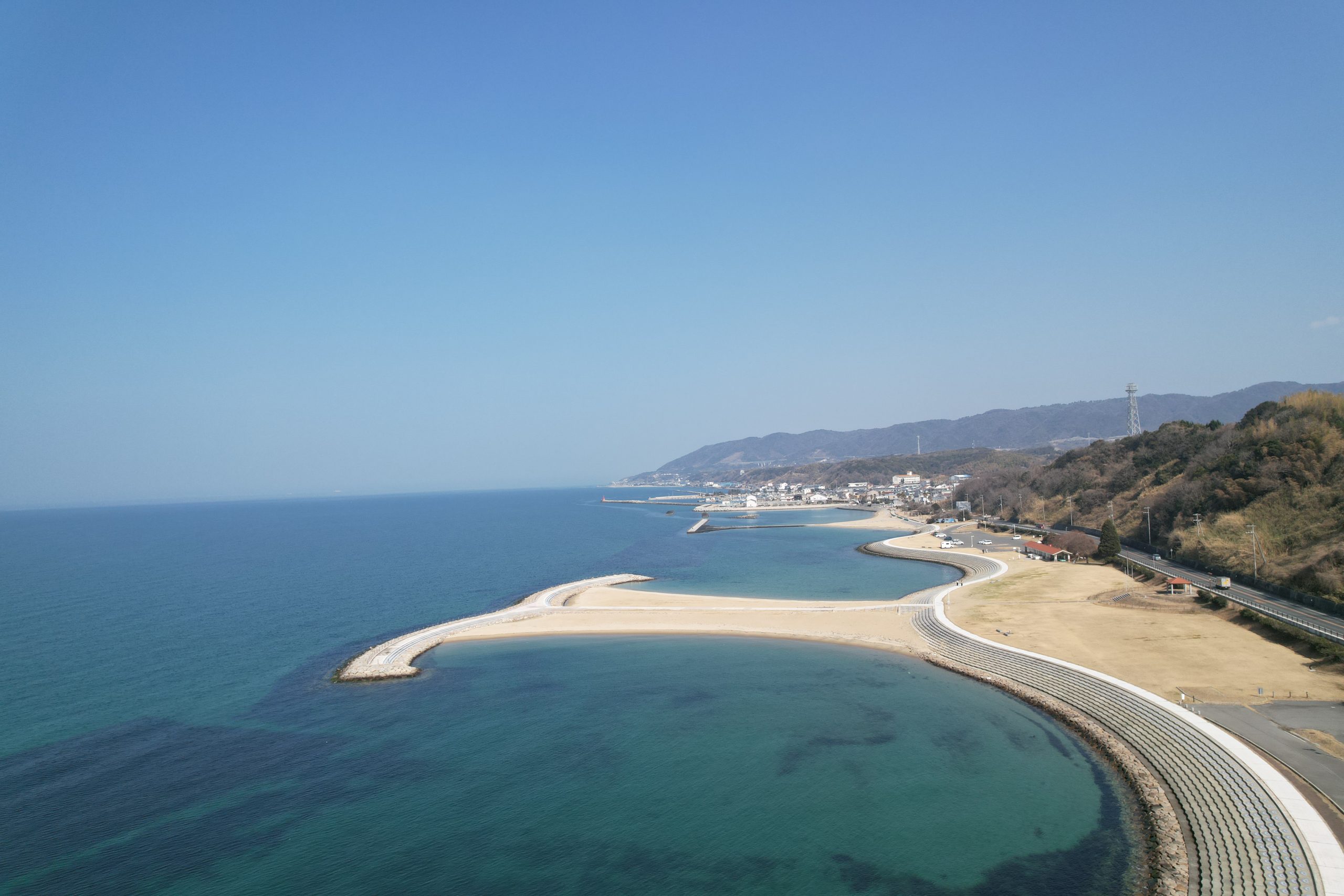
The Shifting Japanese Lifestyle Preference
Japan’s relationship with its coastline is undergoing a significant transformation. While the nation has always been surrounded by ocean, 2024-2025 data reveals a measurable shift in how Japanese consumers and international visitors are engaging with coastal environments, a trend that carries substantial implications for real estate investors, particularly in regions like Awaji Island.
Recent tourism statistics paint a compelling picture. Japan welcomed 28.5 million international visitors between January and June 2025, representing a 21% increase over the same period in 2024. More significantly for coastal property markets, the composition of this tourism is changing. Travelers are increasingly moving beyond Tokyo, Kyoto, and Osaka toward regional destinations that offer authentic nature-based experiences. This isn’t speculation, it’s reflected in booking data showing a 32% annual increase in packages to regional areas like Takayama, and similar growth patterns in coastal destinations.
The Ocean Wellness Movement
The wellness tourism sector in Japan, valued at significant billions, is experiencing a notable pivot toward ocean-based experiences. While onsen (hot spring) culture has dominated Japanese wellness tourism for centuries, ocean activities are emerging as a complementary trend. The diving tourism market alone is projected to grow at 3.6% CAGR through 2035, reaching USD 265.8 million by that year.
This growth isn’t driven by extreme sports enthusiasts. Rather, it reflects a broader cultural shift toward what industry analysts call “blue wellness”, the therapeutic benefits of ocean proximity. Marine-based activities, ocean swimming, beach walking, and simply residing near coastal environments are being recognized for mental health and physical wellbeing benefits that align with Japan’s established wellness culture.
The data on ocean-based foods provides additional evidence of this coastal orientation. Ocean ingredients are becoming a standout trend in Japanese cuisine for 2025, driven by sustainability concerns and nutritional awareness. This isn’t just about what people eat, it’s about where they want to be. The rising cultural importance of ocean resources correlates with increased interest in coastal living environments.
Awaji Island: Positioned at the Intersection of Multiple Trends
Awaji Island presents a case study in how these trends converge into real estate value. Since 2008, the Pasona Group has invested substantially in positioning Awaji as an “Island of Gastronomy, Culture and Art, and Health.” This isn’t marketing rhetoric, it’s backed by infrastructure investment, facility development, and measurable tourism growth.
The island’s geographical advantages are quantifiable. Located just 30 minutes from Kobe and one hour from Osaka via the Akashi Kaikyo Bridge (the world’s longest suspension bridge), Awaji offers coastal living without sacrificing urban accessibility. This proximity factor has become increasingly valuable as remote work and flexible corporate structures allow professionals to prioritize lifestyle over daily commute convenience.
Recent accommodation development on Awaji tells its own story. Multiple ocean-view private villas and luxury properties opened between 2023 and 2025 specifically targeting the wellness tourism market. Properties like oceanfront villas with private pools, high-end ryokans with ocean views, and architect-designed facilities are commanding premium rates and maintaining strong occupancy, indicating sustained demand rather than speculative development.
Comparable Coastal Market Performance
To understand Awaji’s potential, examining similar coastal markets provides context. Kobe, also positioned on the Seto Inland Sea, experienced property price increases of 42.5% for new condominium units in 2024, significantly outperforming Tokyo and Osaka. Industry analysis attributes this growth partly to “Kobe’s picturesque coastal location” and its appeal to international communities.
This isn’t an isolated phenomenon. Across Japan’s regional coastal areas, properties combining ocean access with reasonable proximity to major cities are seeing disproportionate interest. The key differentiator is authentic coastal experience, beaches, marine activities, seafood culture, rather than merely ocean-adjacent urban development.
Government Policy Alignment
Japanese government tourism policy is actively supporting the trends that benefit coastal regional properties. The Japan Tourism Agency has set ambitious targets of 60 million inbound visitors and JPY 15 trillion in tourism spending by 2030. Critically, their strategy explicitly emphasizes regional tourism development to address overtourism in major metropolitan areas.
This policy direction translates to infrastructure investment, promotional support, and regulatory frameworks designed to facilitate tourism-related property development in regional areas. For property investors, this represents tailwind rather than headwind, government resources are being deployed to enhance exactly the types of destinations where coastal properties are located.
The Foreign Buyer Perspective
Foreign investment in Japanese real estate reached 27% of total transactions in 2024, up from 21% five years earlier. The weak yen has made Japanese assets more affordable for USD, EUR, and other major currency holders, but currency advantage alone doesn’t explain investment patterns.
International buyers are increasingly seeking properties that offer lifestyle value beyond pure financial return. The convergence of ocean access, wellness culture, food tourism, and cultural authenticity creates a compelling value proposition that transcends exchange rate arbitrage. Properties that can demonstrate connection to these trends command premium pricing and experience shorter marketing periods.
Market Timing Considerations
Several factors suggest favorable timing for coastal property investment in regions like Awaji Island:
Supply Constraints: National housing construction activity decreased 4.6% in January 2025 following a 1% decline in 2024. Reduced new supply coupled with rising demand creates upward price pressure, particularly in desirable coastal locations where land availability is inherently limited.
Tourism Infrastructure: The 2025 Osaka World Expo (expecting 28.2 million visitors, 10% international) is driving regional infrastructure improvements that benefit nearby Awaji Island. Properties purchased before major events typically appreciate as infrastructure develops and awareness increases.
Demographic Shifts: While Japan’s overall population is declining, domestic migration patterns show movement toward quality-of-life destinations. The rise in single-person households (34% of all households in 2024) creates demand for smaller, lifestyle-focused properties rather than large family homes, exactly what coastal resort areas typically offer.
Investment Framework
For investors evaluating coastal Japanese real estate, the ocean trend data suggests several analytical considerations:
Accessibility: Properties within 1-2 hours of major urban centers maintain dual appeal, weekend/vacation use for city residents and permanent residence for remote workers.
Authentic Coastal Features: Genuine beach access, marine activity infrastructure, and seafood culture provide differentiation that generic ocean views cannot match.
Wellness Infrastructure: Proximity to onsen, hiking trails, cycling routes, and other wellness amenities compounds ocean-related appeal.
Tourism Fundamentals: Properties that can serve dual purposes (personal use and short-term rental) benefit from tourism growth while the owner isn’t in residence.
Conclusion
The data indicates Japan’s coastal regions, particularly accessible islands like Awaji, are experiencing a confluence of favorable trends: rising domestic and international tourism, growing wellness culture emphasizing ocean proximity, government policy supporting regional development, and foreign investment seeking lifestyle-oriented assets.
For real estate investors, these aren’t abstract cultural observations, they translate into measurable market dynamics affecting property values, rental yields, and long-term appreciation potential. The ocean trend isn’t a fad; it’s a documented shift in how Japanese society and international visitors are engaging with coastal environments, with clear implications for property markets positioned to capitalize on this evolution.
Sources & References
Tourism Statistics:
• Japan National Tourism Organization (JNTO) – Japan Travel Trends & Statistics 2025 (28.5M visitors Jan-June 2025, 21% increase)
• Tourist Japan – Japan Travel Trends & Statistics 2024 (32% annual increase in regional packages to Takayama)
Diving & Ocean Tourism:
• Future Market Insights – Japan Diving Tourism Market Size & Insights 2025-2035 (3.6% CAGR, USD 265.8M by 2035)
Ocean Food Trends:
• Food in Japan – Japanese Food Trends to Watch in 2025 (Ocean-based foods trending)
Awaji Island Development:
• Awaji Island West Coast – Pasona Group Regional Revitalization (Island of Gastronomy, Culture and Art, and Health initiative since 2008)
Kobe Real Estate Performance:
• International Investment – Japan’s Real Estate Trends in 2025 (Kobe new condos +42.5% in 2024, coastal location appeal)
Government Tourism Policy:
• JITTI USA – Tourism in Japan: 2024 Numbers and 2025 Outlook (60M visitor target by 2030, JPY 15 trillion spending)
Foreign Investment Trends:
• Nippon Tradings – Japan’s Real Estate Market 2024-2025 (Foreign investment 27% of transactions in 2024, up from 21%)
Supply & Construction Data:
• Tokyo Portfolio – Japan’s 2025 Real Estate Market Trends (Housing starts -4.6% Jan 2025, -1% in 2024)
Demographic Trends:
• Bamboo Routes – 17 Strong Forecasts for Real Estate in Japan in 2025 (Single-person households 34% in 2024)
Disclaimer: This article is provided for informational purposes only and does not constitute financial, legal, or investment advice. Real estate investment involves risk, and past performance or current trends do not guarantee future results. Readers should conduct their own due diligence and consult with qualified legal, tax, and financial professionals before making any property investment decisions in Japan. Market conditions, regulations, and economic factors are subject to change.
Smith Real Estate specializes in construction consulting and property services for foreign clients in Japan’s Kansai region, including Awaji Island. With over 35 years of Japan experience, we provide comprehensive support from land acquisition through construction completion.
More Articles
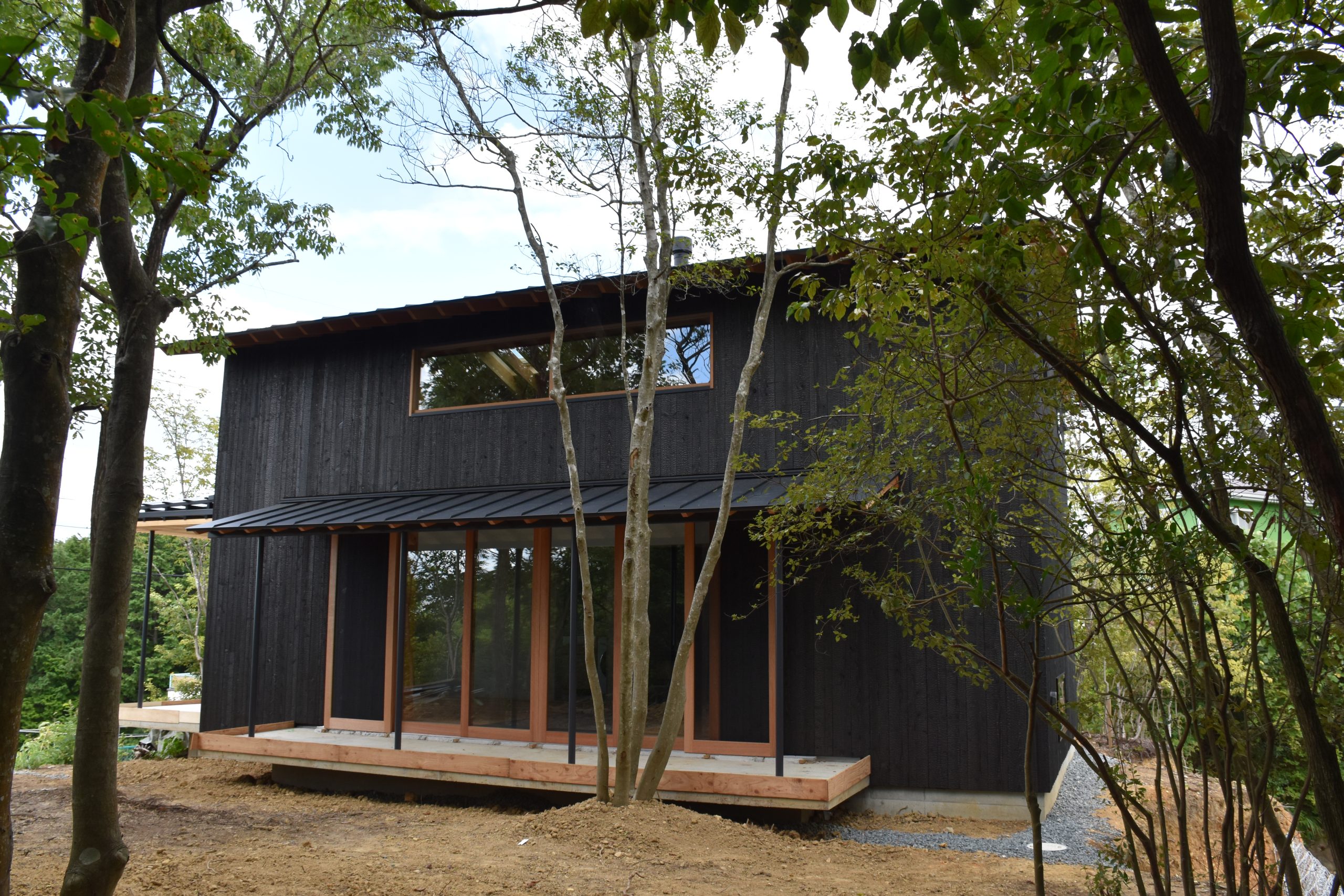
Japanese Architectual Elegance Introducing the Kato Villa – an embodiment of architectural elegance that harmonizes simplicity and nature. Designed as ...
Author : Mark Smith
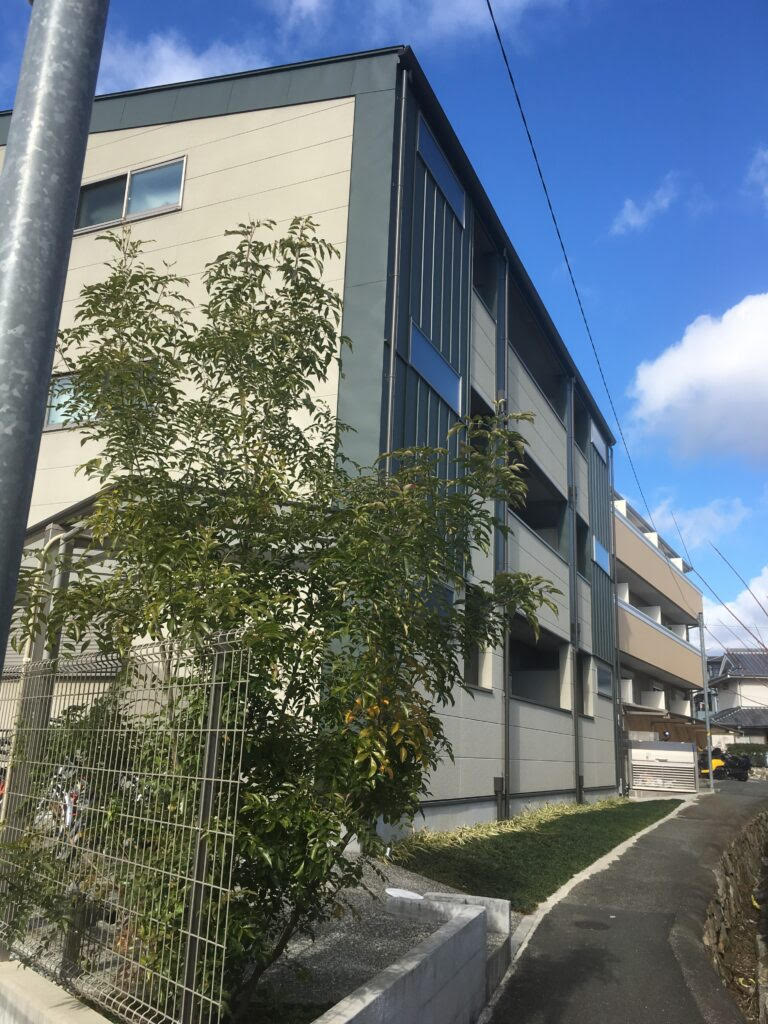
Broad-based capital growth, the kind that rewards participation over selection, has been largely absent from suburban markets for more than ...
Author : Mark Smith

In many countries, post‑construction cleaning might be treated as a simple task carried out by general labor. In Japan it ...
Author : Mark Smith

The Japanese building industry has transformed dramatically since the 1970s, driven by technological advancements, societal shifts, and the need for ...
Author : Mark Smith
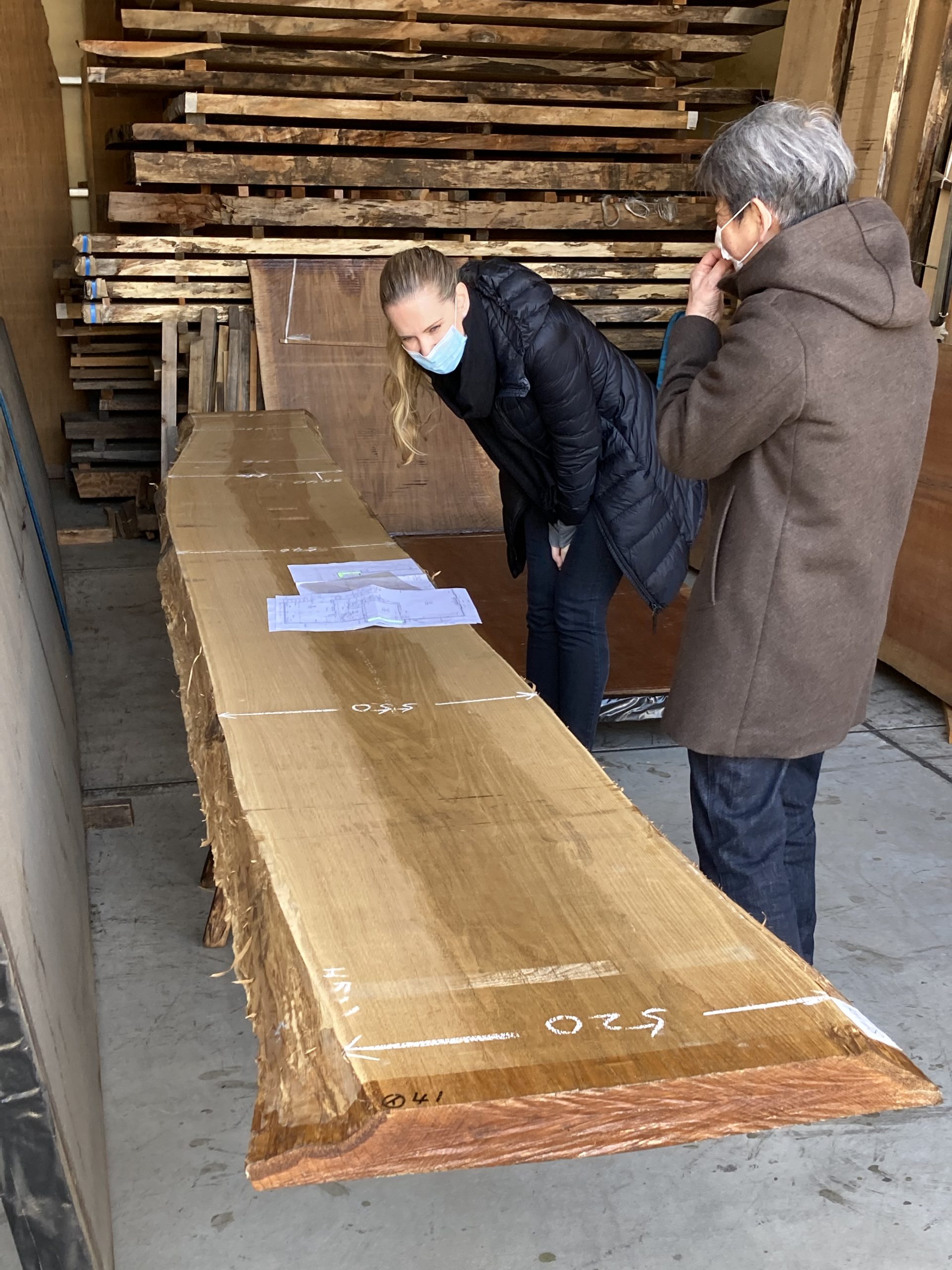
At Smith Realty, our journey has been shaped by recognizing and responding to unique opportunities. Seeking disparity in purchase and ...
Author : Mark Smith
SOFIEL III is an income-producing residential apartment building in Japan, developed for and operated by Smith Realty Japan investors. For ...
Author : Mark Smith