
Nushima: What Happened When I Went to Help and Ended Up Staying
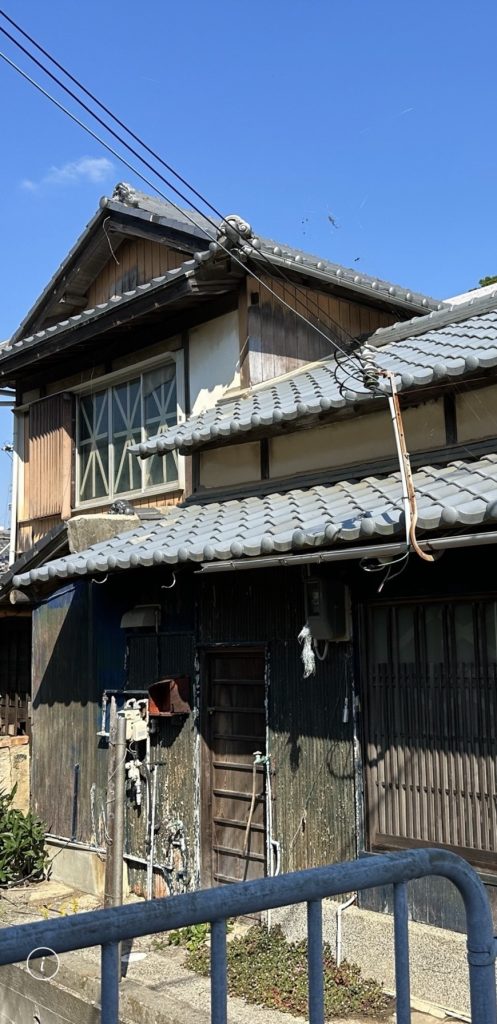
I did not go to Nushima looking for a property. I went to support two families with inherited buildings they did not want and could not maintain. Two kominka, both on a small island off the southern tip of Awajishima — ten minutes by ferry from Habu Terminal, a working fishing community of around 700 people. The owners were younger generation, city dwellers, no connection to the island, no capacity for buildings that had come to them through inheritance and represented nothing but obligation.
I went to help. What I did not expect was the island.
What Nushima Is
Nushima does not appear on most real estate searches. It does not appear on most tourist itineraries. It is a working island — fishing boats in the harbour, octopus pots being checked in the channel, nets being pulled in the early morning light. The population is around 700. The ferry from Habu Terminal takes ten minutes. In those ten minutes, watching the professional fishing boats work the waters of the Seto Inland Sea, something happens to the mind. The things that were pressing an hour ago — the emails, the decisions, the noise of the mainland — release. By the time Nushima comes into view, the reset is already complete.
I leave my day-to-day stresses back at the loading jetty. Ten minutes on the water creates a physical and mental shift that I have not found anywhere else.
The Two Buildings
Both kominka were inherited. Both owners were at the same point — unable to maintain what they had, unwilling to simply let it deteriorate, with no clear path forward. In a community of 700 people there is not enough local income or population to absorb properties that the next generation does not want. Without intervention, the trajectory is predictable: deferred maintenance, structural deterioration, eventual collapse. Buildings that had stood for a century heading toward nothing.
I bought both on the same day.
The intention on both was renovation — one for personal use, one to assess and decide. We began with the older of the two, a 100-year-old kominka positioned at the trailhead leading to Nushima’s famous coastal rock outcrop. Roof first — kawara tiles reseated on new clay base, structural timbers assessed, period-appropriate lumber sourced through the demolition network where replacement was needed. Exterior walls followed. By the time the envelope was complete — weathertight, structurally sound, restored to its original character — a client asked what we thought about kominka on Nushima.
We showed him both buildings. He saw the completed roof and walls on the first, understood what the restoration had achieved, and made an offer. We sat down and went through the numbers — acquisition, materials, contractor fees, completed work — and gave an honest assessment of what he would need to spend to complete the interior to his standard. He bought it on those numbers. That is how it should work: transparent costs, realistic future scope, no optimism that serves the vendor at the buyer’s expense. He is now fitting out the building as a bakery at the trailhead. The building that was heading toward collapse is becoming a reason to visit the island.
The One I Kept
The second kominka is mine. A harbour-front building overlooking Nushima’s working fishing harbour, small boats moored just metres from the door. I sleep here. I fish from the harbour and off the rocks and the local jetty. I walk the island trails — and Nushima, small as it is, offers hours of rambling without repetition. Coastal paths, forested interior, the rock outcrop that draws hikers from the mainland when they find out it exists.
The house is where I want it now. Not a project being managed from a distance — a place I use and return to. Harbour-front, working fishing community outside the window, the Seto Inland Sea visible from the rooms. When the professional fishing boats are working the channel in the early morning, pulling nets and checking the octopus pots, and you are sitting with a coffee watching it happen, the mainland does not feel like it exists.
This is what these buildings offer that no new-build can replicate. It is not sentiment. It is a genuine quality of life that is becoming increasingly rare and increasingly valued — and that cannot be constructed from scratch, because the character of the building and the character of the community are inseparable.
The Investment Question
I am occasionally asked what I paid and what I spent. The honest answer is that the total cost — acquisition and restoration to where the house is now — is roughly what a salaryman might spend on leisure in a year. Not a trivial amount. Not a figure that requires institutional capital or a life-changing commitment. The kind of money that, directed at the right building in the right place, buys something that cannot be found anywhere else.
Whether I would sell — that is a different question. I have not been asked yet in a way that made me think about it seriously. I am not marketing the building. I am using it.
What I can say is that the methodology behind the acquisition is repeatable. Nushima is one island. There are others. Japan’s akiya situation — inherited, unwanted properties with no clear path forward — produces this kind of opportunity in communities all over the country, particularly in island and coastal locations where the demographic pressure is most acute. The buildings exist. The owners exist. The gap between them is often just the presence of someone who knows what the building is worth, what it will cost to bring it to standard, and what it can become.
Kominka in Japan — structure, use, and continuity over time.
Subscribe to receive new articles from Smith Realty Japan.
What a Kominka Assessment Actually Involves
For anyone considering a similar acquisition — on Nushima or elsewhere — the assessment process is the same regardless of the island or the building.
Timber condition is the first question. White ant damage, water infiltration, rot in contact zones, subfloor deterioration. These are the variables that determine whether the structure is a renovation opportunity or a liability dressed as one. A building with sound structural timbers and a compromised envelope — roof, walls, openings — is a manageable project. A building with compromised structural timbers is a different calculation entirely.
Roof structure and tile integrity come next. Kawara tile roofs, properly maintained, last for generations. A roof that has been neglected — tiles shifted, bedding clay deteriorated, ridge work compromised — will have allowed water into the structure. The extent of that water damage determines the scope of everything below it.
Asbestos risk applies to any structure renovated or built between the 1950s and 1980s. This is not a theoretical risk on older kominka that have been modified over the decades. It is a checklist item before any structural work begins.
Access and logistics matter more on an island than anywhere else. Every trade, every materials delivery, every equipment movement has to be planned around what the water can carry and when. The passenger ferry handles smaller items. For the bulk of materials and equipment — structural timber, roofing materials, machinery — we use contract vessels. That is a cost and programme variable that needs to be understood and costed before any renovation budget is committed. On Nushima it is a reality we manage as part of every project. It is not a reason to avoid the island — it is a condition to price correctly at the outset.
Why This Matters Beyond Nushima
The Nushima experience shaped how we think about kominka acquisition generally. The entry point was defined by the building’s condition and the owner’s situation — not by a market that had priced in the potential. That is the opportunity that Japan’s akiya situation continues to produce, in islands and rural communities across the country, for buyers who are willing to assess honestly and commit to the work.
The buildings that are heading toward collapse are not doing so because they have no value. They are doing so because no one has stood in front of them with a clear eye, an honest cost model, and the network to bring the right people in to do the work properly.
That is the conversation we are equipped to have. If a kominka or heritage property in west Japan is the direction you are thinking, the starting point is an honest assessment — of the building, the location, and what it will actually take to bring it to where you want it to be.
Our Insights reflect how we think about investing in Japanese real estate — the questions we ask, the trends we watch, and the reasoning behind the decisions we make for our own portfolio. We share them in the hope they’re useful food for thought, but they are not advice — just one active investor’s view of the market.
More Articles
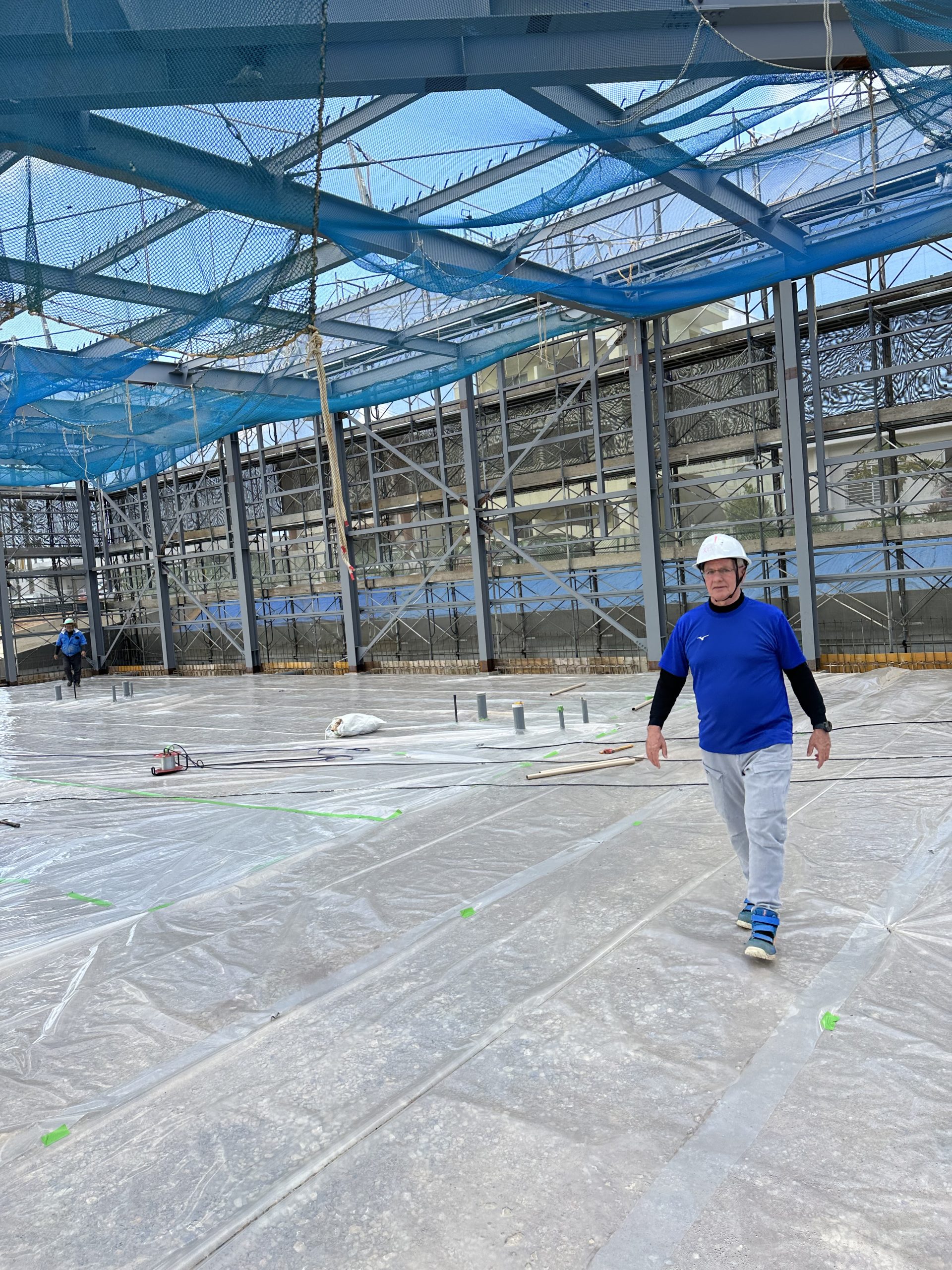
The question comes up regularly. Why Japan? Why not somewhere with stronger capital growth prospects, a more liquid exit market, ...
Author : Mark Smith
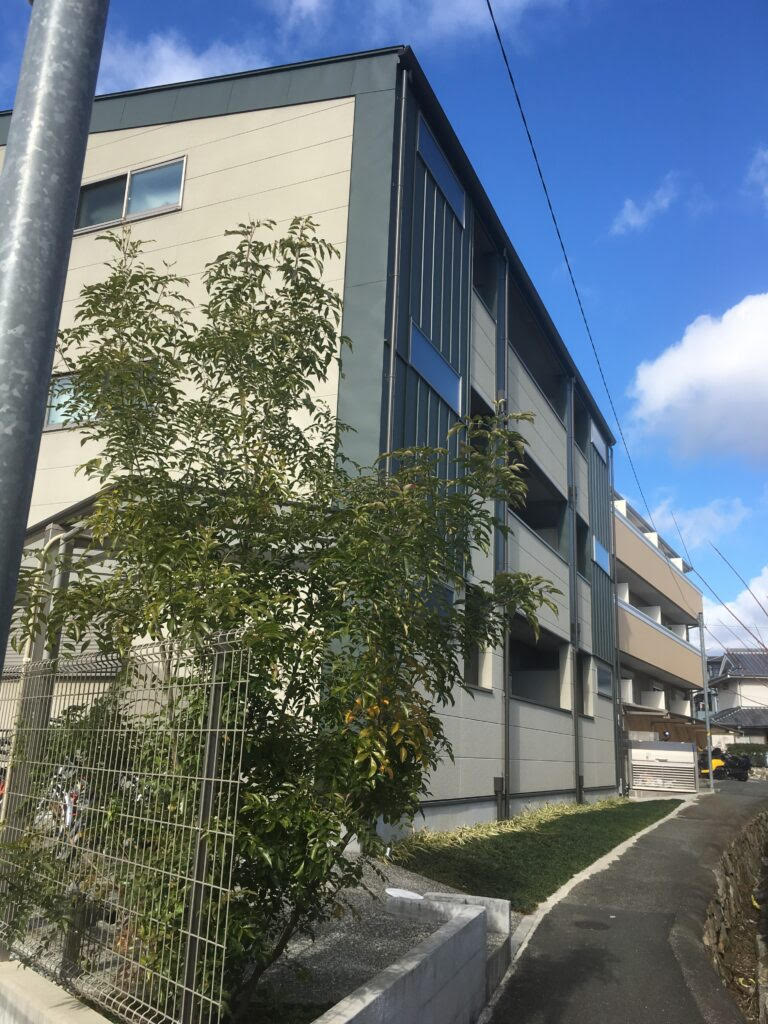
SOFIEL III is an income-producing residential apartment building in Japan, developed for and operated by Smith Realty Japan investors. For ...
Author : Mark Smith
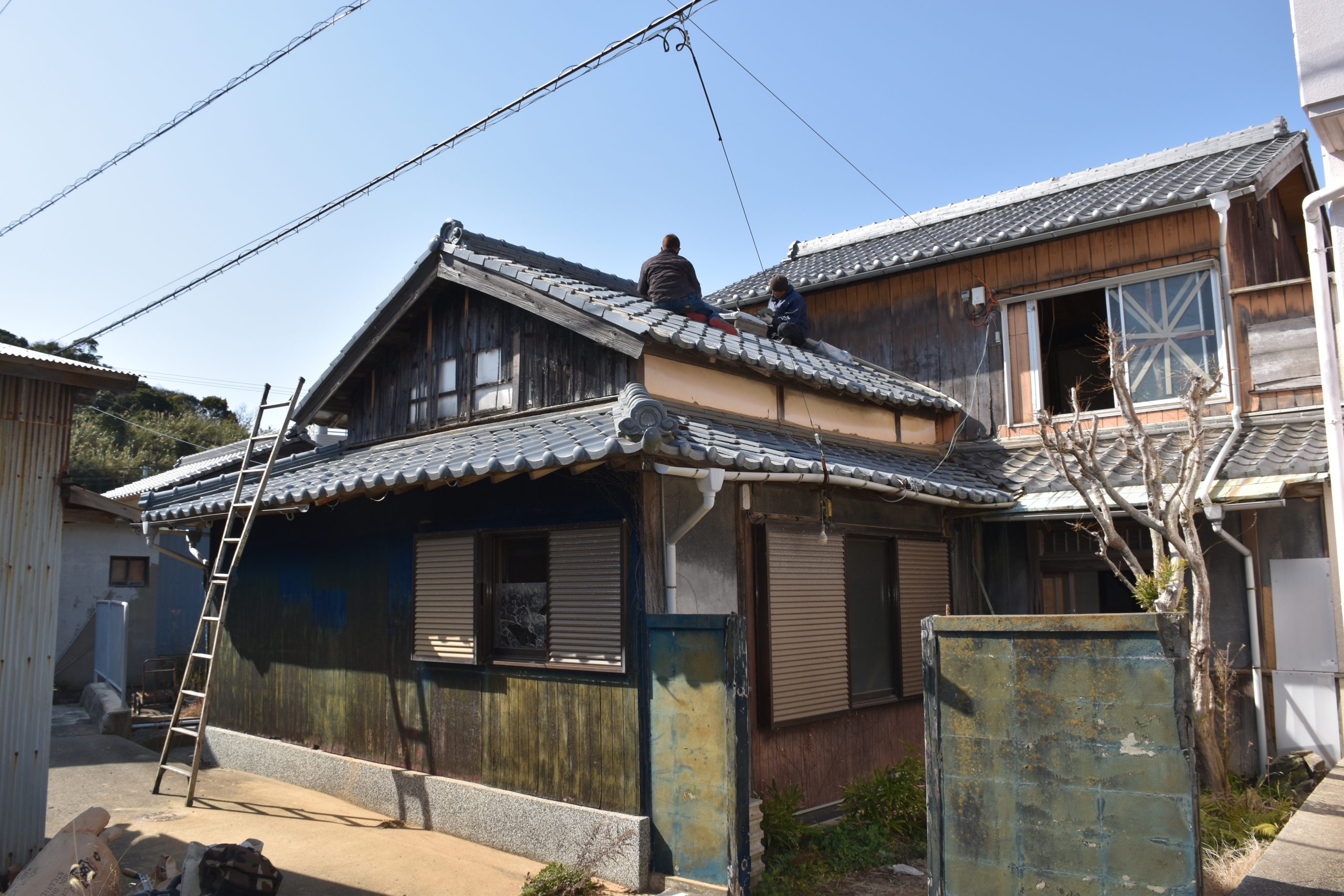
If you’re intrigued by the idea of owning or restoring a minka, make sure to work with experts who can ...
Author : Mark Smith
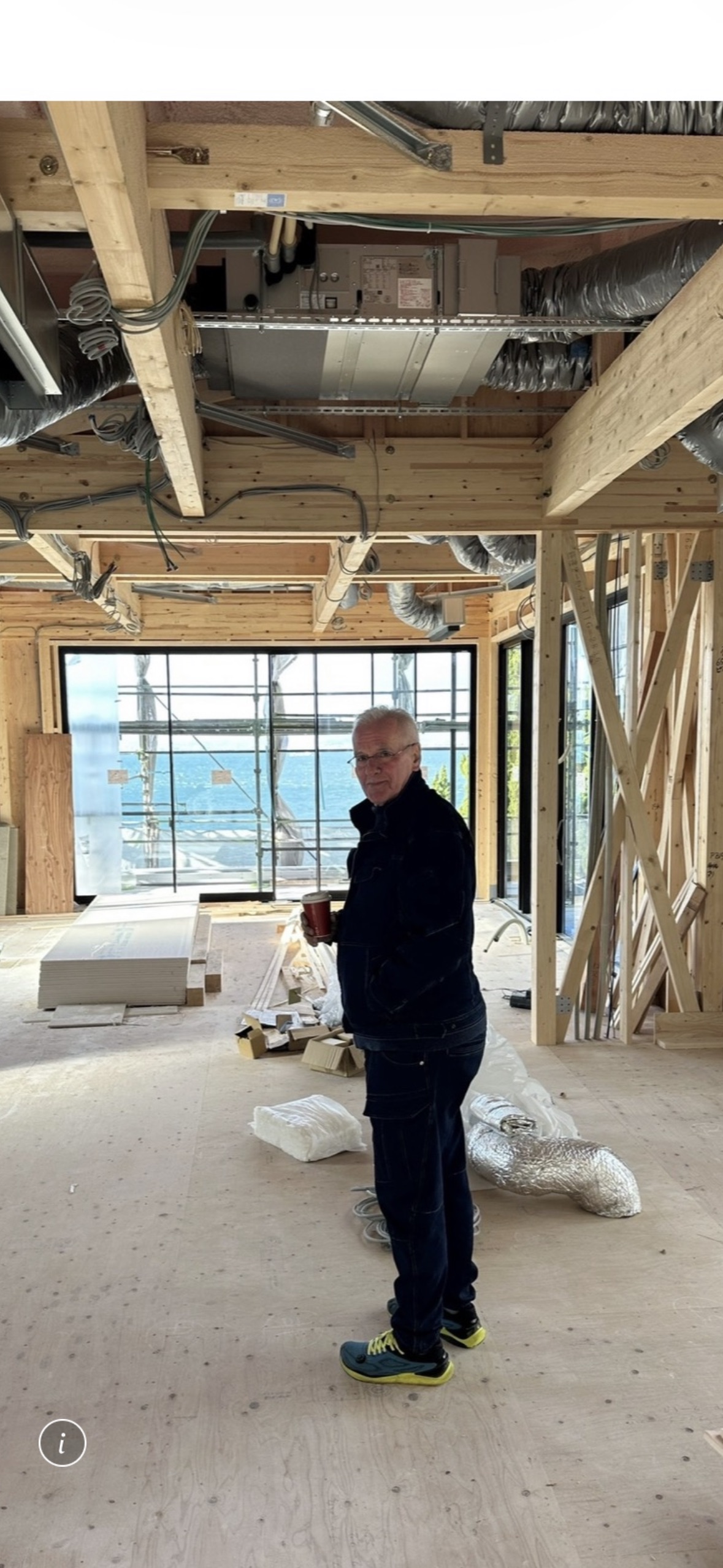
Why investor-led buy-and-build-for-rent has narrowed in Japan, land prices up, construction cost increases, yield compression, and what is replacing it. ...
Author : Mark Smith
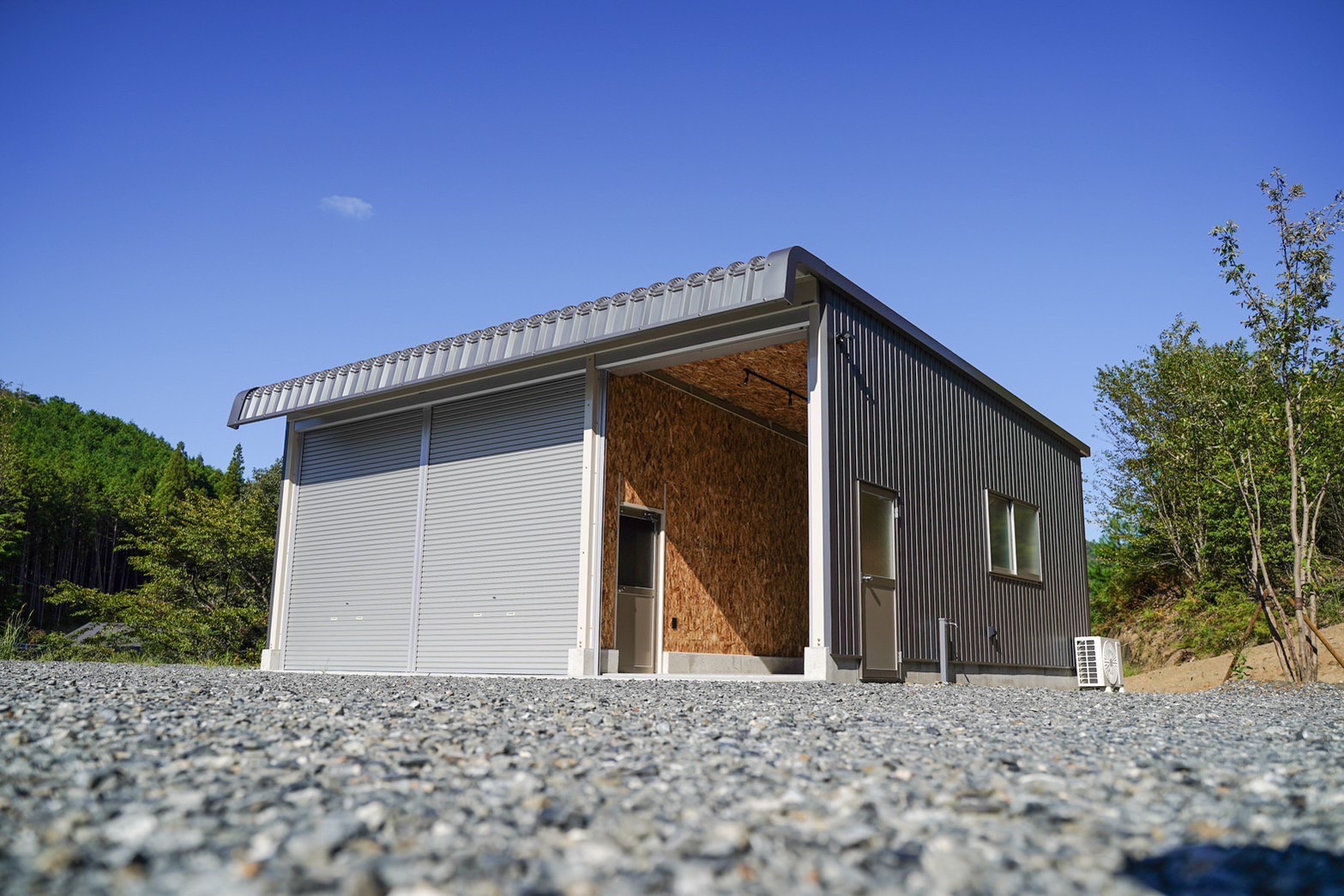
At Smith&Co, we regularly work with two leading Japanese warehouse manufacturers, Kakuichi and Inaba. Based on decades of real estate ...
Author : Mark Smith
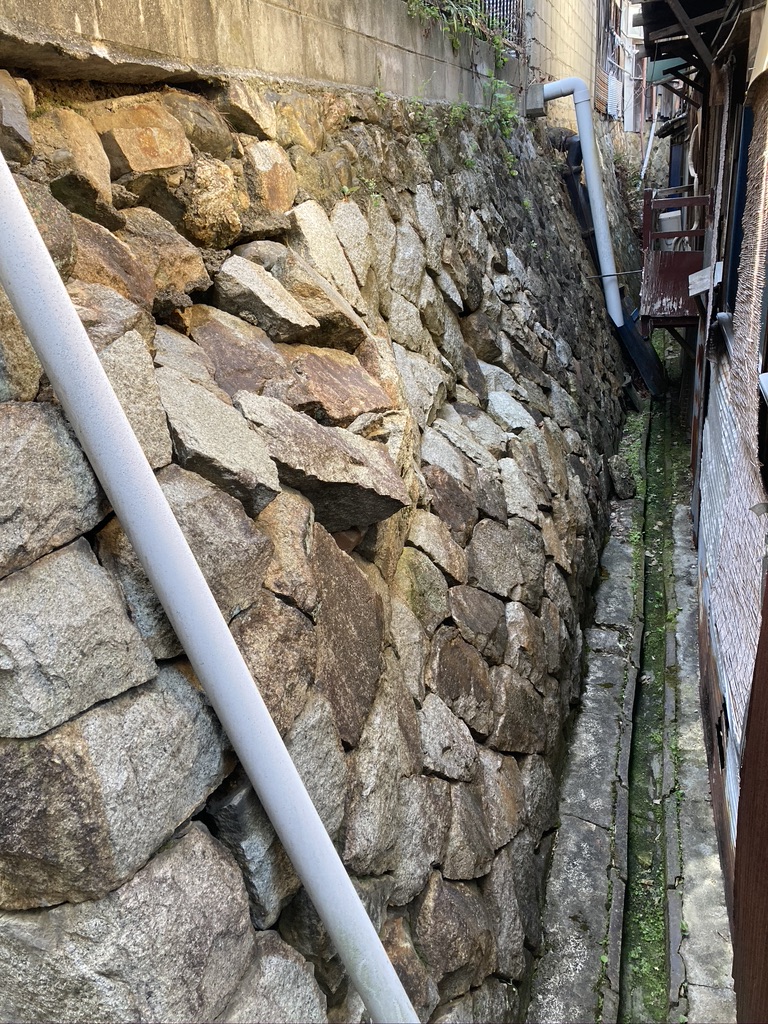
Most Japan real estate developers confronting this assessment would immediately withdraw. Moreover the technical complexity, liability exposure, and cost uncertainty ...
Author : Mark Smith