Across the internet today, you’ll see the words Kominka, Minka, and Akiya used everywhere — from travel blogs and YouTube videos to real-estate listings and architectural sites. Yet despite their popularity, these terms are often confused or used interchangeably.
At Smith Realty Japan, we believe it’s time to clarify them. Each word has its own meaning, history, and implications — especially for anyone buying, restoring, or appreciating traditional Japanese property.
Minka (民家) — The Traditional Japanese Folk House
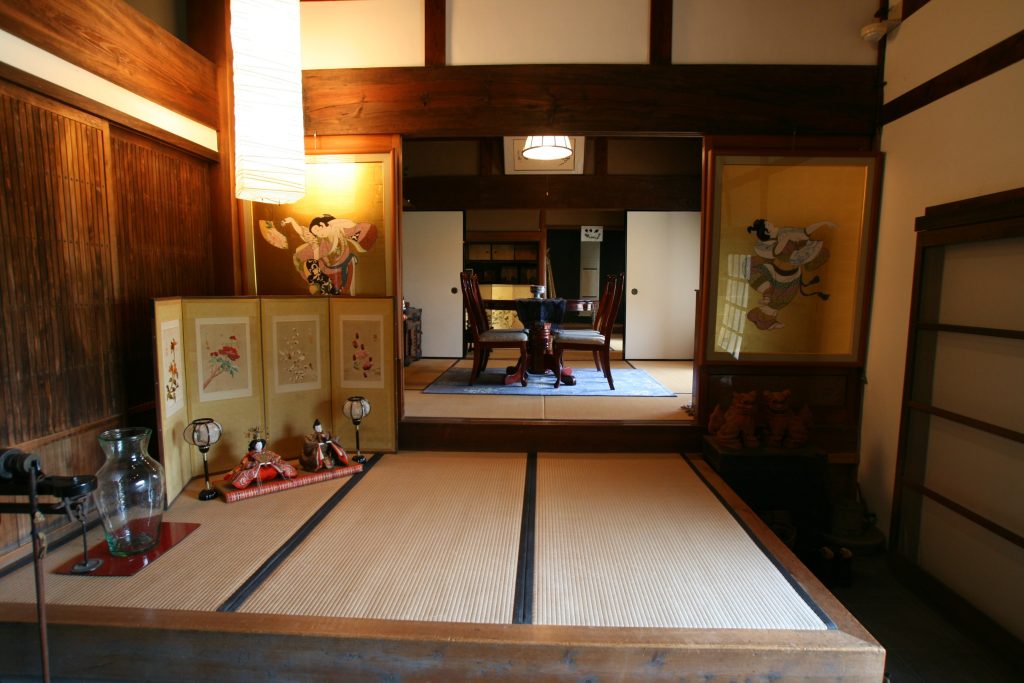
Minka literally means “people’s house” or “folk dwelling.”
It refers to all traditional Japanese houses built for ordinary citizens — farmers, merchants, fishermen, and craftsmen — before Western-style homes became widespread in the 20th century.
Minka vary dramatically by region because they were built with local materials and adapted to local climate:
In snowy Gifu, Gassho-zukuri Minka have steep thatched roofs.
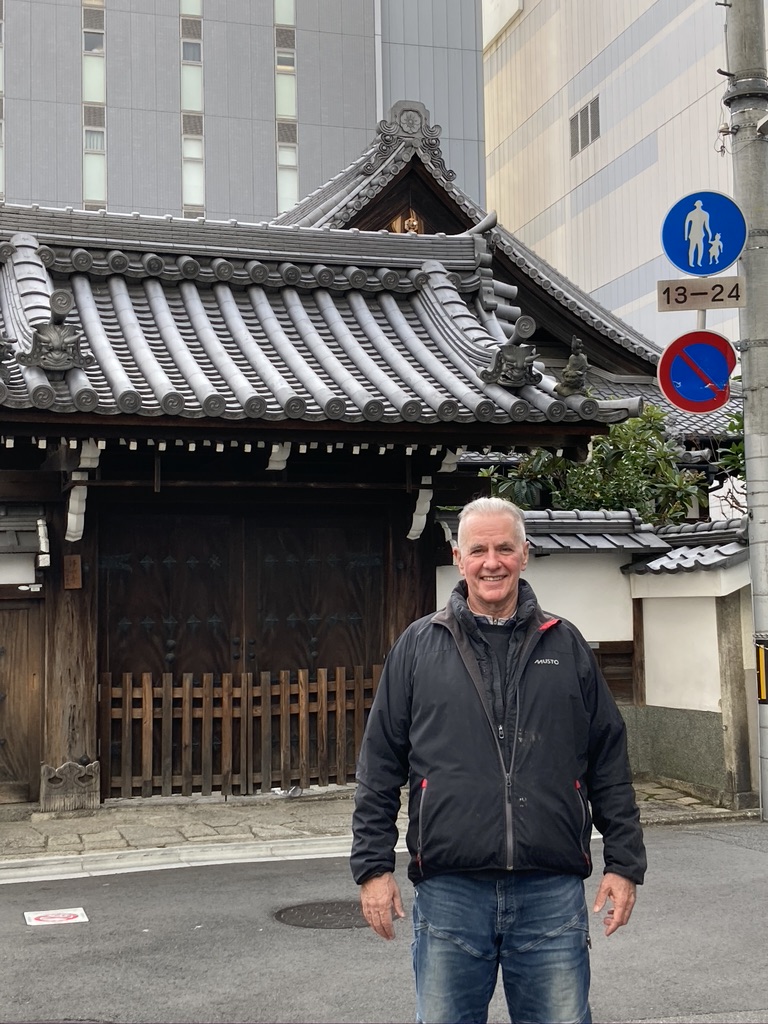
In Kyoto, Machiya Minka are long, narrow urban townhouses.
Along the coast, fishermen’s Minka emphasize airflow and open layouts.
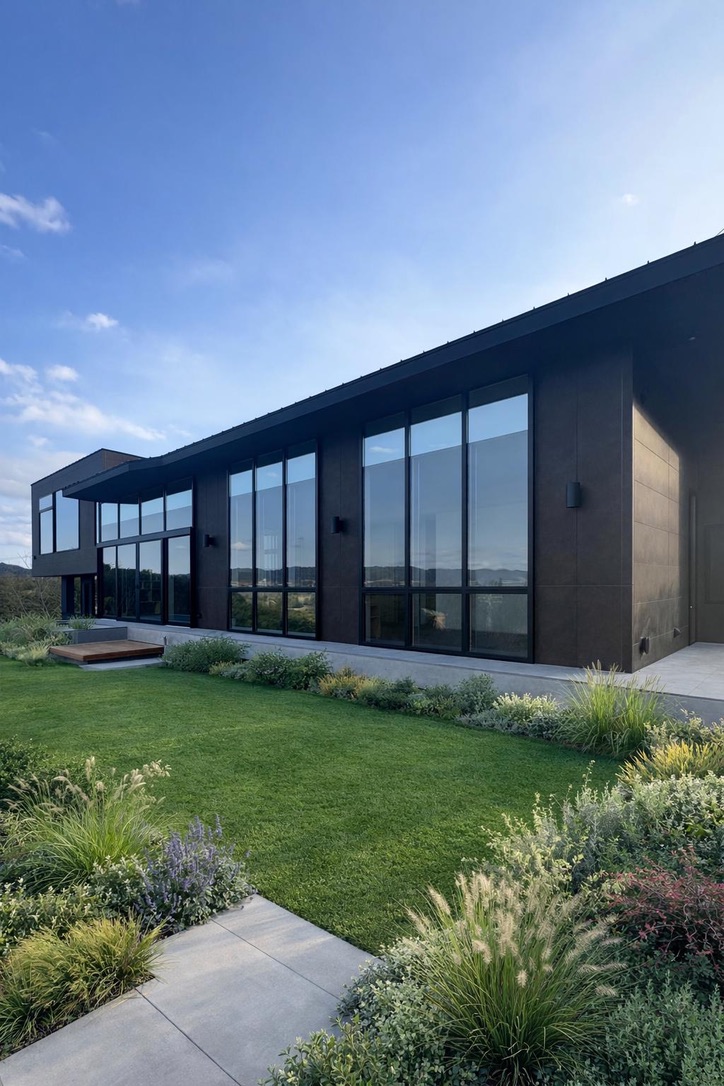
A Minka is defined by style and construction, not age. Even a newly built home can be Minka-style if it follows traditional forms.
In short:
Minka = traditional Japanese folk house, regardless of age.
Kominka (古民家) — The Old, Often Historic Minka
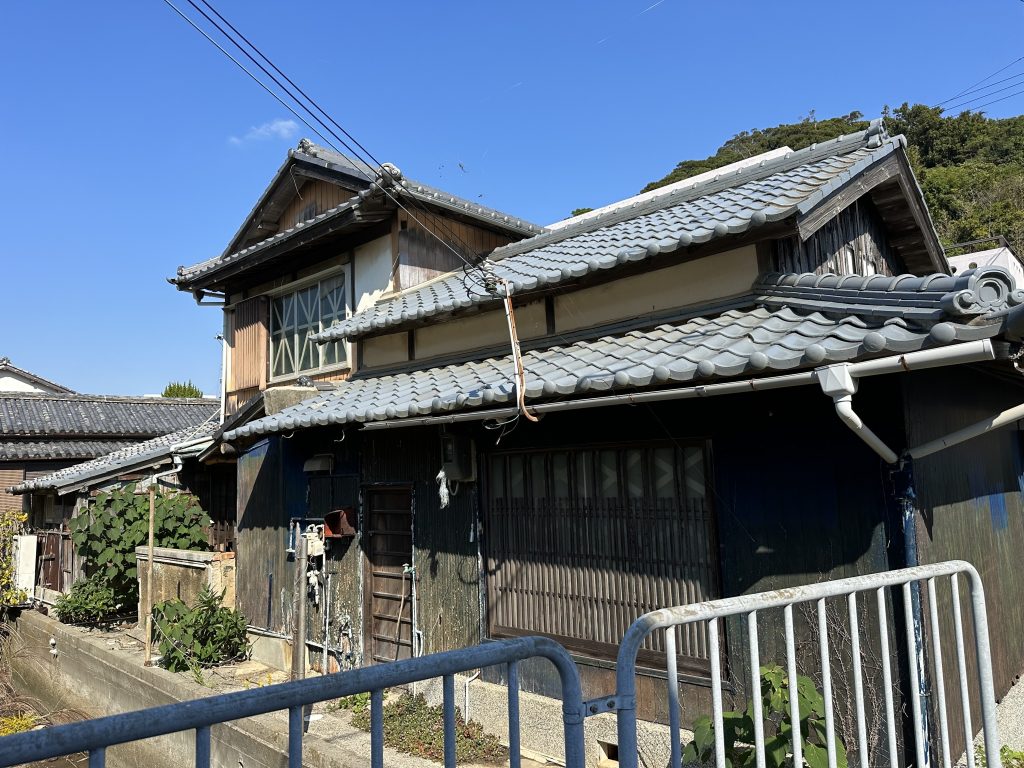
Kominka means “old folk house.”
While ko (古) simply means old, the term refers specifically to pre-war, hand-built, traditionally constructed homes — usually 50–100+ years old.
Kominka typically feature:
Heavy timber framing
Clay walls (tsuchi-kabe)
Complex joinery assembled without metal nails
Deep eaves and craftsmanship reflecting local climate and culture
Quality ranged widely:
Wealthy owners used keyaki beams, high ceilings, and decorative woodwork.
Working-class Kominka used simpler framing and materials.
In short:
Kominka = an old, usually pre-war, traditional Japanese house — a historic Minka.
Akiya (空き家) — The Empty or Unused House
Akiya (空き家) is not an architectural category.
It is a real-estate classification meaning “empty house” or “vacant home.”
An Akiya can be:
Traditional or modern
Wooden or concrete
In excellent condition or badly neglected
The word describes only vacancy, not age, style, craftsmanship, or historical significance.
In short:
Akiya = any unoccupied property, regardless of style or age.
Understanding the Overlap
Here’s where confusion happens:
An empty Kominka is both a Kominka and an Akiya.
A new traditional-style house is Minka, but not Kominka.
A 1990s empty house is Akiya only.
They describe different aspects of a property:
Minka → architecture
Kominka → age + traditional craftsmanship
Akiya → occupancy status
Not All Kominka Are Created Equal
It’s easy to romanticize Kominka, especially from overseas.
But Kominka range from:
Grand, historic houses with exceptional carpentry
To modest rural dwellings built for practicality, not aesthetics
Both are authentic, yet:
Structural integrity varies
Costs vary
Long-term potential varies
Some become luxury villas; others become simple private retreats. Knowing the difference is crucial.
Our Experience with Kominka.
Because this is not theoretical for us.
Smith Realty Japan was established in 1989, and has been building here since 1996. Over decades, we have:
Walked through hundreds of Minka and Kominka
Negotiated land and building approvals
Worked directly with Japanese carpenters and reform crews
Renovated Kominka on Awaji Island
Managed earthworks and landscape design
For us, these definitions come from hands-on experience. When we say Kominka, we mean it in the precise, traditional sense.
Why These Definitions Matter Today
Japan has more than nine million Akiya, and global interest in Kominka has never been higher.
Using the terms correctly matters because it:
Shows cultural understanding
Prevents misunderstandings
Improves communication between buyers, agents, and builders
Supports preservation of Japan’s architectural heritage
Clarity helps everyone make better decisions — and protects the value of true Kominka.
Summary Table
| Term | Meaning | Age / Type | Notes |
|---|---|---|---|
| Minka (民家) | Traditional Japanese folk house | Any age | Built for common people; varies by region. |
| Kominka (古民家) | Old folk house | Usually pre-war | Hand-crafted; historically valuable. |
| Akiya (空き家) | Empty / unused house | Any age or style | Simply unoccupied; not necessarily abandoned. |
Final Thoughts
When browsing Japanese listings or planning a restoration:
A Kominka is living history.
A Minka is traditional design and craftsmanship.
An Akiya is a vacant home waiting to be reimagined.
At Smith Realty Japan, we bring three decades of direct experience to every Kominka assessment and restoration project.