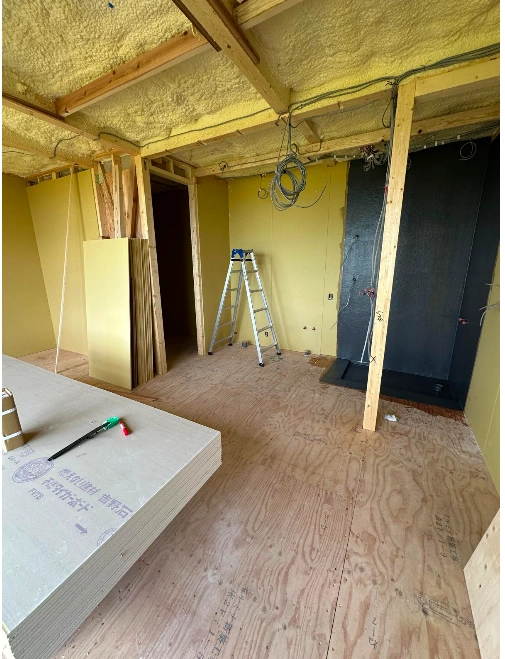
Field notes on the Tsuruoka Miyazawa property : an active 2026 consulting case.
A client asked me to review a rural property. I have withheld the address and listing details as the property was on the market at the time this was written. What follows is the assessment summary I sent them. I’ll look at this the only way I can and ask, how I would approach it myself, standing in Japan and working through these projects in real conditions, not from how they are usually presented.
1. Start With the Site, Not the Listing
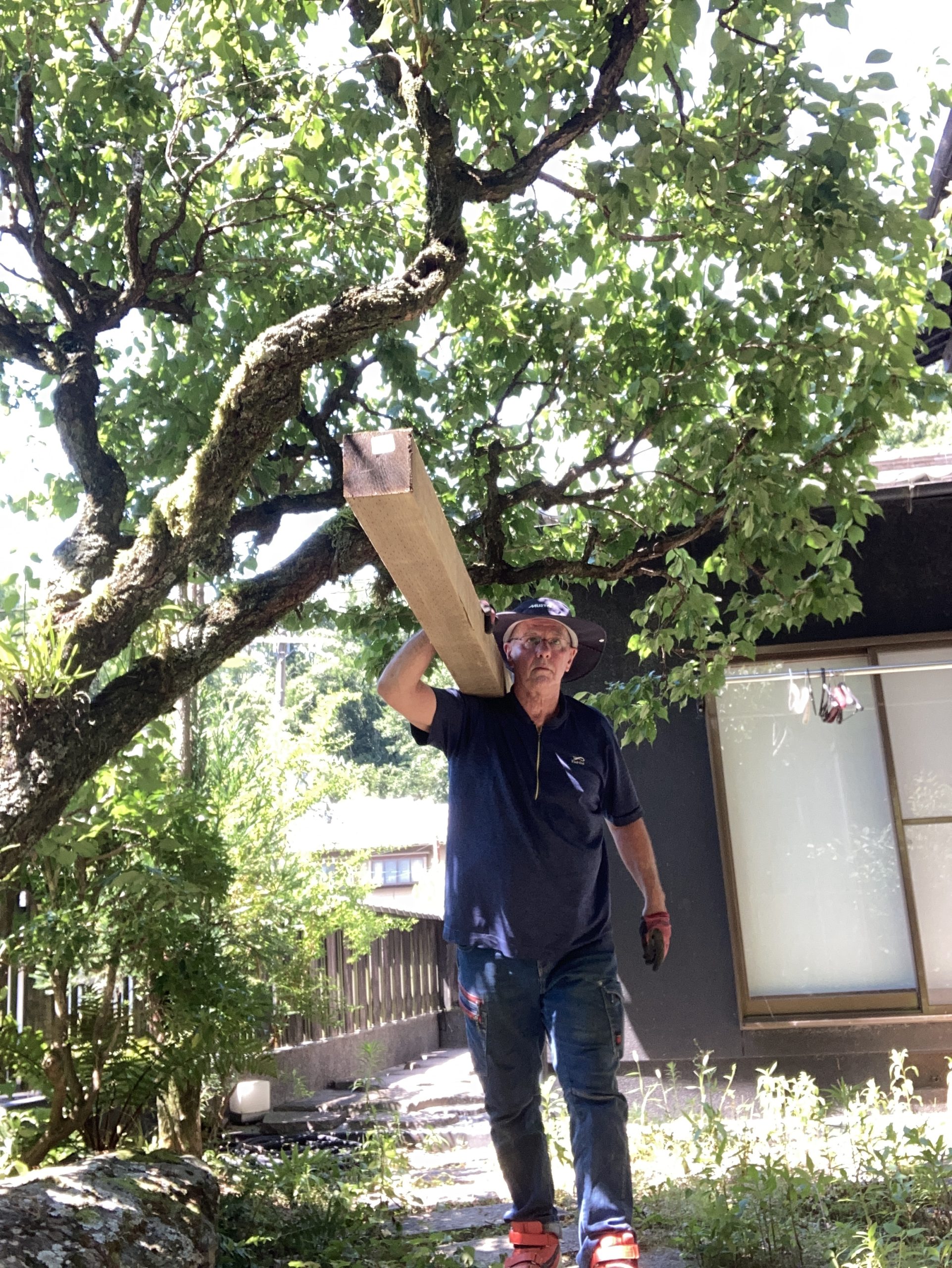
The assessment starts on the ground, not on a screen. A site visit resolves most of the uncertainty that listings, photographs, and agent descriptions cannot. Standing at the property, walking the access route, going through the structure slowly, the roofline, the walls, the ground, how the building sits in its surroundings as this is where the real picture forms. In one visit, most of the uncertainty disappears. Before that visit, everything is assumption.
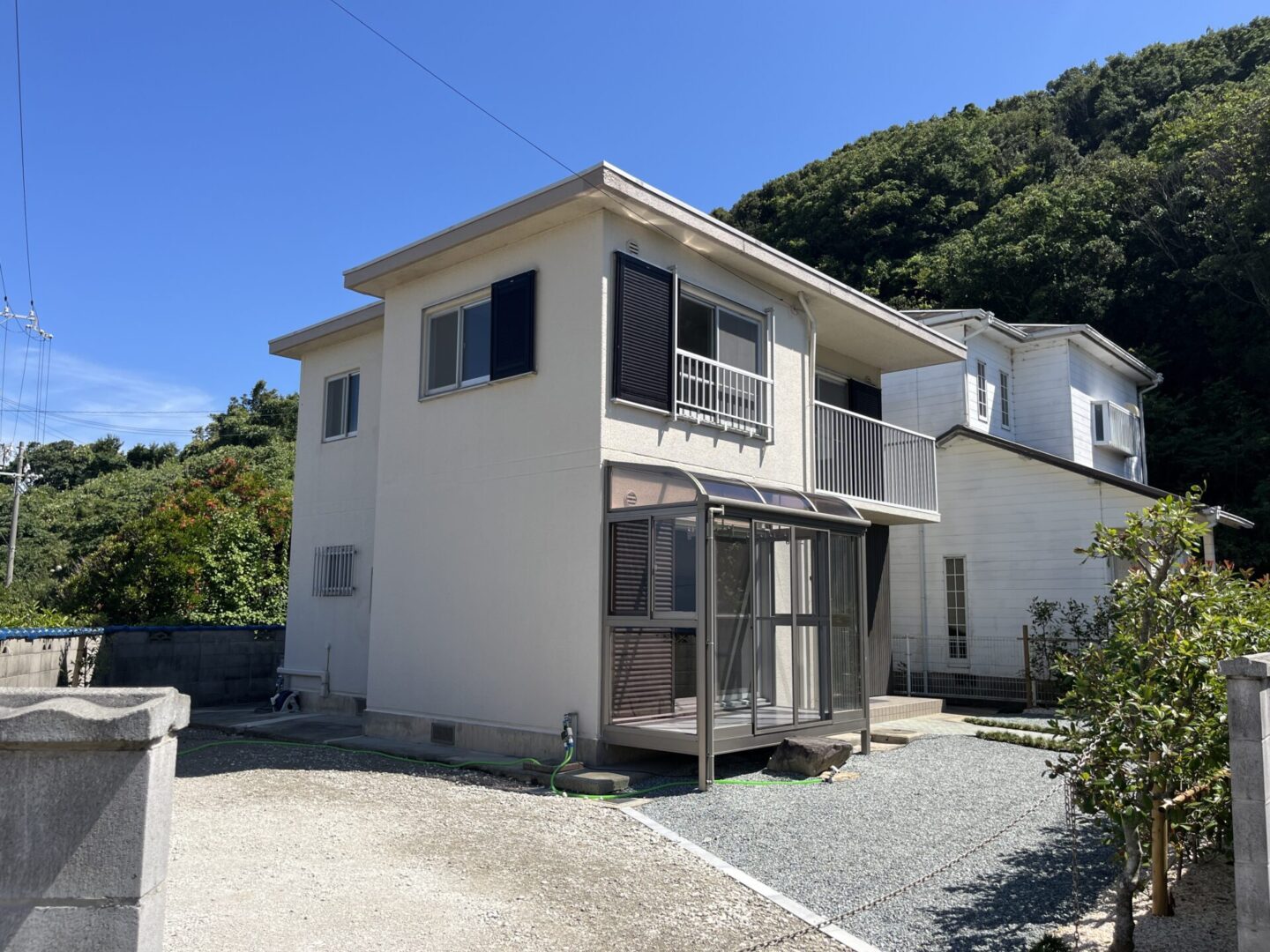
The question I ask is not whether the numbers work. The first question is simpler: can I make this usable, simply and cheaply, for myself? If the answer is yes, it has value. If the answer is no, I move on. At ¥680,000, this is not a house in the normal sense. It is a location with a structure attached. The moment you treat it as a finished home, you see only problems. The moment you treat it as something to work with, you are looking at it correctly.
2. Access Defines the Job
Before I concern myself with the building, I need to understand how I operate on the site. Where does the road end, and what happens from that point to the house?
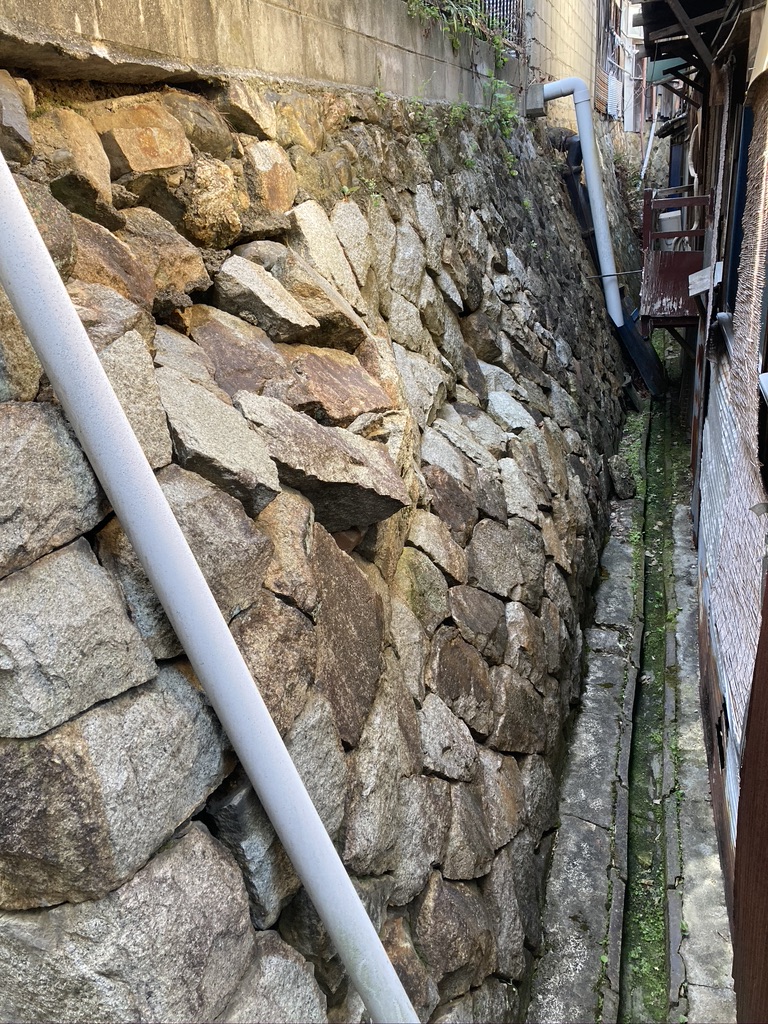
Sometimes it’s a short flat walk and the job is almost normal. Sometimes it’s a narrow path, which slows everything down. Sometimes there are steps, where every piece of material is lifted, placed, and lifted again. Sometimes it’s a slope, where movement becomes controlled and slower. And sometimes, not this property, the job starts with a ferry. At that point you are not renovating a house, you are running logistics. I’ve done that level of work. Everything goes in by boat, everything comes out by boat, there is no dump run, and every piece of waste has to be carried out, loaded, and transported back. Compared to that, most difficult sites are still workable.
Access doesn’t stop the job. It defines the cost, the time, and the effort. If this is foot access only, that can be done, I’ve done it myself but I am managing labour, not efficiency. If I can get a kei truck close, the job improves significantly. Materials come in on a larger truck as far as possible, are unloaded, split, and transferred to a kei truck, which runs back and forward. That is how rural Japan actually works.
3. Renovation or Rebuild: Decide Early
I separate renovation and rebuild immediately, because the legal and practical implications are completely different.
If I am renovating, I am working with what exists and that does not require a legally recognised road. If I am rebuilding, I need a recognised road and frontage. Without that, I am outside the normal path. My approach is straightforward: if there’s no road, I don’t plan to rebuild; I renovate. This is not a compromise. For most properties at this price point in rural Japan, renovation is the correct framework regardless of road status.
4. Assume the Structure Needs Work
At this price level, I assume the structure needs attention. The roof will need work. There may be water ingress. Timber condition will be mixed. Services will be old. I am not buying a finished house. I am buying something I may be able to work with.
That assumption is not pessimism. It is the correct starting position. Going in with that expectation means nothing surprises you on site, and nothing is missed in the cost range. Going in expecting a sound structure is how budgets collapse.
5. The Order of Work Is Fixed
Once I decide to proceed, the sequence of work does not change. I start from the outside.
The roof comes first, because water must be controlled before anything else matters. Then the exterior walls, to stabilise and protect the structure. Then the windows, to properly close the building. Only after that do I move inside.
There is no logic in doing it any other way. Money spent internally before the building is weather-tight is exposed. The roof is not the interesting part of a renovation. It is the first part, and it is non-negotiable.
6. Infrastructure: The Costs That Don’t Appear in Listings

Water, waste, and power sit quietly, but they need to be understood early. Water may be mains or a well. Waste is often septic. Power is usually present but may need upgrading. None of these stop a project, but they can change the cost materially.
On a recent renovation I worked on, the existing water supply was not usable for a modern house. Pressure and volume were insufficient, so the only solution was to connect to the municipal supply. That required trenching approximately 275 metres to bring a new line to the property. The trench passed through a narrow public walkway, which meant permissions had to be negotiated before work could begin. That process took time, the work took time, and the cost for that connection alone came to around ¥3,000,000.
This is the type of cost that does not appear in a listing. It sits inside the reality of the project, invisible until you look for it. Looking for it early is the job.
7. Working With a Cost Range
I don’t calculate an exact budget at this stage. I work with a range, and that range is defined by the level of finish you are targeting and the complexity of the access.
¥3 million to ¥5 million gives a basic functional result, assuming no optimisation and not pricing my own time. ¥5 million to ¥8 million brings it to a more comfortable level. ¥8 million to ¥12 million and above is where you are doing heavier internal work and finishing to a higher standard.
Access shifts all of these figures. Foot access increases labour throughout. Kei access keeps costs manageable. More complex logistics such as slopes, steps or remote sites push costs further. The purchase price is not the decision. The total cost to usability is the decision.
8. Where These Projects Go Wrong
Where these projects go wrong is not the property. It is the approach.
People try to turn it into something it is not. They overbuild, overfinish, and chase an idea instead of working with reality. They see the potential and immediately begin designing a renovation that the site cannot support at a sensible cost. The budget disappears not because the project was impossible, but because the brief was wrong from the start.
My approach is simple. Make it dry. Make it structurally sound. Make it usable. Then stop. What you have at that point is a functional asset that has cost a known amount to reach a known condition. Everything after that is optionality.
9. After One Visit, I Know
After one site visit, the decision becomes straightforward. If access is workable and the structure is still there, the question is not whether it can be done, it most commonly can be done, the question is simply: do I want to take this on?
This type of property sits outside the standard market. It is not clean, not scalable, and does not fit into typical investment frameworks. But for someone operating in this space with the right experience and the right approach, that is not a problem. It is the point.
The assessment comes first. Everything else follows from that.
Our Insights reflect how we think about investing in Japanese real estate, the questions we ask, the trends we watch, and the reasoning behind the decisions we make for our own portfolio. We share them in the hope they’re useful food for thought, but they are not advice, just one active investor’s view of the market.
Mark Smith MBA LS | Consultant, Japanese Real Estate