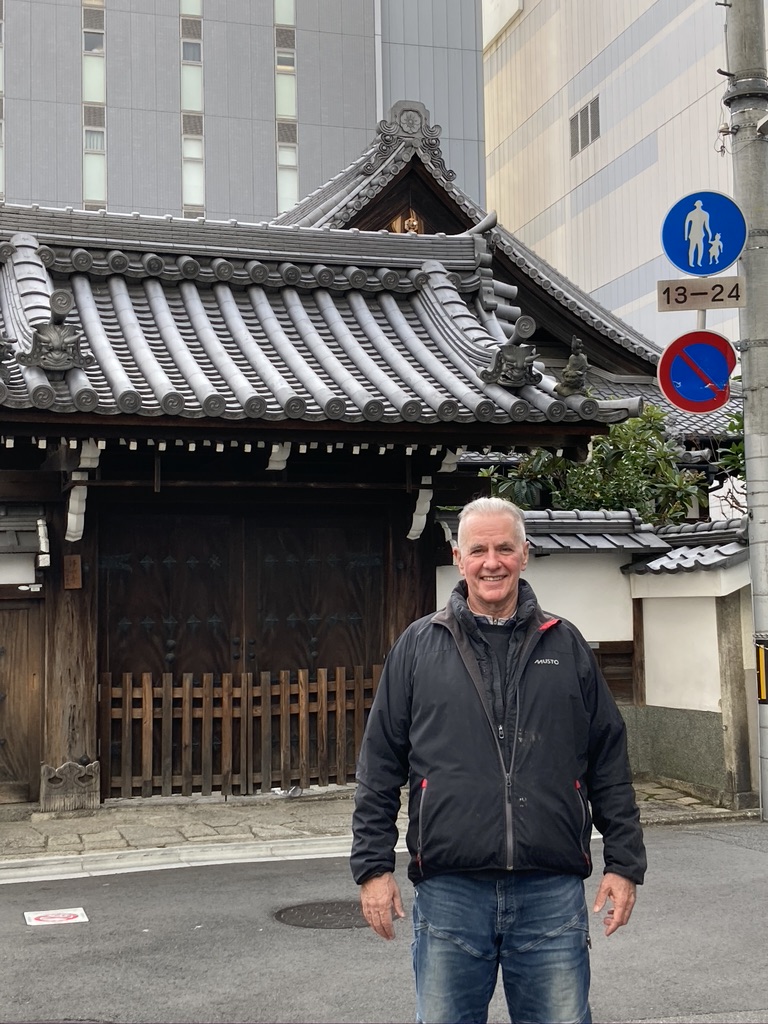
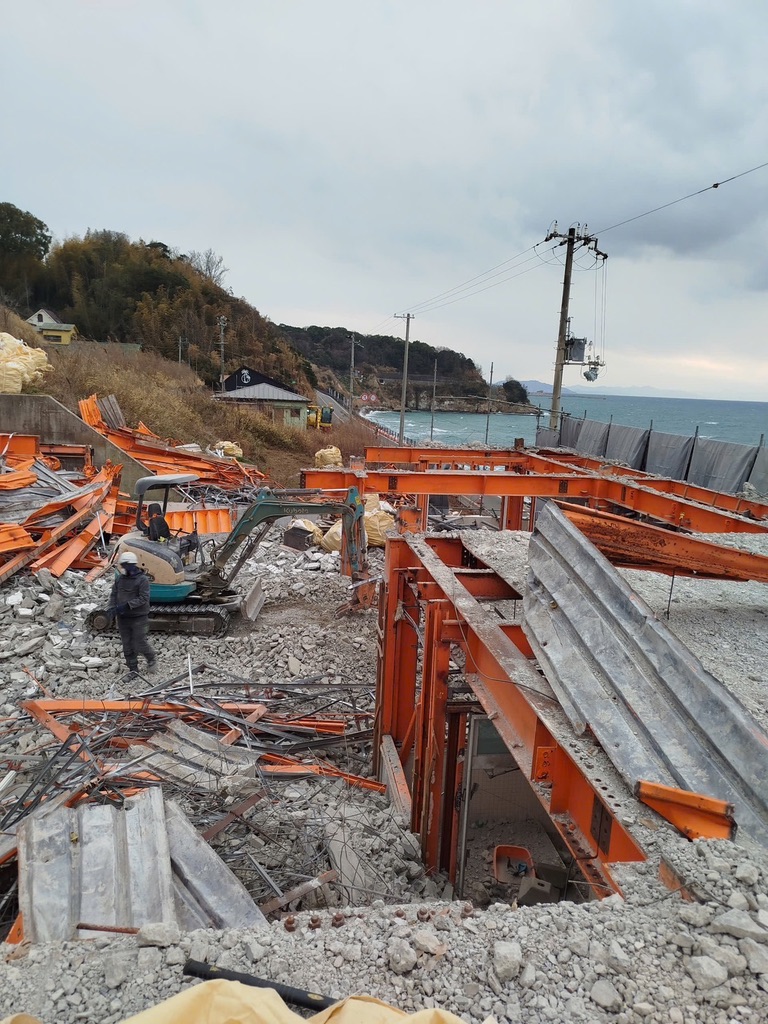
Japanese sustainable Minka architecture seamlessly blends traditional craftsmanship with modern eco-friendly practices. Once considered relics of the past, these historic timber homes are now celebrated for their environmental benefits and cultural heritage.
A Personal Journey and Ecological Awakening
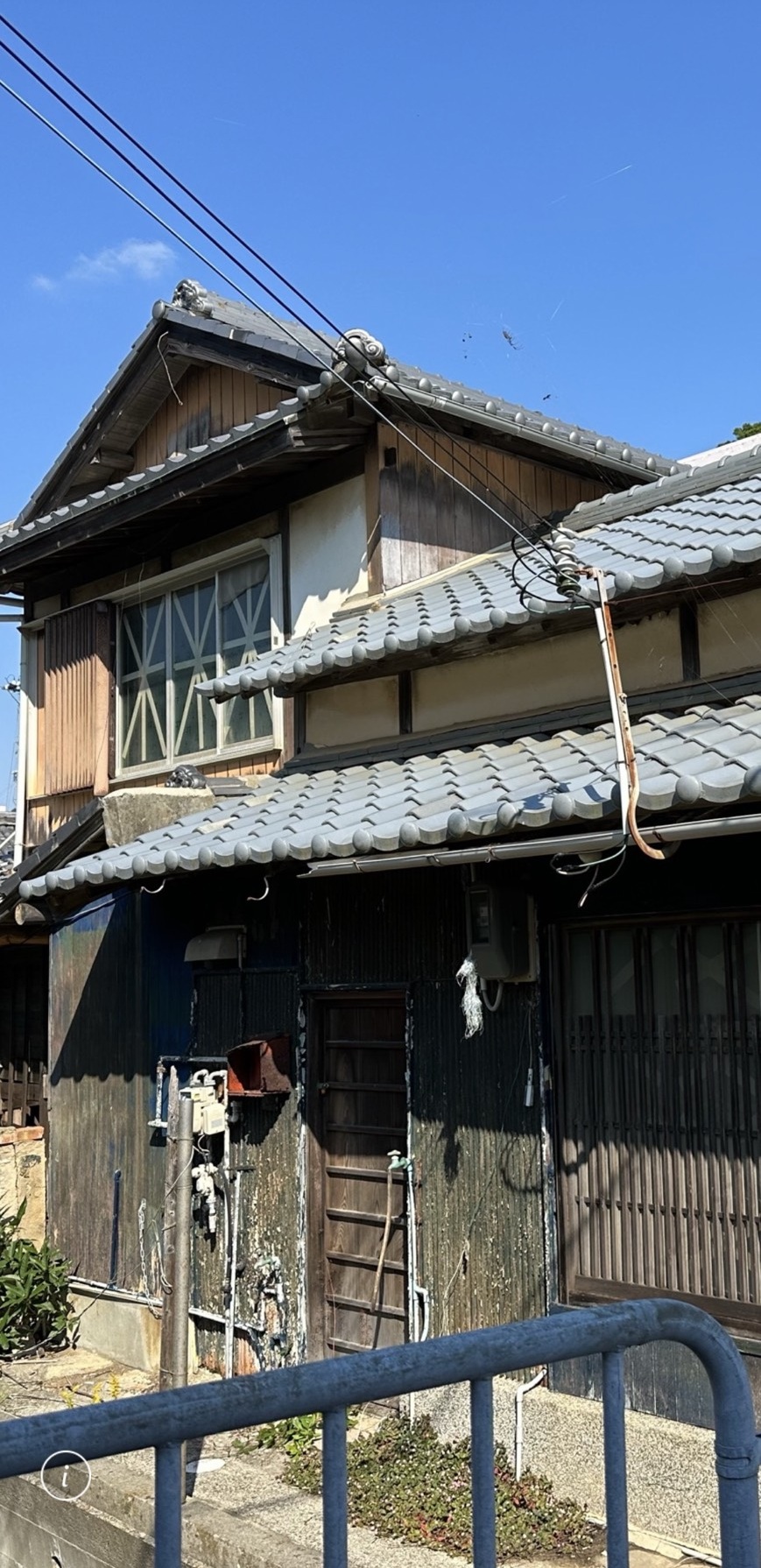
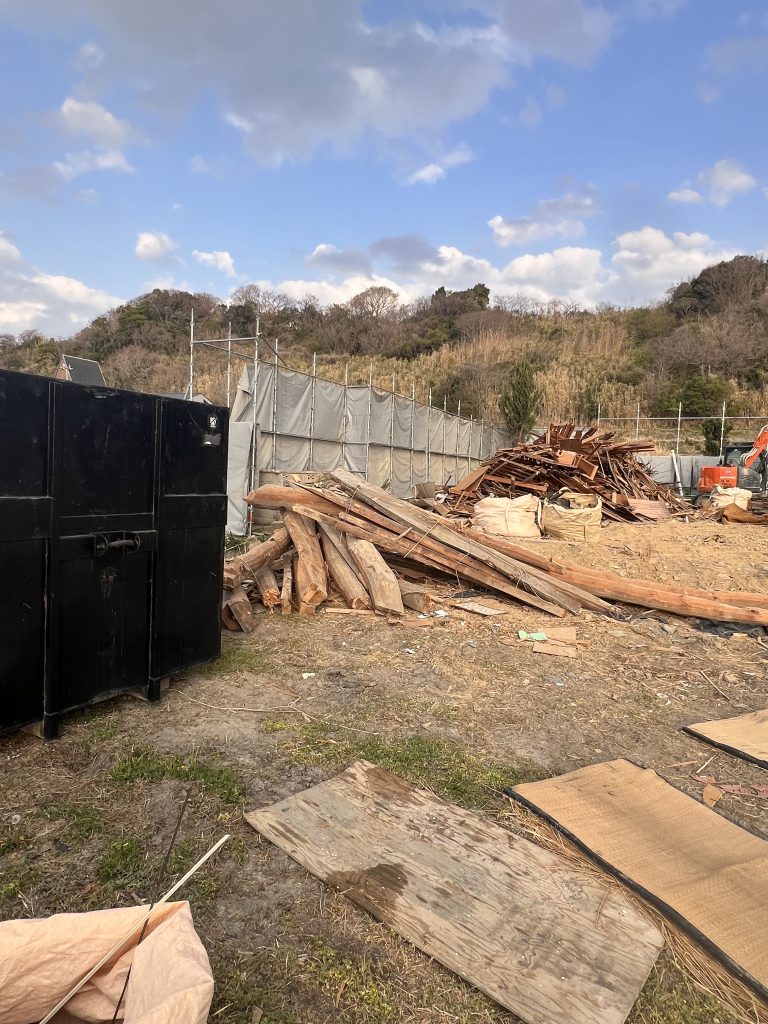 When I first arrived in Japan from Australia in 1989, I often saw truckloads of neatly cut timber—clearly salvaged from demolished homes—on their way to incineration plants. I was stunned to learn that these trucks were carrying valuable old-growth timber destined for burning or pulping.
As an ecologist, this practice was deeply disheartening. It was difficult to understand how a country as developed as Japan could overlook the cultural and environmental value embedded in its rich timber heritage.
The Challenges of Demolishing Traditional Minka
The more I explored the issue, the clearer the challenges became:
Demolition vs. Salvage:
Demolishing a Minka without plans for material reuse is fast and cost-efficient—heavy machinery can quickly reduce the structure to rubble. In contrast, salvaging and preserving ancient timber requires careful planning, time, and skilled craftsmanship, which drives up costs.Transportation and Storage:
Incineration plants are scattered throughout Japan, making disposal cheap and convenient. Conversely, finding facilities to store and protect reclaimed Minka timber is challenging and comes with ongoing expenses.Architectural Integration:
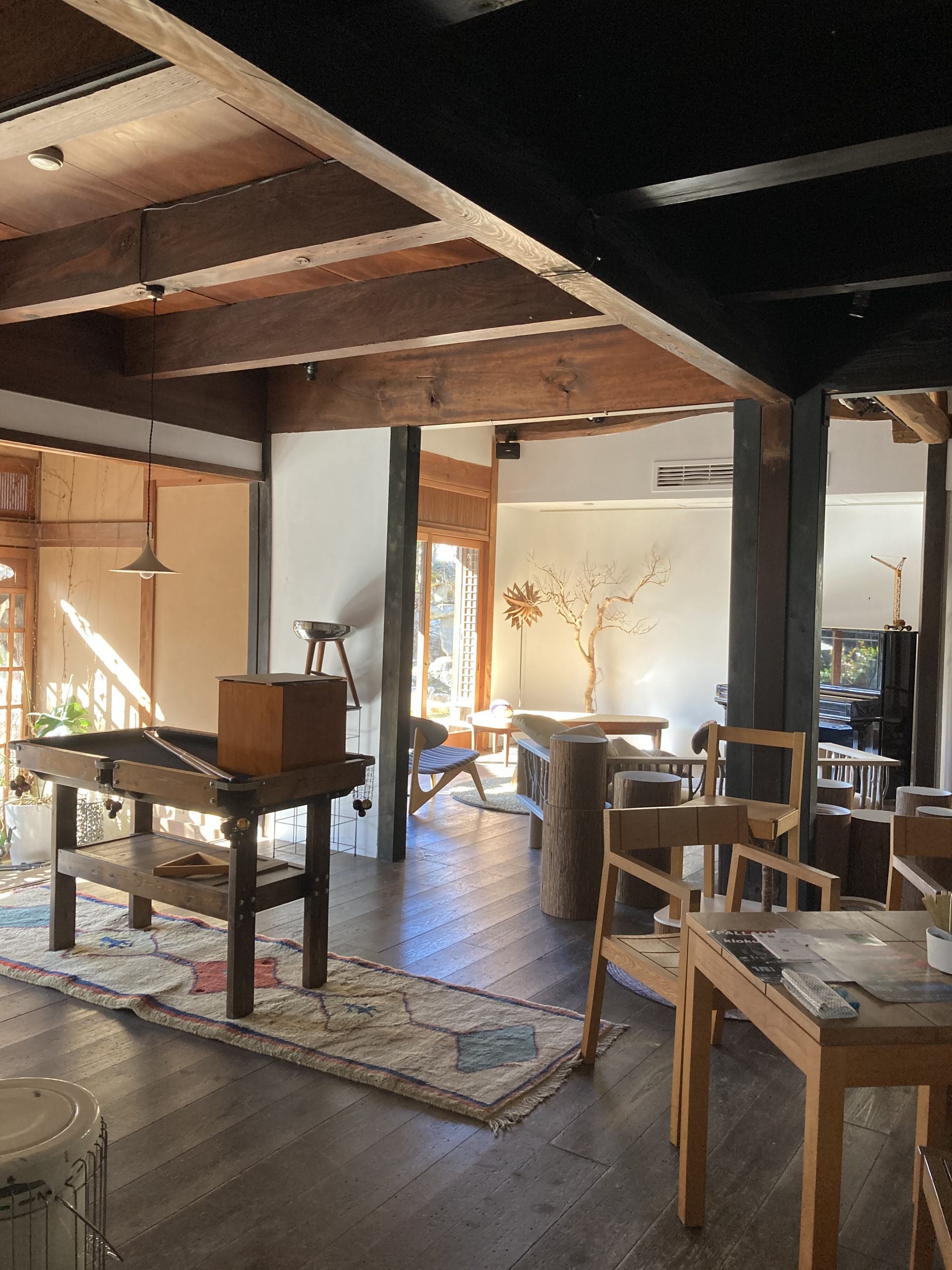
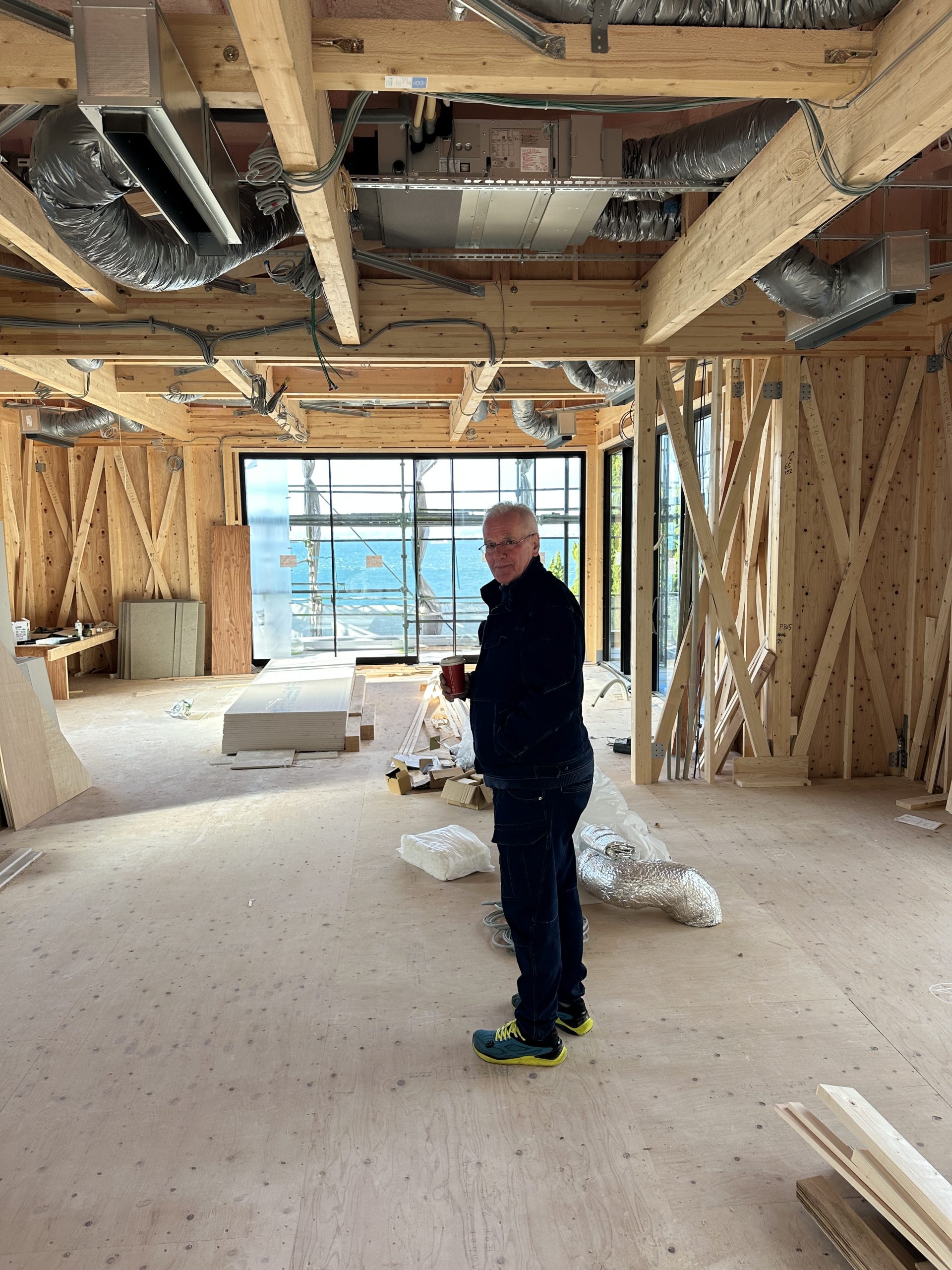
For years, few architects considered repurposing these beautiful, historic materials in modern homes. Fortunately, that trend is changing. Today, a growing number of architects are integrating Minka beams and pillars into contemporary designs, celebrating both heritage and sustainable Minka architecture.
Bridging Sustainability and Business Acumen
This evolution in thinking resonates deeply with the purpose behind my MBA LS—Master of Business Administration in Leadership and Sustainability. The program bridges traditional business acumen with environmental insight, based on the belief that sustainable practices represent opportunities for innovation and profit rather than cost centers.
It is a pleasure to witness—and be a part of—this shift, especially when demolition teams prioritize the thoughtful reuse of historic Minka timber.
The Foundation of Sustainable Minka Architecture: Timbers of Tradition
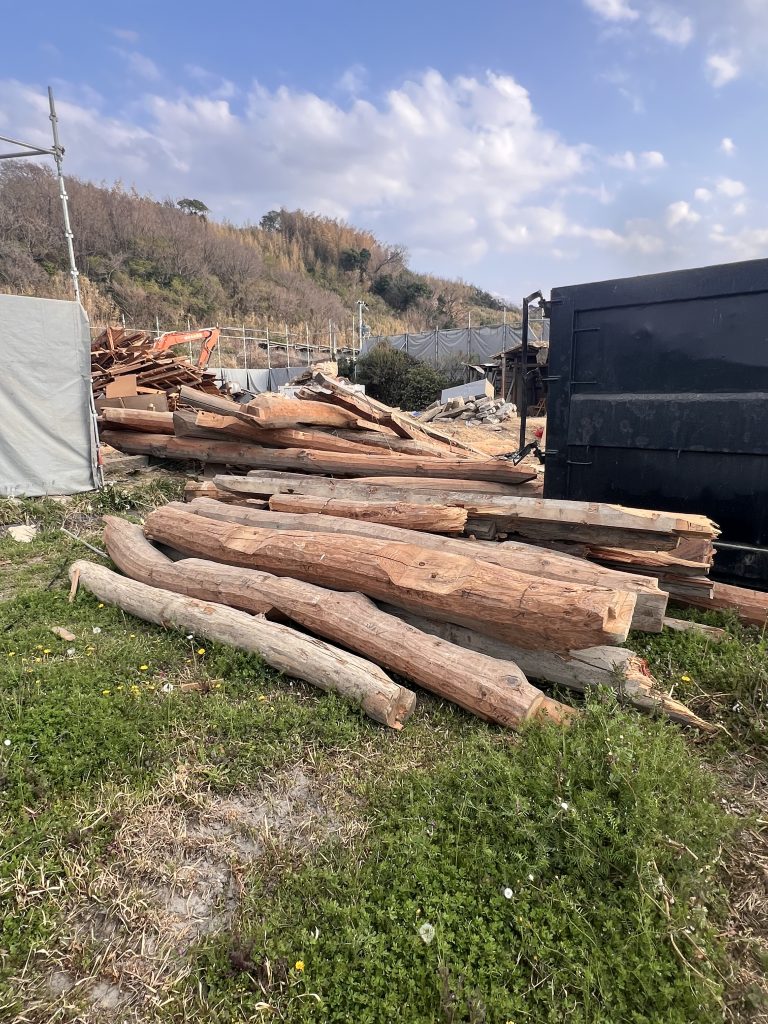 Traditional Minka homes were built with great respect for natural materials, and timber selection was always intentional. The most commonly used woods included:
Japanese Cedar (Sugi):
Characteristics: Lightweight and straight-grained.
Uses: Framing, interior paneling, and roofing.
Benefits: Its resistance to decay made it an ideal structural material across many regions.
Hinoki Cypress:
Characteristics: Durable with a refined grain and a delicate aroma.
Uses: Reserved for key structural elements and high-status features.
Benefits: Its natural resistance to rot and inherent elegance made it a favorite in temples and upscale residences.
Pine (Matsu):
Characteristics: Known for strength and availability.
Uses: Widely employed for beams and posts.
Benefits: Its character-rich grain and resilience in various climates made it a reliable workhorse of traditional construction.
These timbers not only endure over time—they evolve, gaining character from each passing year and the craftsmanship behind their use. This is why reclaimed Minka wood is so prized today: it carries history, not just material value.
Preserving Heritage Through Sustainable Minka Architecture
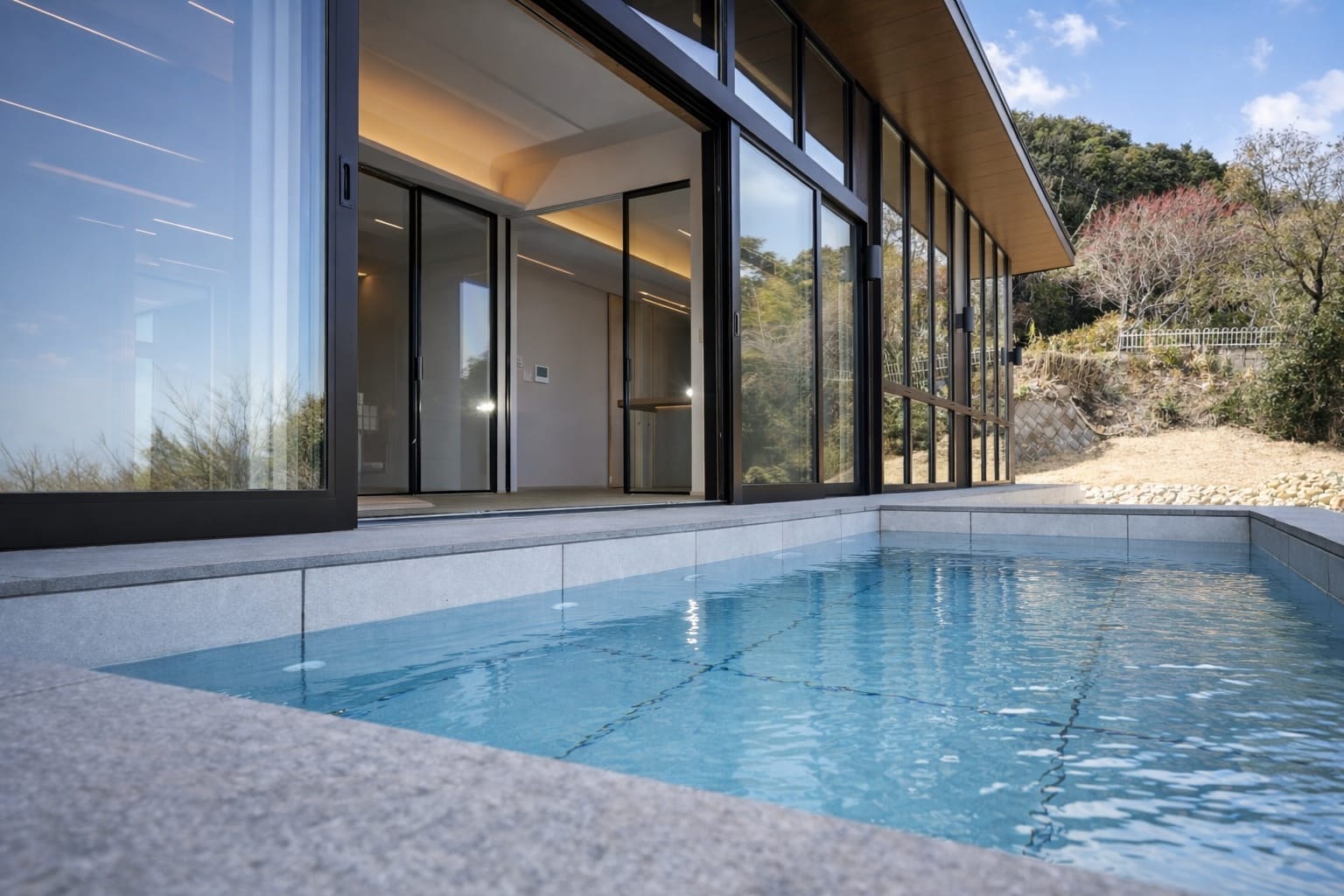
At Smith&Co., we take pride in advising clients who value sustainability, heritage, and smart business practices. Whether you’re restoring a traditional home or building something entirely new, we understand the significance of working with time-honored materials like Japanese cedar (sugi), hinoki cypress, and pine. These woods are celebrated for their strength, beauty, and deep connection to place.
By blending these natural assets with modern sustainable practices,we guide clients through the assessment, acquisition, and restoration process.—with care, clarity, and respect for both the environment and your investment.