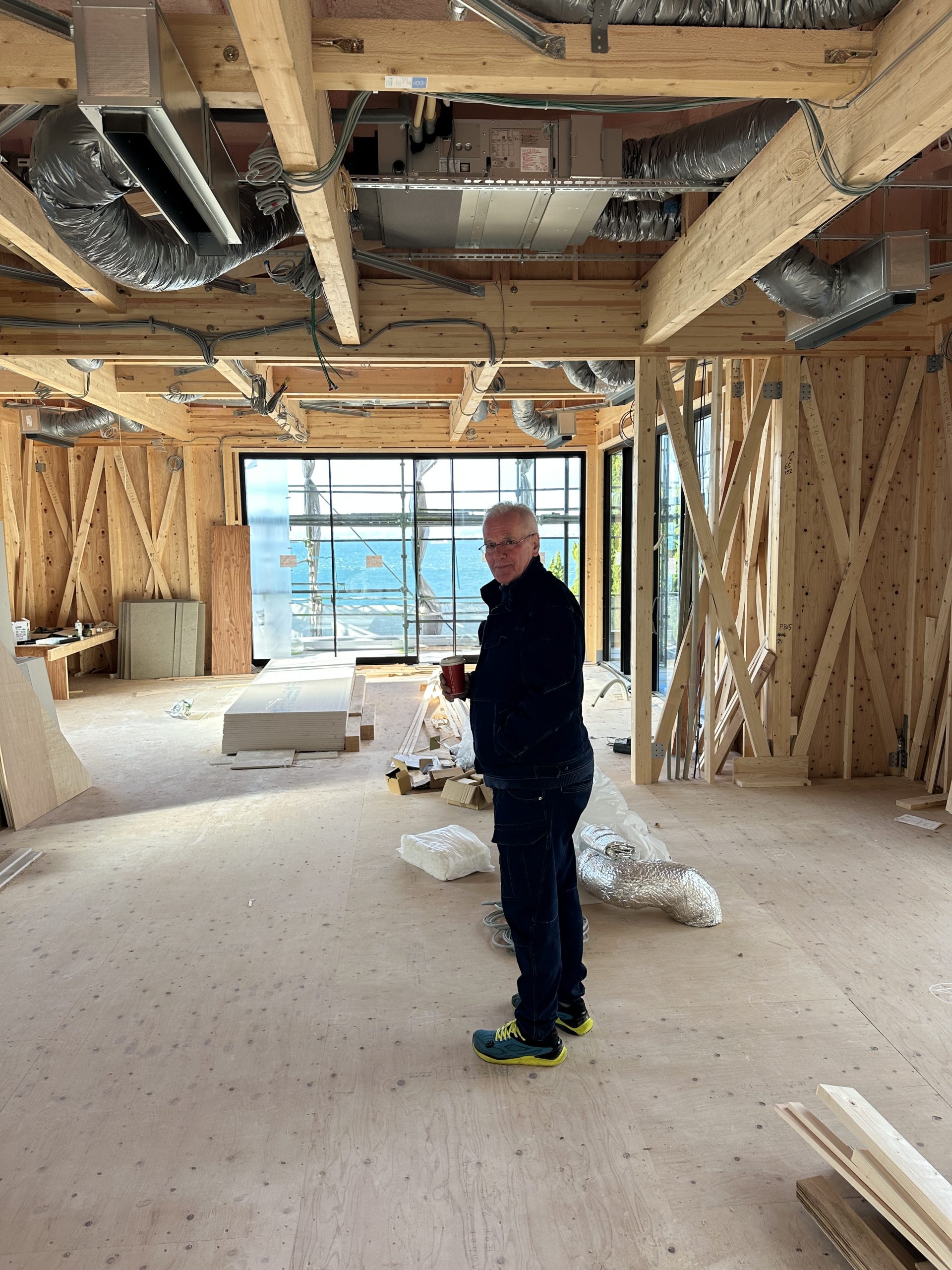
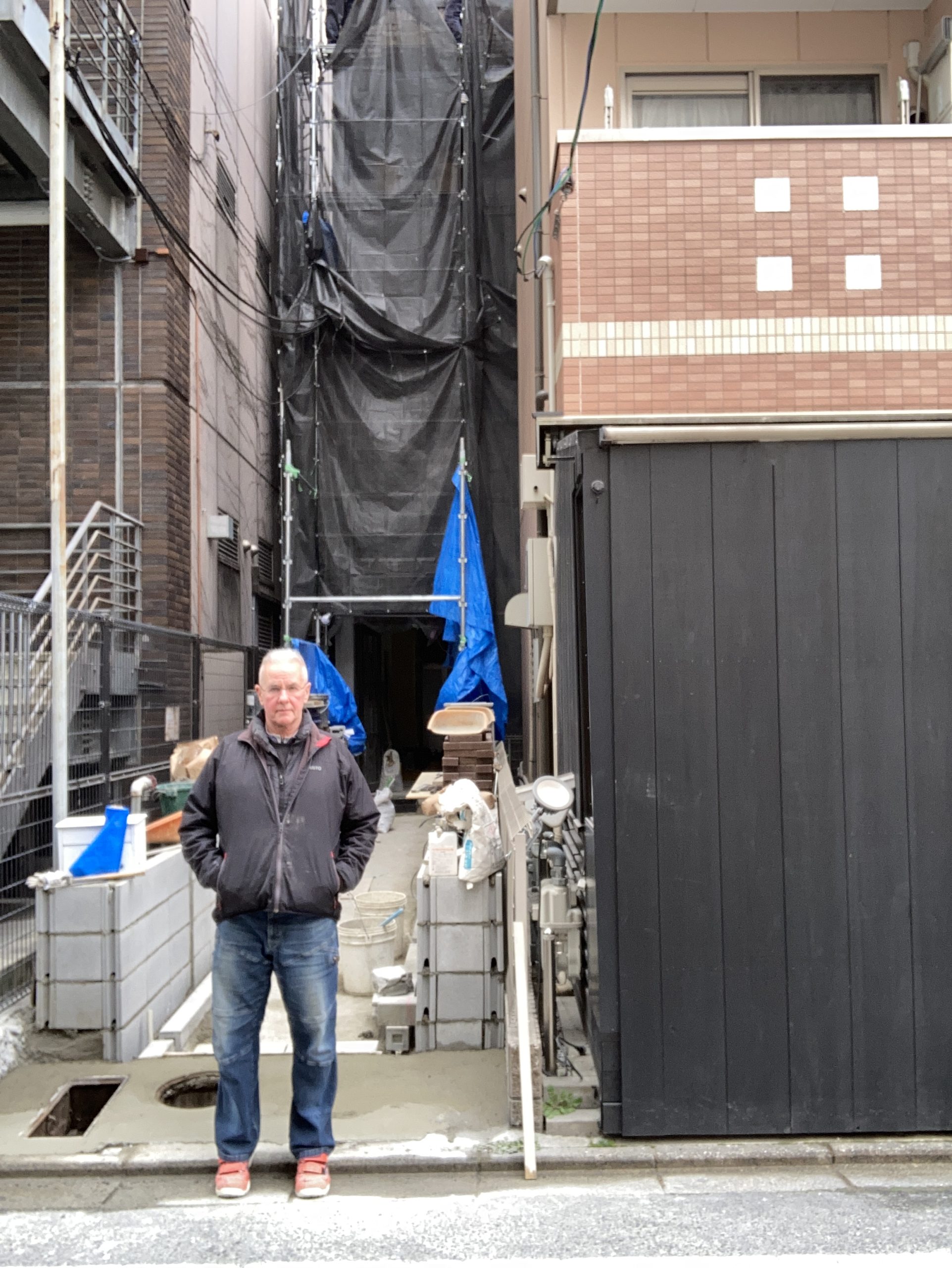
Japan is undertaking significant urban redevelopment and infrastructure projects, creating new avenues for investing in Japan’s real estate market. Notably, the development of an integrated casino resort in Osaka, set for completion in 2030, is expected to boost the local economy and increase demand for both commercial and residential properties in the area.
Tourism and Hospitality Sector

The resurgence of international tourism has revitalized Japan’s hospitality sector. Land prices have risen in 29 of 47 prefectures, including popular tourist destinations like Tokyo, Hokkaido, and Okinawa, driven by increased visitor numbers. Investing in hotels, vacation rentals, and other tourism-related properties can yield substantial returns, especially in regions experiencing significant tourist influx.
Residential Properties in Urban Centers
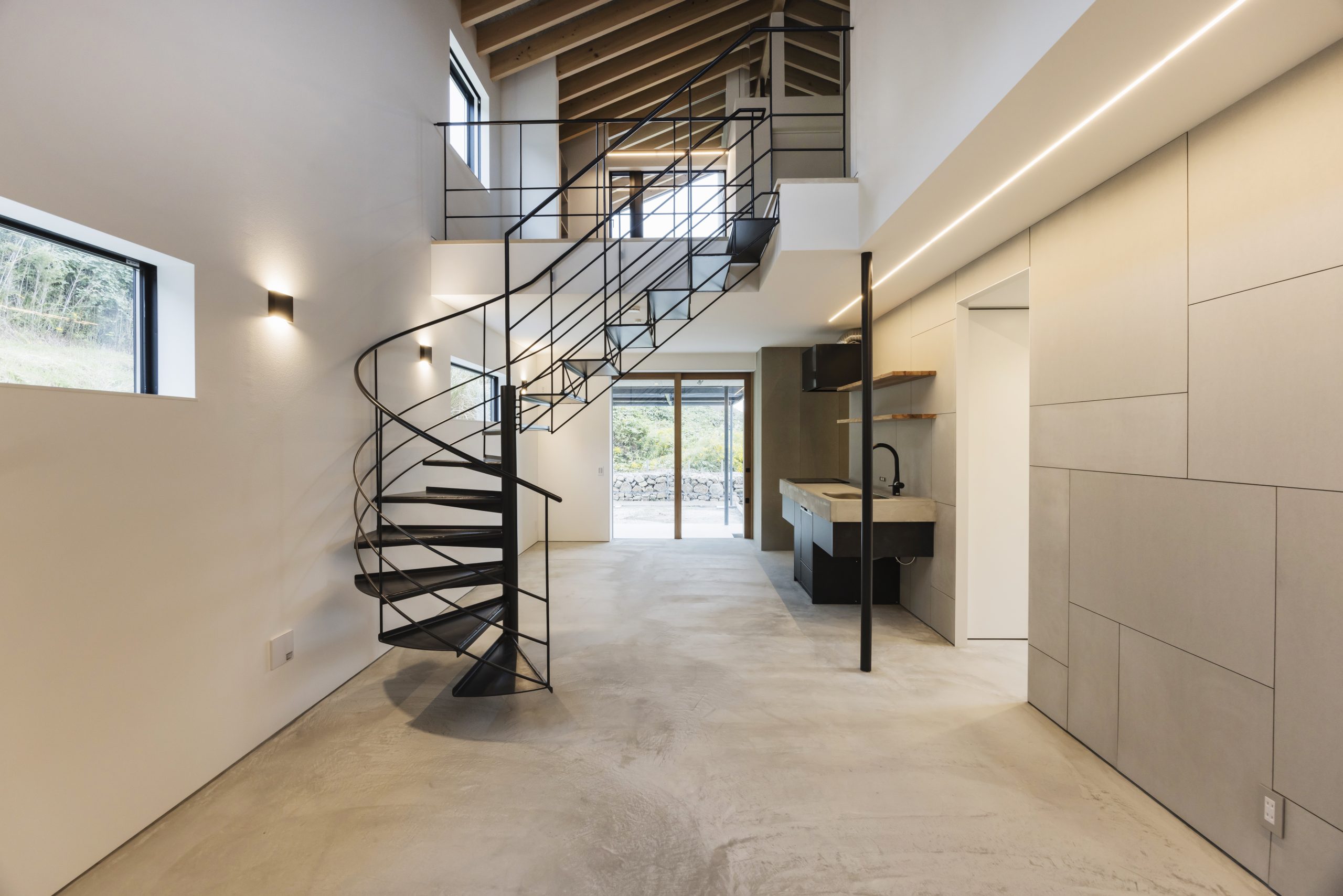
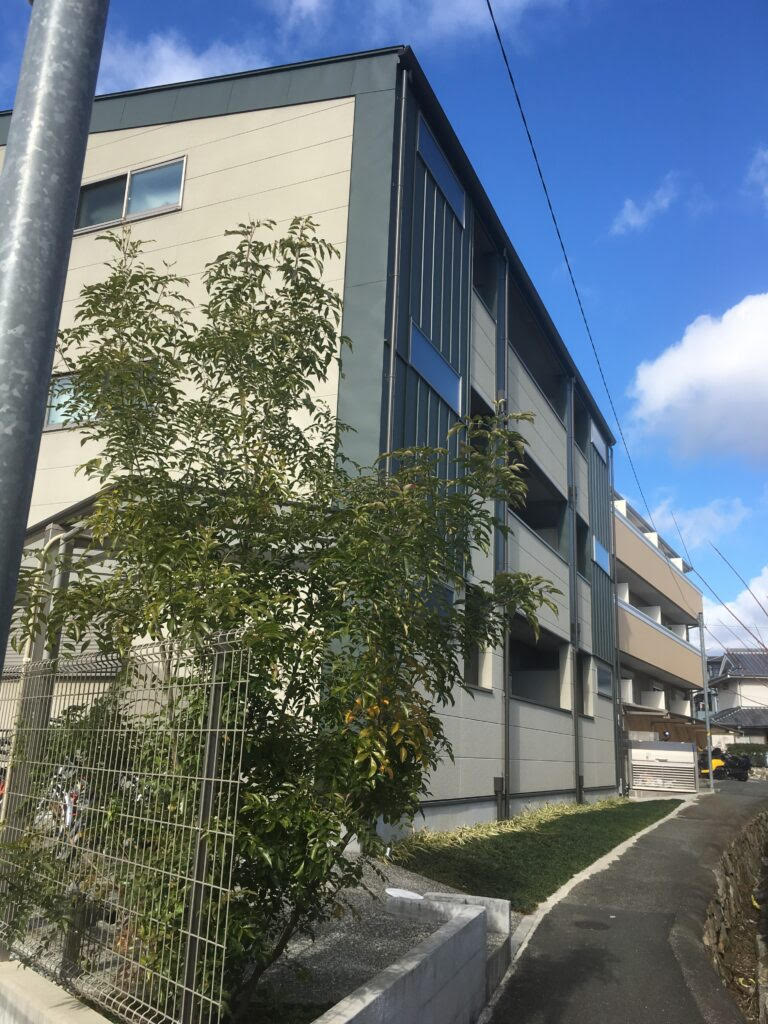
Major cities such as Tokyo and Osaka continue to attract residents due to employment opportunities and lifestyle amenities. This urban migration sustains demand for residential properties, offering investors stable rental income and potential for property value appreciation. However, it’s essential to consider factors like property location, quality, and proximity to transportation hubs when making investment decisions.
Rural Properties and ‘Akiya’ Opportunities
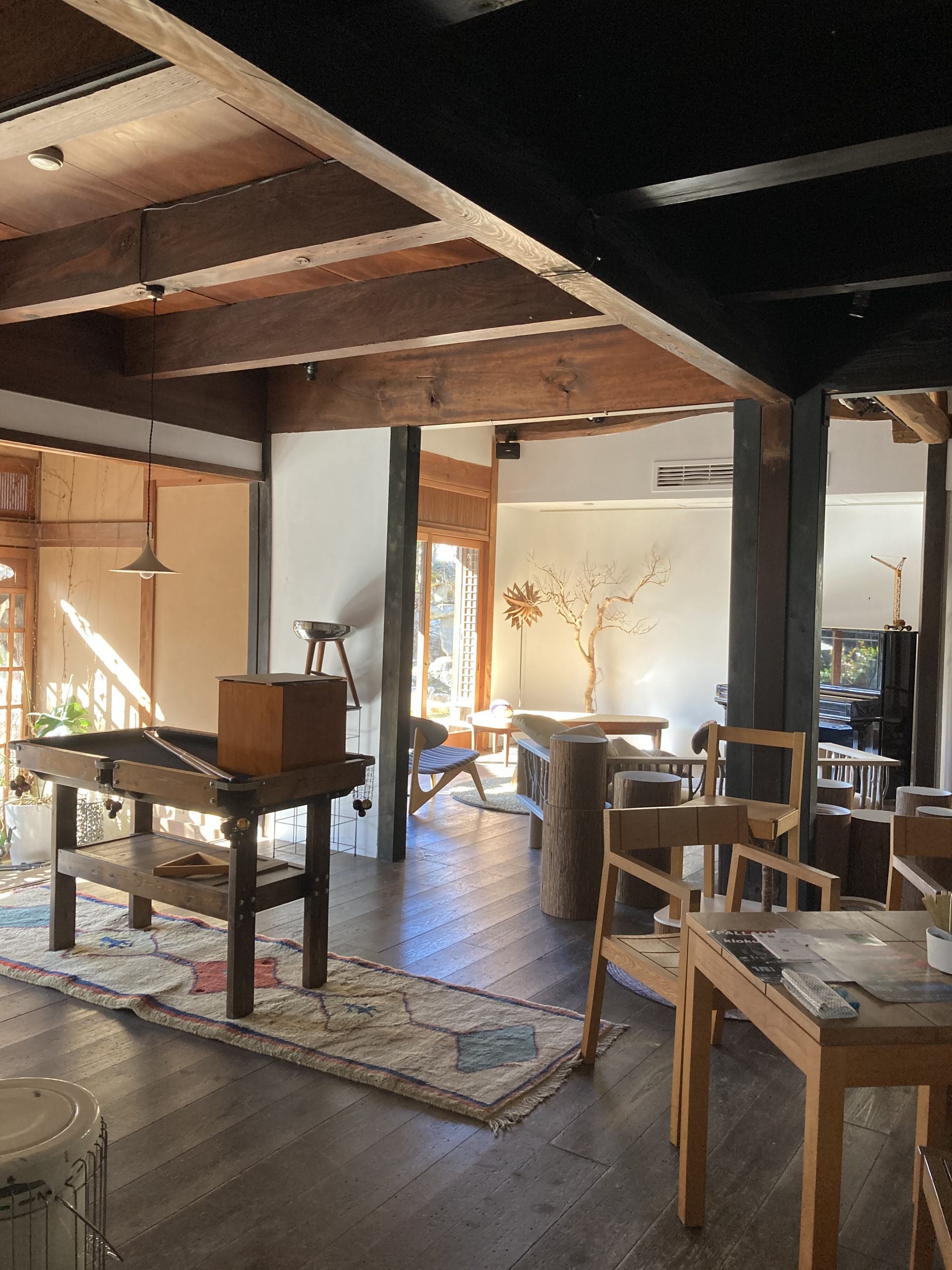
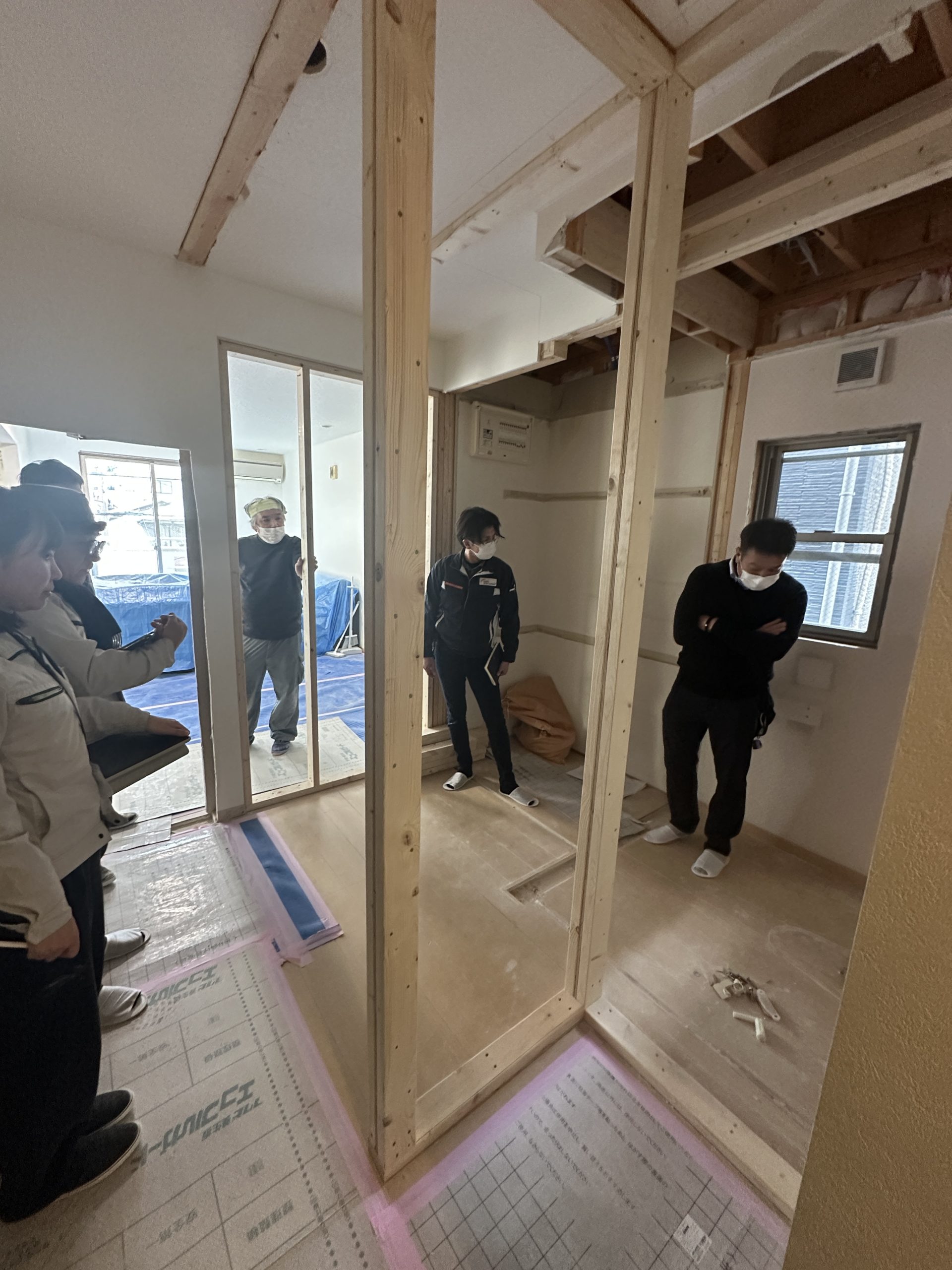
Japan faces a growing number of vacant homes, known as ‘akiya,’ particularly in rural areas. These properties are often available at low prices, presenting opportunities for investors interested in renovation projects or seeking affordable vacation homes. However, challenges include the growing government focus on asbestos in demolition and securing financing, as non-residents may find it difficult to obtain mortgages and often need to pay in cash.
Commercial Real Estate and Office Spaces
The commercial real estate sector, especially office spaces, is experiencing shifts due to changing work patterns and economic conditions. While some areas face reduced demand, others, particularly those offering modern, sustainable facilities, continue to attract tenants. Investors should assess market trends and tenant needs to identify viable opportunities in this sector.
Impact of Interest Rates on Real Estate Investment
Japan’s historically low-interest rates have facilitated affordable financing for real estate investments. Even with potential slight increases, rates are expected to remain low compared to global standards, maintaining favorable conditions for investors. However, it’s crucial to stay informed about monetary policy changes, as significant rate hikes could affect borrowing costs and property values.
Legal and Regulatory Considerations
Foreign investors can purchase property in Japan without significant restrictions. However, navigating legal procedures, understanding property rights, and complying with local regulations are essential. Engaging with local experts and legal advisors can help ensure a smooth investment process and adherence to all legal requirements.
Conclusion
Japan’s real estate market offers diverse opportunities across urban, rural, residential, and commercial sectors. By staying attuned to economic policies, demographic trends, and market dynamics, investors can make informed decisions and capitalize on the potential within this evolving market. Conducting thorough due diligence and consulting with local professionals are key steps to success when investing in Japan’s real estate market.