Mark Smith

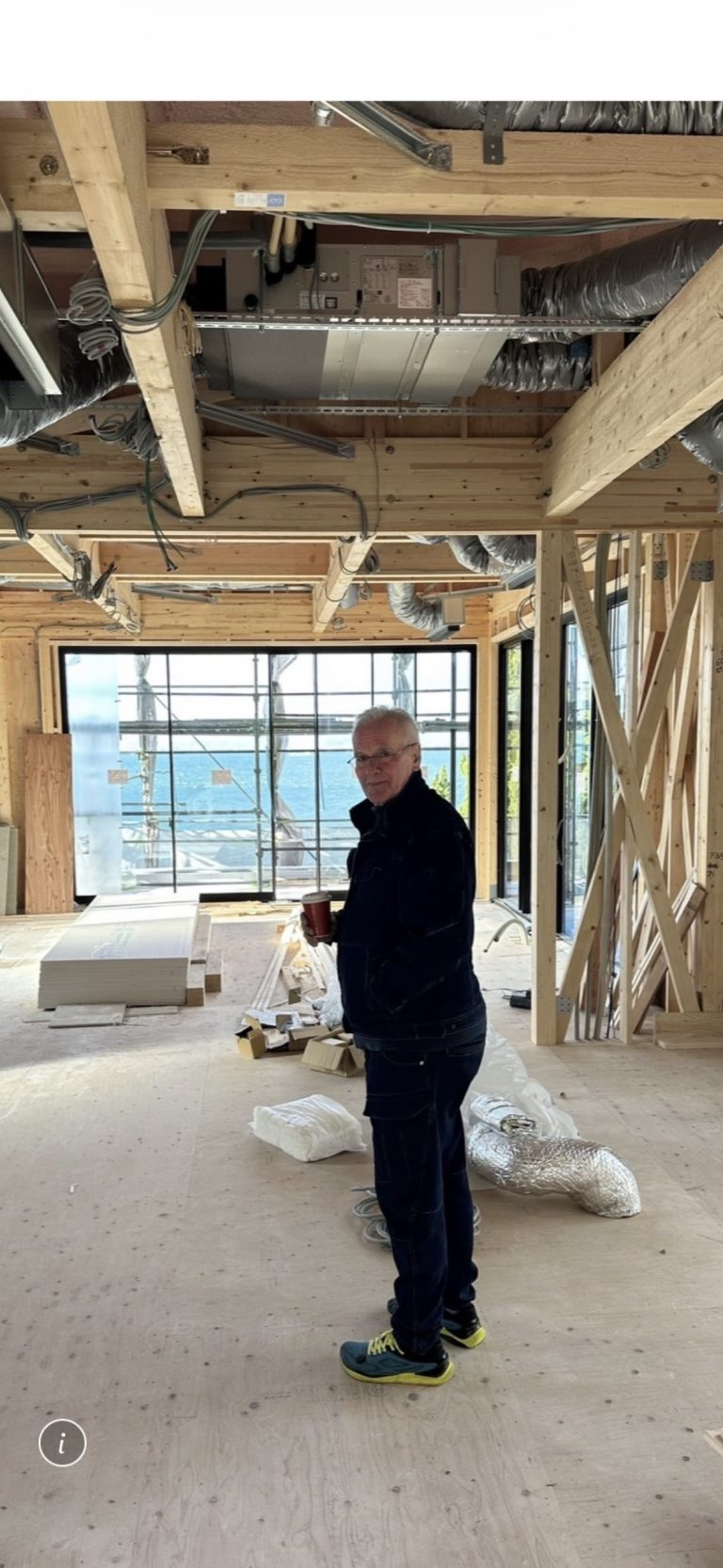
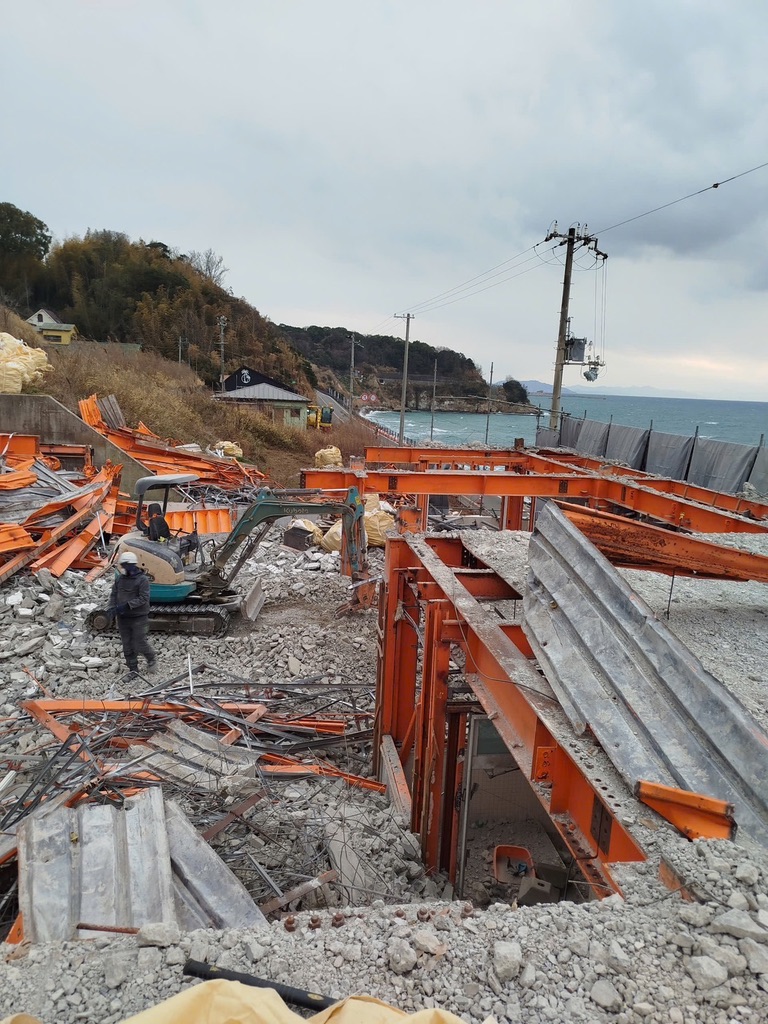
Renovation in Japan covers a wider spectrum than most buyers and investors initially appreciate. It ranges from the careful restoration of a century-old timber kominka, every joint hand-cut, every tile reseated by someone who understands what they are working with, to the demolition of a failed hotel's upper floors and the architectural conversion of its retained concrete base into four Minpaku residences.

Author : Mark Smith

Why investor-led buy-and-build-for-rent has narrowed in Japan, land prices up, construction cost increases, yield compression, and what is replacing it.

Author : Mark Smith

Field notes on the Tsuruoka Miyazawa property, an active 2026 consulting case. A client asked me to review a rural property. I have withheld the address and listing details as the property was on the market at the time this was written. What follows is the assessment summary I sent them. I’ll look at this the only way I can, from how I would approach it myself, standing in Japan and working through these projects in real conditions, not from how they are usually presented.

Author : Mark Smith

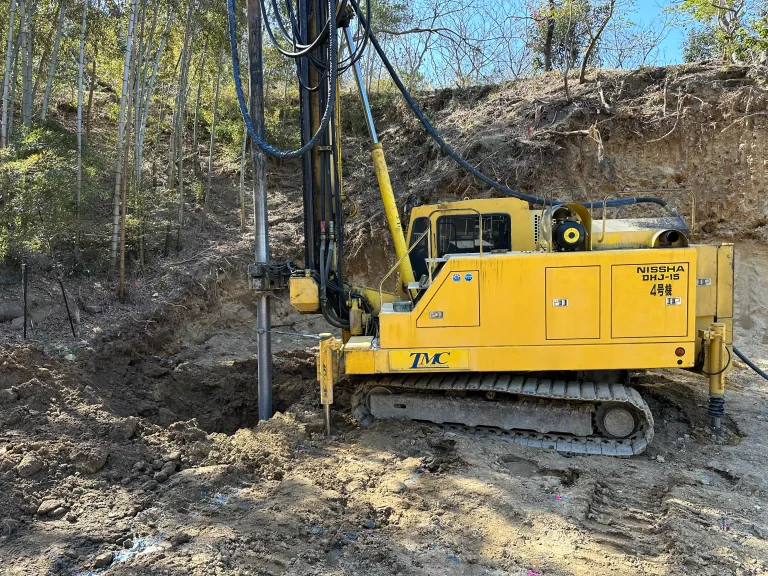
A geotechnical investigation , borehole testing or standard penetration testing , tells you what is beneath the surface before you commit capital to what sits above it. In Japan, this is not a standard step in residential land acquisition.

Author : Mark Smith

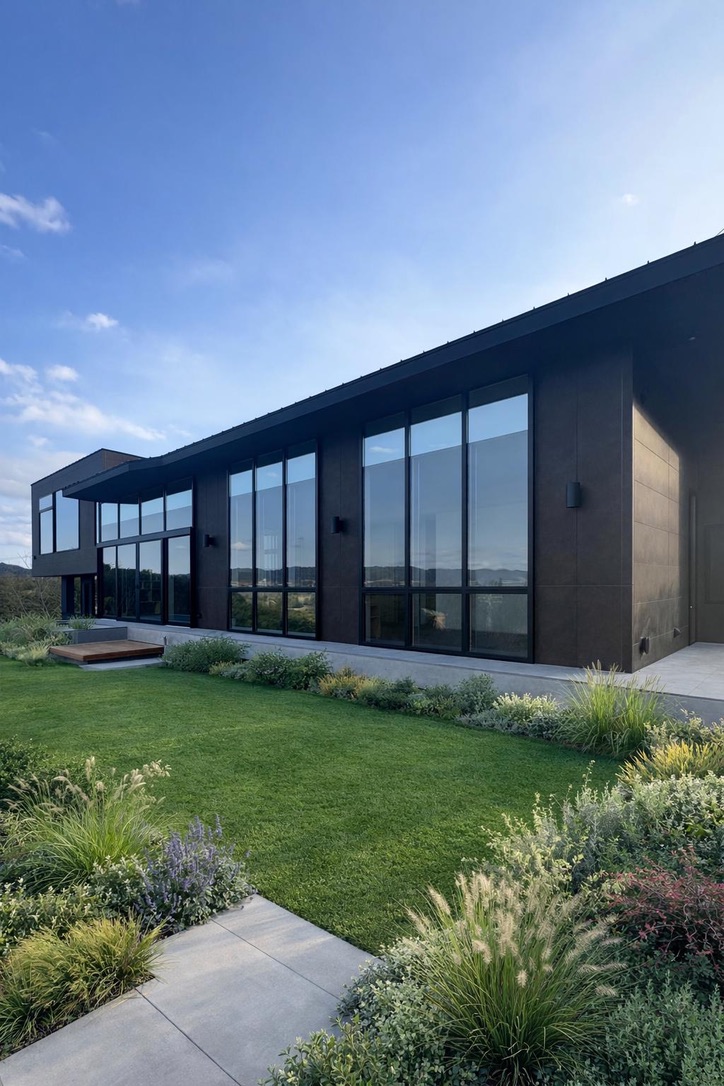
Architect-designed luxury villa on Awaji Island blending landscape, light, and quiet living. Vista Wellmina Villa offers immersive indoor–outdoor space, privacy, and proximity to the Seto Inland Sea.

Author : Mark Smith

For many investors, purchasing land feels like the decisive step in a development journey. Once ownership is secured, the assumption is that design and construction will follow naturally.

Author : Mark Smith

A Hyogo Prefecture case study exploring whether interest rate uncertainty justifies selling income-producing Japanese real estate at a significant discount.

Author : Mark Smith

Broad-based capital growth, the kind that rewards participation over selection, has been largely absent from suburban markets for more than three decades. In that environment, a different approach becomes not just viable but necessary: identifying artificial disparities, understanding what sustains them, and positioning before the catalyst that closes them.

Author : Mark Smith