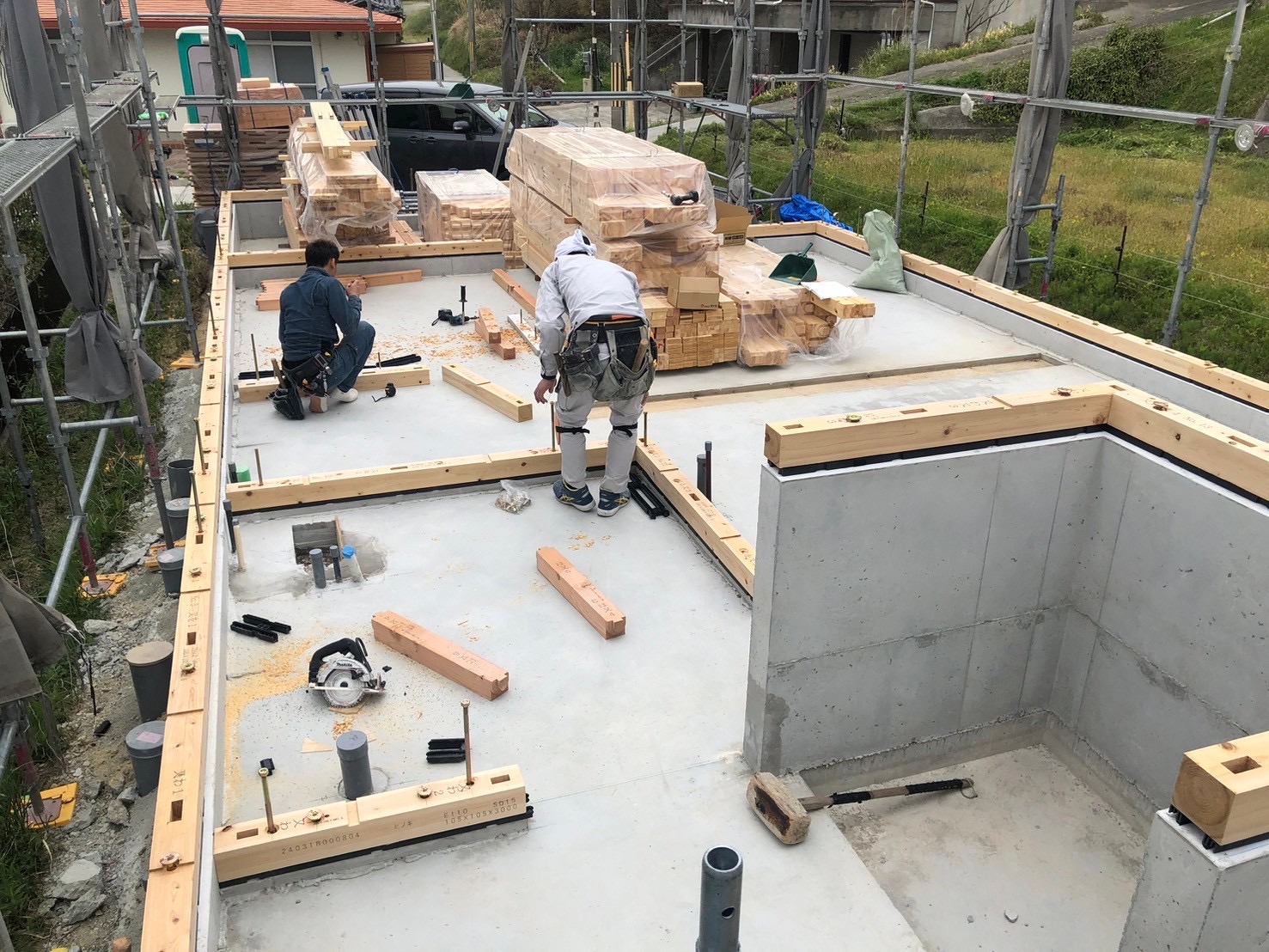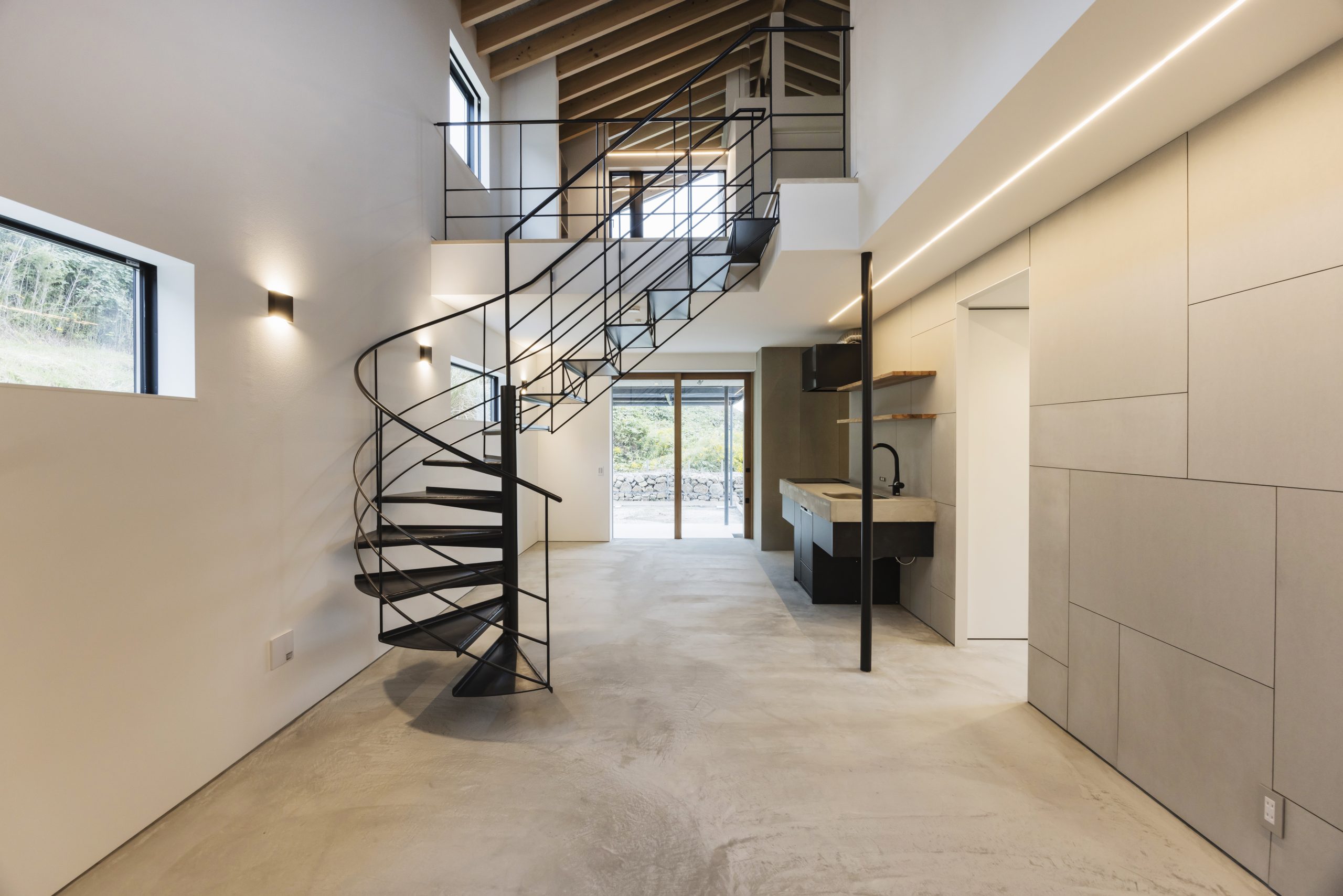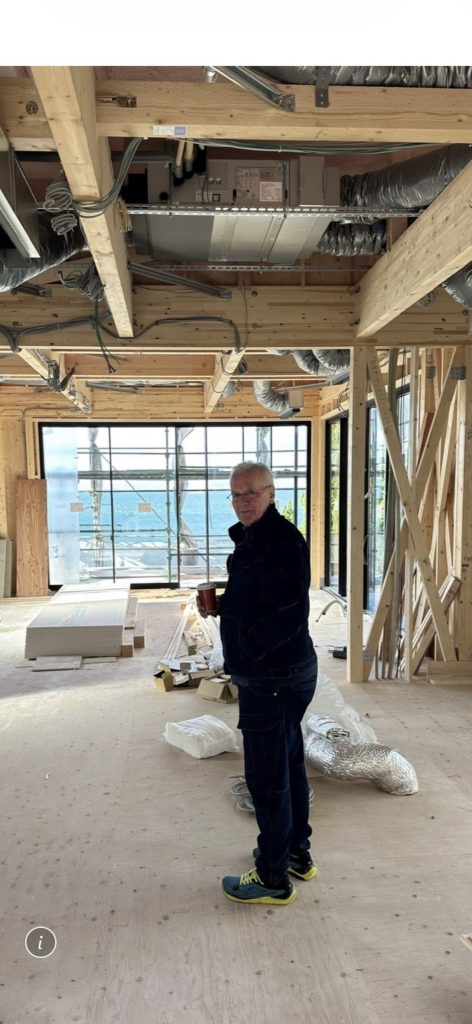
The land price movement would be challenging enough on its own. It is not on its own.
Construction costs have moved structurally across the same period, and the pace of that movement has accelerated. This is not a temporary spike driven by a single supply shock. It is a sustained reset driven by materials, logistics, and labour costs that show no sign of reversing.
The April 2025 round of supplier-led increases affected every component of a residential build. Toilets increased by approximately twenty-three percent. Washbasins by approximately forty percent. Bathrooms and kitchens by approximately six percent. Sashes and entrance doors between three and twelve percent. Exterior materials by approximately eight percent. Faucets by approximately eight percent. A further round in April 2026 continued this movement, sashes up a further ten percent, with selected products higher, skylights up approximately twenty percent, sliding doors up approximately ten percent. Suppliers were explicit: raw materials, purchased components, parts, and logistics costs could no longer be absorbed internally. (1)
Interior finishing materials followed. Wallpaper, a cost that appears in every unit of every residential build, increased by approximately thirty percent across multiple suppliers. (2) This is not a premium product category. This is standard finishing material applied to every room of every apartment.
Structural cost moved as well. The Osaka Wide-Area Ready-Mix Cooperative announced a concrete price increase of ¥8,500 per cubic metre from April 2026, taking the standard price from ¥25,500 to ¥34,000 , an increase of approximately thirty-three percent in a single adjustment. (3) Concrete is not optional. It is the base structure of a reinforced concrete residential building. There is no substitution.
Sangetsu, Japan’s dominant interior materials supplier, announced increases of eighteen to thirty percent across wallcoverings, flooring, fabrics, and adhesives, with a warning that further increases may follow. (2)
Taken individually, each of these increases can be managed. Taken together, across a single residential construction project, they alter the structure of the cost base in a way that is not recoverable through value engineering or specification adjustment. You cannot remove a bathroom. You cannot avoid concrete. You cannot skip the wallpaper. These are embedded costs, and they have all moved in the same direction at the same time.
The result is that a project which would have produced an 11% yield under earlier cost conditions now produces something materially lower and in many cases, below the threshold at which financing is available and the investment makes sense. The 11% that built the relationship with the bank does not appear at the entry point any more. Not in my area of focus. Not at current land prices. Not at current build costs.
A recurring question at present is whether buying land and building residential rental property in Japan remains a workable model.
At the level where smaller operators are active, working directly across land acquisition, design, and construction without institutional backing, the outcome is clear. If rental income does not support the combined cost of land and construction at entry, the project does not proceed. There is no portfolio to absorb mistakes. There is no scale to hide misjudgment. The relationship between land cost, build cost, and rental income must hold at the point of commitment. If it does not, the project is declined.
Financing sits alongside this. Operators with a track record can obtain leverage and structure projects accordingly. New entrants generally cannot. At current land prices, that difference is often decisive. A project that works with leverage may not work without it. And the leverage that was available when yield was 11% is not available when yield has compressed to a level that no longer satisfies the lender’s underwriting.
This shift is not theoretical. It is visible in daily work. We are asked less often about residential rental builds. Over the past three years, we have accepted multiple build-to-sell projects. This is not a shift in preference. It is a shift in what works.
At REIT scale and institutional level, IRR-based underwriting over long holding periods with access to cheap debt changes the arithmetic. These are not the conditions most owner-operators work under. But they explain why activity at that scale continues in certain markets, while the investor profile we represent finds the entry point increasingly difficult to justify.
Two models remain active at the owner-operator level. Both are visible in current work.
The first is build-to-sell. Developers acquiring land now are often doing so with intent to complete and sell rather than hold. Return is realised at completion rather than accumulated over time through rental income. This is a direct response to conditions where the yield required to justify a long-term hold does not appear at current entry pricing. What is no longer broadly visible is investor-led buy-and-build-for-rent at current entry pricing. The model has not disappeared. But it has narrowed significantly.
The second model is more specific to Japan and deserves to be understood on its own terms. An aging cohort of landowners, people who acquired land years or decades ago at historical cost, continues to build residential rental property. Their position is fundamentally different from an investor acquiring land today. Land cost is historical. Construction converts an existing asset into an income-producing one. The yield calculation looks different when land is already held.
But the motivation in many of these cases goes beyond yield. Residential rental construction in Japan is used as an inheritance planning tool. A landowner borrows to build. The debt reduces the taxable value of the estate. The building produces income. The asset passes to the next generation with a reduced tax liability and a cash-flowing property attached. This is a well-established structure in Japanese estate planning, and it is driving a meaningful share of residential construction activity in the current environment, not because the yield economics are exceptional, but because the inheritance logic is compelling.
For existing portfolios built under earlier conditions, the position is different again. Buildings delivered when land and construction costs were lower continue to perform. Rental income has reduced debt over time. Exposure has decreased. Income remains. These assets demonstrate that the model works, not as a historical curiosity, but as a live example of what the arithmetic produces when the entry point is correct. The issue is not the model. The issue is the entry point.
The question is not whether rental property works in Japan. The question is whether buying land and building rental property works at current entry pricing, for an operator at a specific scale, with a specific financing position.
At current land prices in my area of focus, ¥1,200,000 per tsubo against ¥150,000 seven years ago, the answer for a new entrant without historical land holdings is: not easily. Not at my scale. Not without a financing position that most new entrants cannot access.
Projects that move forward today share common characteristics: access to finance, control of cost, the right site at the right entry price, clear tenant demand, and realistic assumptions. Without these, the model does not hold.
The ability to decline has become as important as the ability to build. Not every site works. Not every project should proceed. This is where experience becomes visible, not in design, not in construction, but in the decision at the front end.
A precise way to state it: at current land prices, investor-led buy-and-build-for-rent is no longer a broad entry model. It is limited. Selective. Conditional. The model still works. But the entry point has changed, and in my area of focus, it has changed by a factor of eight.
Our Insights reflect how we think about investing in Japanese real estate, the questions we ask, the trends we watch, and the reasoning behind the decisions we make for our own portfolio. We share them in the hope they’re useful food for thought, but they are not advice, just one active investor’s view of the market.
Sources
(1) LIXIL Corporation, Price Revision Announcement (2025–2026)
https://www.biz-lixil.com/pdf/lixil_kakakukaitei.pdf
https://newsroom.lixil.com/ja/2025110701
(2) Sangetsu Corporation, Interior Materials Price Increase (2026)
https://this-c.com/news/lixilpriceup202304/
(3) Osaka Wide-Area Ready-Mix Cooperative, Concrete Price Increase (2026)
https://www.beton.co.jp/archives/12598