Owning Land in Japan Is Only the Beginning: The Okinawa Lesson

The Assumption of Momentum

For many investors, purchasing land feels like the decisive step in a development journey. Once ownership is secured, the expectation is that design and construction will follow naturally.

In Japan , particularly outside major metropolitan centres , this assumption can quietly unravel.

An experience in Okinawa some years ago reinforced a reality that is rarely discussed openly: land ownership alone does not automatically create development momentum. Even where financial capacity, project intent, and land suitability are all present, progress can stall without clear explanation.

A Viable Project That Quietly Stalled

In this case, the land had already been purchased before I became involved. The investor held a viable concept and sufficient financial resources, yet development had entered an uncertain holding pattern.

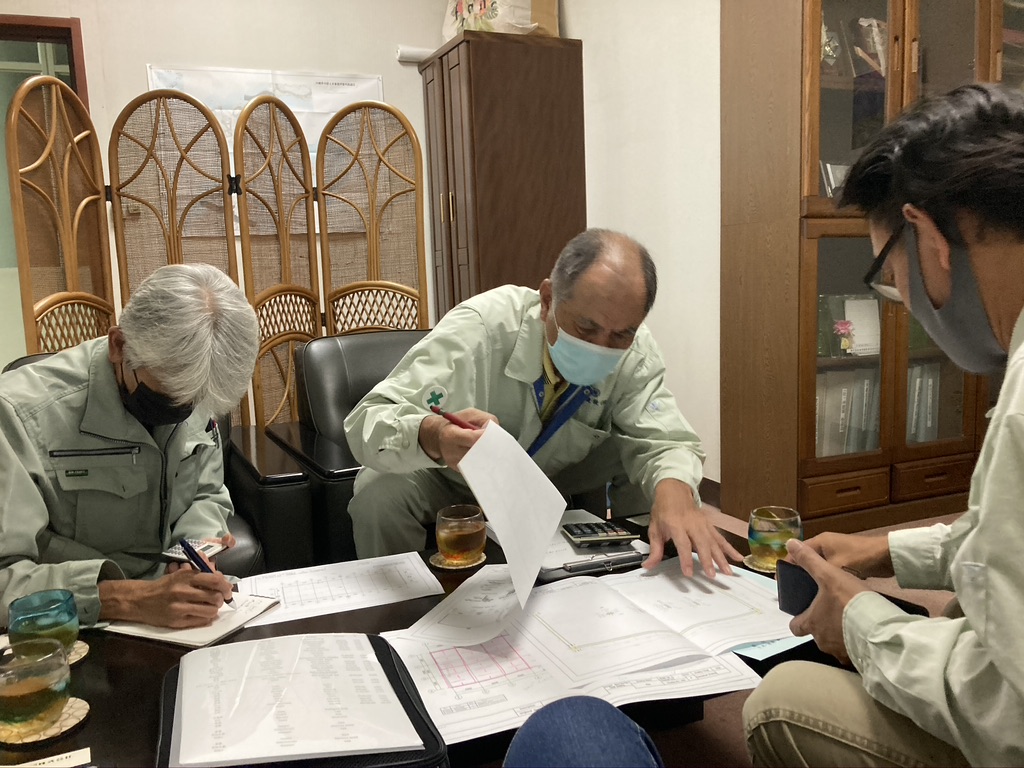
Project coordination meeting Asahi Kensetsu Okinawa Japan
Meeting with Asahi Kensetsu Co., Ltd., where relational alignment and execution clarity began to take shape.


Initial discussions with architects and contractors appeared encouraging. Meetings were cordial, ideas were exchanged, and interest was expressed. However, follow-up engagement gradually faded. Architects withdrew quietly. Contractors listened attentively but did not advance conversations. No direct refusal was given, simply a subtle absence of commitment.

The project had entered a state best described as soft resistance: not rejected, but not progressing.

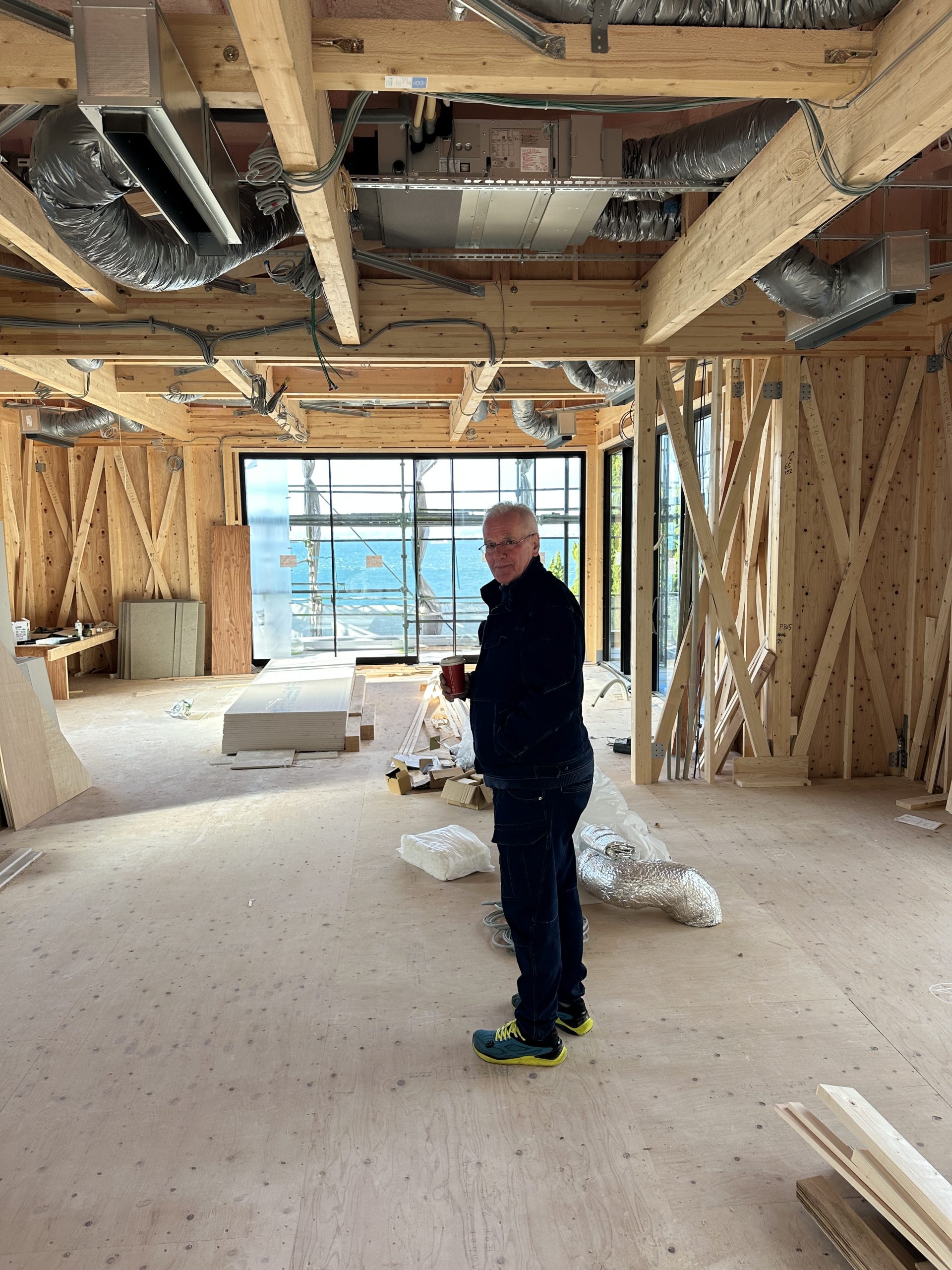
Mark Smith - Smith Realty Japan
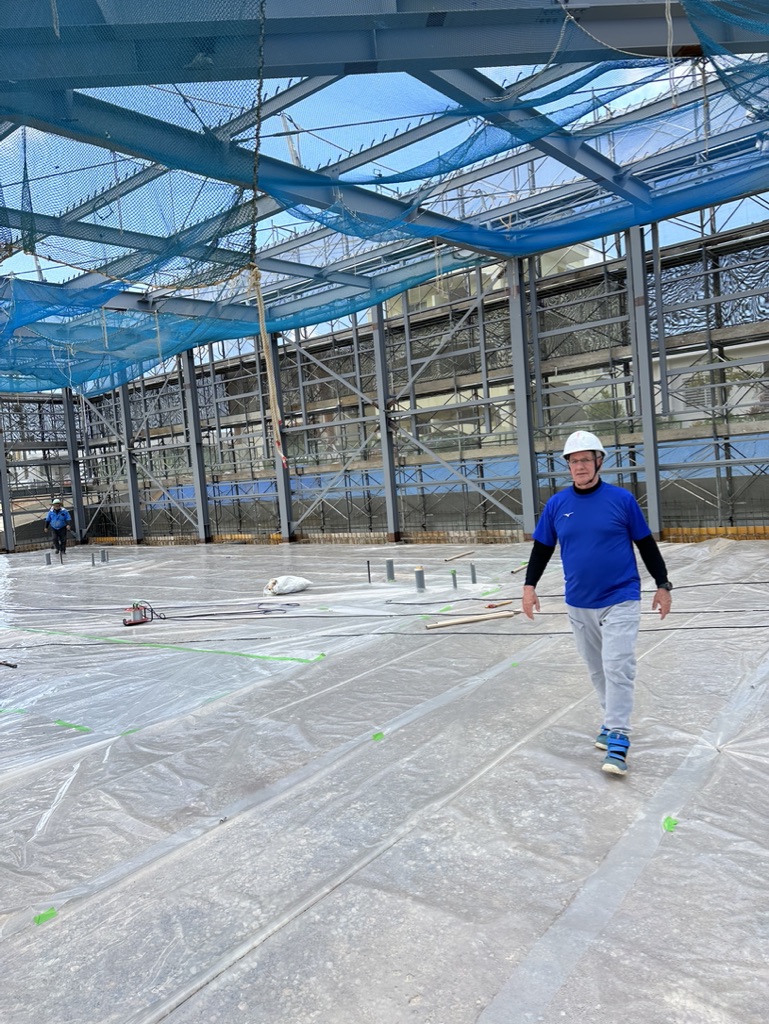
Walking the Okinawa warehouse site as coordination stabilised and execution momentum became visible.

Soft Resistance and Invisible Barriers

It was during this period that I was asked to assist in helping the project move from ownership toward execution.

Early conversations revealed that the challenge was not technical feasibility but relational alignment. The project lacked the trust network necessary for local professionals to feel comfortable engaging. In Japan, confidence in coordination often precedes willingness to participate, and uncertainty in communication pathways can quietly prevent progress even when a project is fundamentally sound.

For overseas investors, this absence of visible resistance can be particularly confusing. Without direct rejection, developments appear viable while remaining suspended in inactivity.

Momentum Through Relationship

Momentum began to return through relationship rather than technical adjustment. A discussion with a specialist contractor, whose scope was limited strictly to the manufacture of steel warehouse frames, created the first meaningful engagement and introduced credibility into the project environment.

Through this connection, an introduction was made to an experienced Okinawan contractor, Asahi Kensetsu Co., Ltd., capable of reviewing the development comprehensively.
Company website: https://www.asahi-okinawa.jp/

The meeting focused on feasibility clarity, coordination structure, and execution sequencing rather than negotiation positioning. This shift from uncertainty to clarity proved decisive. Following internal review, the project moved forward and coordinated execution began.
The Deeper Lesson

Development feasibility in Japan is shaped by factors often invisible during land acquisition: trust networks, communication comfort, coordination stability, and alignment of expectations.

Execution is therefore as much a strategic discipline as a construction process. Projects rarely progress through technical capability alone; they advance when professionals feel confident that expectations are realistic, communication is predictable, and coordination risks are manageable.

Smith Realty Japan’s role is often to create these conditions, enabling architects and contractors to participate with confidence and allowing projects to move forward with quiet momentum rather than visible struggle.

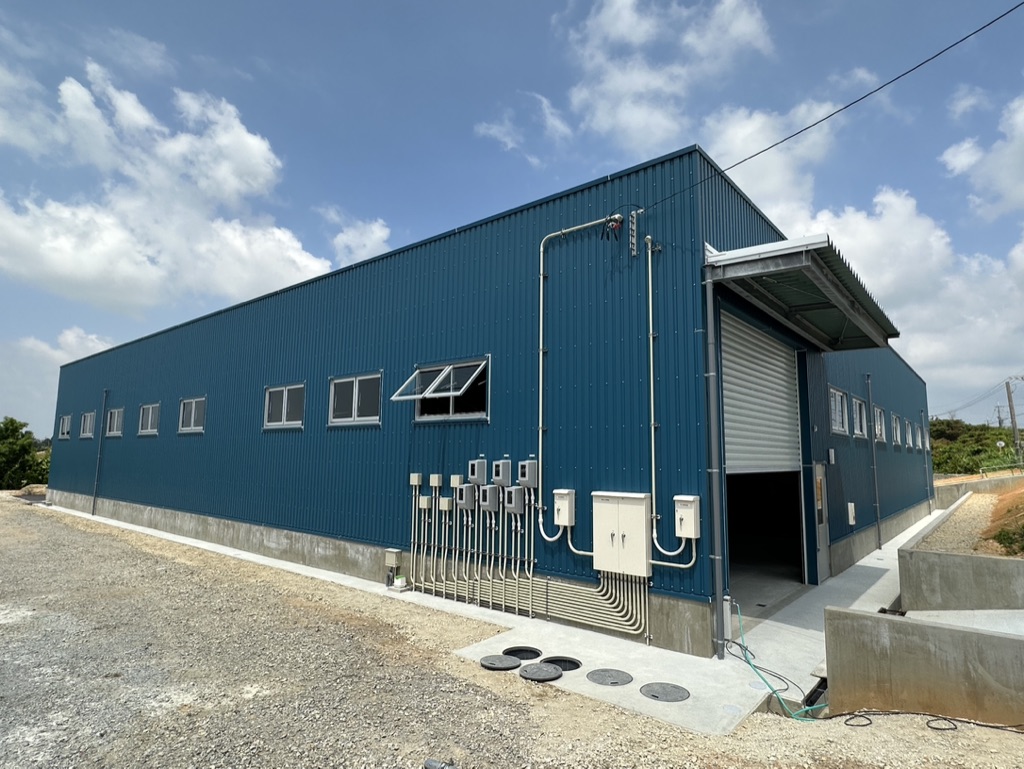
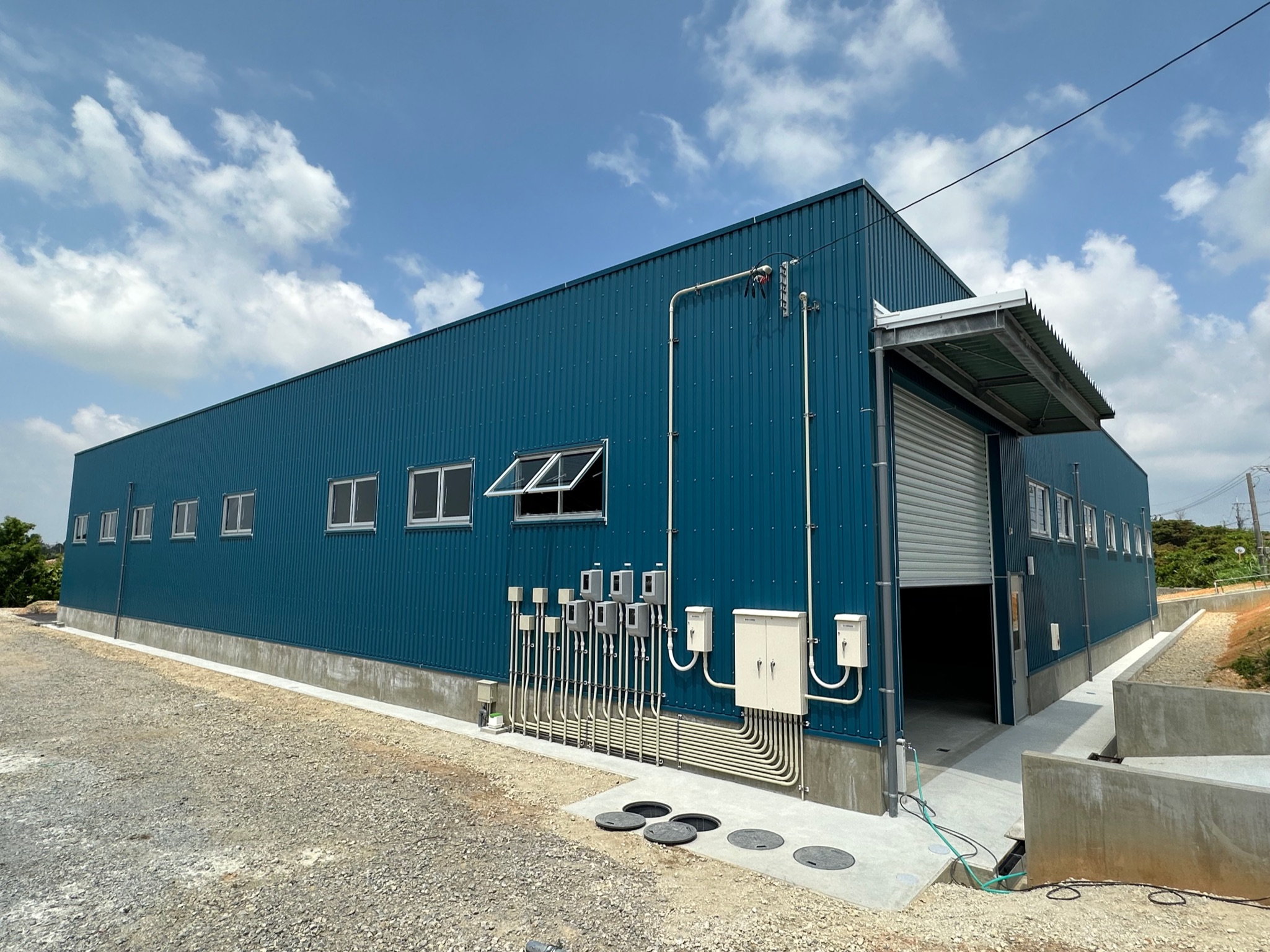
Completed commercial warehouse exterior Okinawa Japan 600sqm
Completed 600 sqm Okinawa warehouse following alignment of relationships, coordination clarity, and structured execution.

Alignment Creates Momentum

For investors, the takeaway is simple: land ownership creates possibility, but alignment creates momentum.

If aspects of this experience feel familiar, the challenge is rarely technical. In many cases, clarity, alignment, and trusted introductions are the missing elements. Early conversations grounded in coordination rather than negotiation can prevent extended periods of stalled progress and allow development to proceed with confidence.

More Articles

Navigating Japan’s Unique Real Estate Market: Navigating Japan’s Okinawan estate market can be exciting, particularly in the warehouse sector. While ...

Author : Mark Smith

Many architect-designed homes in Japan are eliminating visible rain gutters to achieve cleaner architectural forms. Learn how modern custom homes ...

Author : Mark Smith

The Japanese building industry has transformed dramatically since the 1970s, driven by technological advancements, societal shifts, and the need for ...

Author : Mark Smith

Finding the right parcel is not just about location; it's about potential. It's about aligning the land's unique characteristics with ...

Author : Mark Smith

A Hyogo Prefecture case study exploring whether interest rate uncertainty justifies selling income-producing Japanese real estate at a significant discount. ...

Author : Mark Smith

This is not simply a renovation, it is a deliberate reworking of space, light, and flow. The home has been ...

Author : Mark Smith

Affordable Japan Oceanfront Home for Sale

English enquiries welcome. Licensed sale handled by local agent.