Smith&Co was approached to handle a small scale Japanese demolition project. While the demolition itself was straightforward, multiple challenges had delayed the start of the project. The customer expressed concerns about neighborhood complaints, the potential loss of land, and a high estimate they had received prior to contacting Smith&Co.
Efficient Small Scale Demolition Techniques
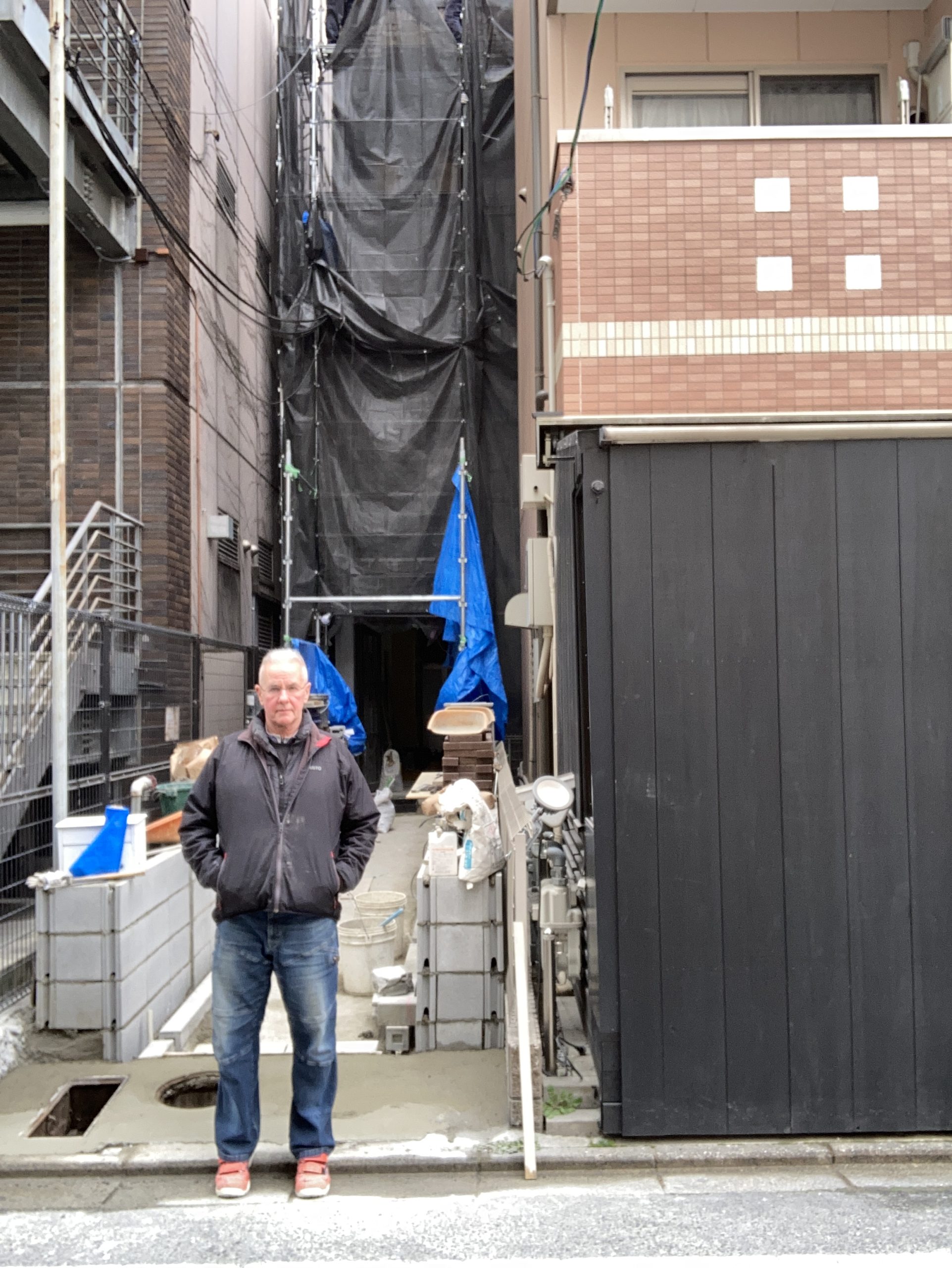
For small scale demolition projects like this, the standard modern approach involves using a mini-excavator, such as the Kobelco SK30SR-6E, along with a small team of demolition professionals. However, accessing the site required removing a cement block wall, which introduced additional complications. After the demolition, the wall would need to be rebuilt, adding extra costs. More importantly, under current setback regulations, rebuilding the wall would result in a 400 mm loss of land for the property owner.
Challenge: Setback Rules in Small Scale Demolition
The setback rule, designed to widen narrow roads, often leads to significant land loss for property owners. In this case, the triangular shape of the land meant that moving the wall inward would impact the longest boundary, making the land less functional. Removing the cement block wall would allow the mini-excavator to access the site, but the loss of land was unacceptable to the owner. Without excavator access, however, demolishing the structure became much more challenging.
Complicating matters further, the structure had developed a dangerous lean due to termite damage. The tilt posed a risk of collapse onto a narrow road, raising safety concerns among neighbors. Despite the urgency, previous demolition quotes had been too high for the owner to proceed.
Innovative Hand Demolition Solution by Smith&Co
Smith&Co was called to propose a solution that avoided land loss and reduced costs. Our team suggested demolishing the structure by hand, eliminating the need to remove the cement block wall. Although this method required more labor, it prevented land loss due to setback rules and avoided the cost of rebuilding the wall. To address limited site access, we planned to carry all demolition debris by hand to a nearby parking area for disposal. This approach allowed us to provide a quote that was 60% lower than the mini-excavator estimate.
Successful Completion of the Small Scale Demolition
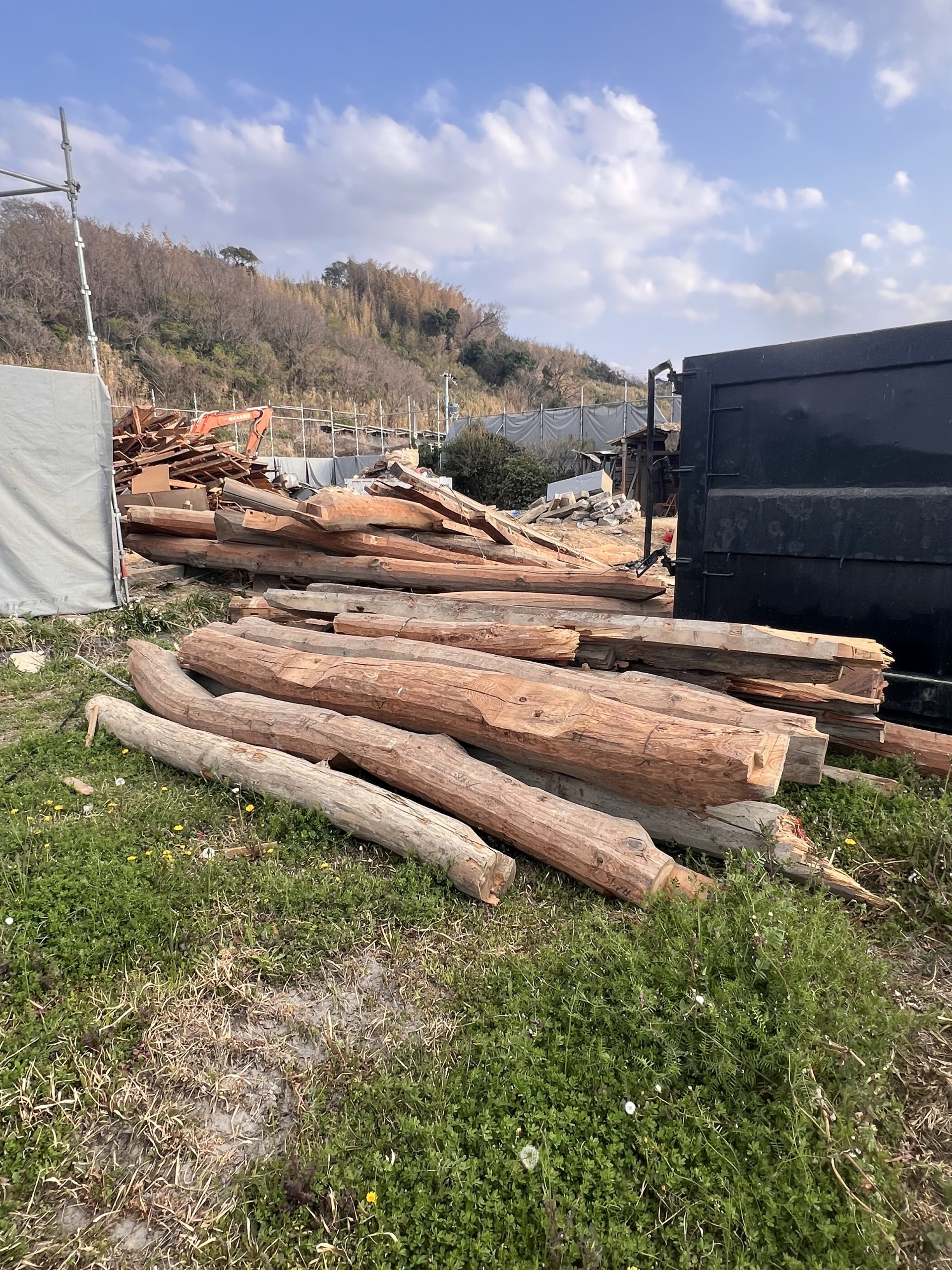
Smith&Co’s hand demolition plan was accepted. We began the project by erecting safety screens around the structure to protect neighboring properties and passing vehicles. The first step was removing the traditional Japanese Kawara roof tiles, which we recycled. Next, we carefully removed the clay under the tiles to minimize dust. To handle the “Tsuchi-Kabe” (earthen walls), we used a water hose to control dust, ensuring minimal disruption to the surrounding area. Finally, the timber frame was dismantled, and two ground-floor walls were repurposed as privacy fencing.
By avoiding the removal of the cement block wall, we successfully completed the demolition without land loss, meeting the customer’s needs and staying under budget.
Why Choose Smith&Co for Small Scale Demolition?
Smith&Co specializes in innovative small scale demolition solutions that prioritize safety, cost-efficiency, and customer satisfaction. Learn more about our demolition services and how we can help with your next project.