Demolition in Japanese Real Estate: Due Diligence Before You Commit

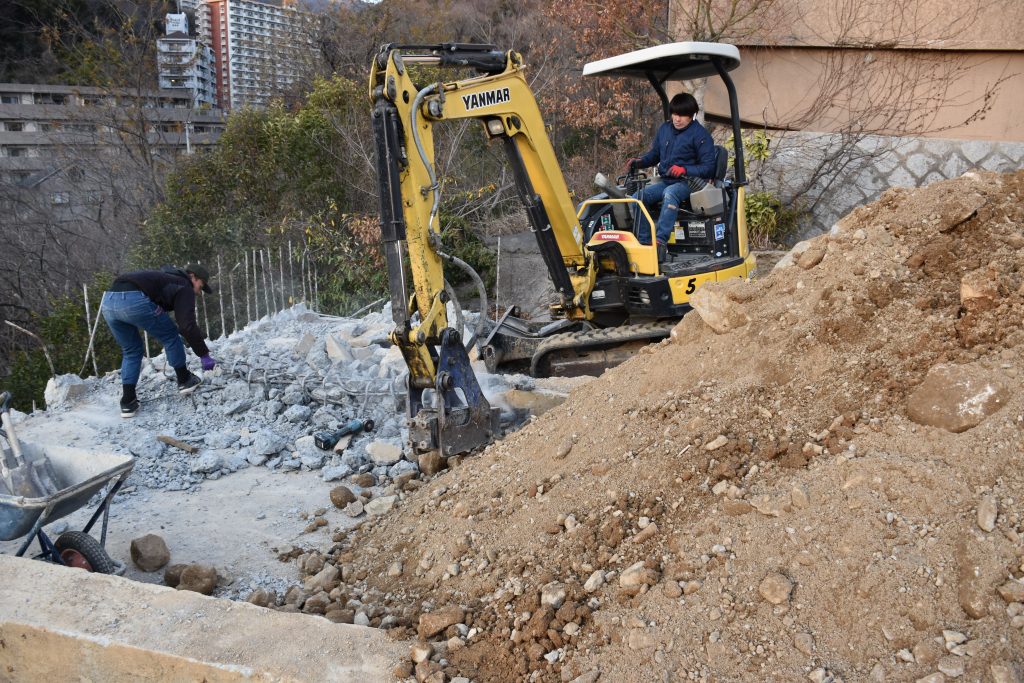
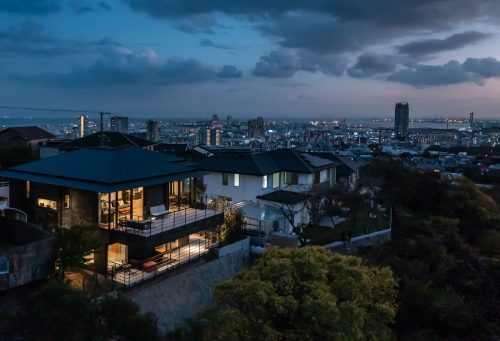
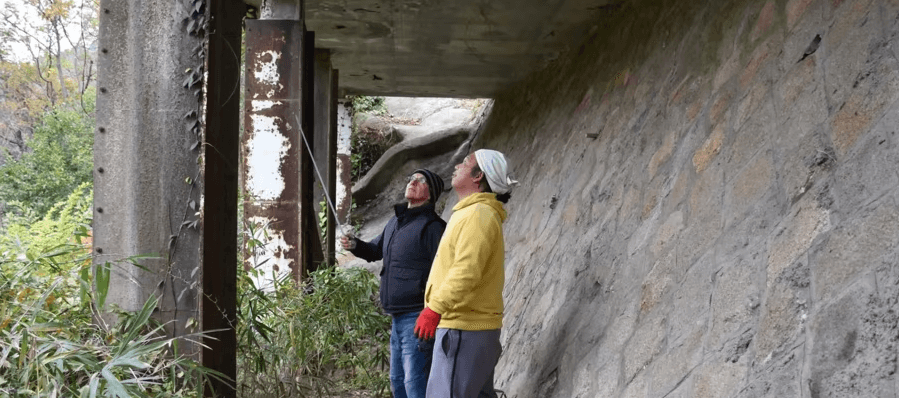
The decisions that matter in a demolition happen before the first truck arrives. The Mikage House site in Kobe is a good example of why. An overhang had been there at purchase — a steel-and-concrete deck, 68 square metres, rusted and structurally compromised — but nobody had priced the removal cost before the land changed hands. By the time Smith Realty Japan was called in, the city had made its position clear: no building permit until it was gone, and the removal quotes on the table were enough to put the entire project in question. Smith Realty Japan knew how to demolish it cheaply and who to call. The work came in at 25% of the quoted cost, completed cleanly — and Smith Realty Japan was subsequently commissioned to consult on the Mikage House build itself. That experience is representative of how demolition appears in the projects we consult on — not as a standalone service, but as a phase that requires the same scrutiny as any other decision in a Japanese real estate project.

Japan real estate monitoring

Where Demolition Sits in a Consulting Engagement

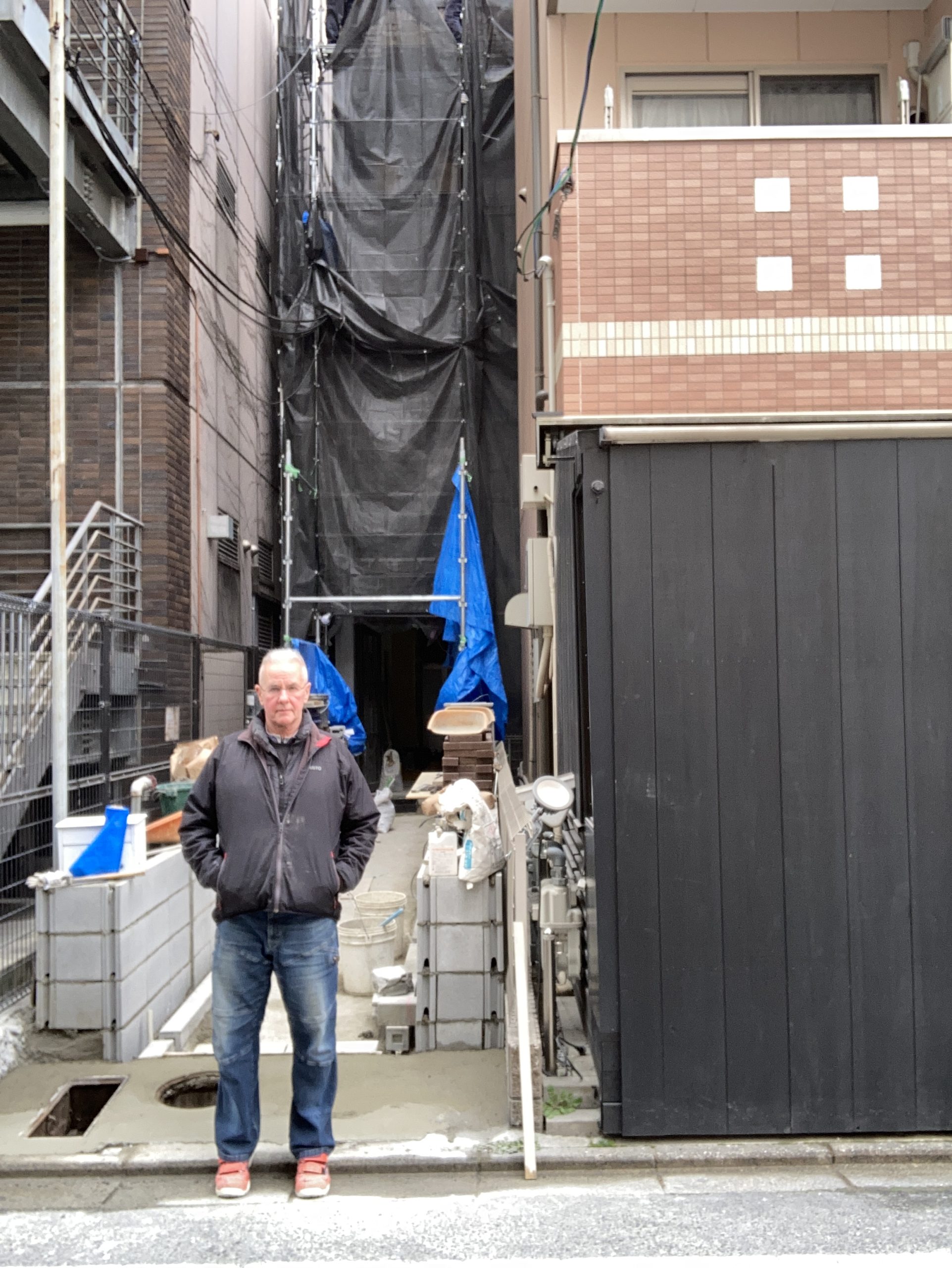
Demolition comes up in several distinct situations across the work we do. A land acquisition where an existing structure must be cleared before building can commence. A reform or renovation project where part of an existing building is being removed rather than retained. A kominka where a deteriorated secondary structure on the lot needs to go before the main building can be assessed properly. In each case the demolition is a cost line, a programme item, and a regulatory obligation — and all three need to be understood before a budget or a timeline is committed.

The cost question is the one most clients focus on first, and it is the right instinct. Demolition pricing in Japan varies significantly depending on structure type, materials, access conditions, and the presence of hazardous materials — asbestos in particular. A timber structure on a straightforward accessible site is a very different cost proposition from a reinforced concrete building on a narrow lane with restricted equipment access. We get quotes before any budget is treated as fixed, and we use contractors from a network we have worked with directly rather than selecting on price alone.

The Regulatory Framework

Demolition in Japan operates within a clear regulatory framework. The relevant obligations include notification of neighbouring properties, compliance with waste disposal regulations, and in the case of structures built before 1989, assessment for asbestos-containing materials prior to commencement. The asbestos obligation is not optional and is not something to manage after the fact — a licensed survey is required, and if asbestos is present, specialist removal must precede any structural demolition work.

Neighbour notification is procedural but matters in practice. Japanese residential neighbourhoods operate on close tolerances — noise, dust, access disruption, and vibration are all legitimate concerns, and a demolition that generates a neighbour dispute before construction begins is a poor start to any project. We treat notification as a communication exercise, not a formality.

Contractor Selection

The Japanese demolition industry has a wide quality range. Fully licensed, properly insured operators with verifiable track records sit at one end. At the other end are operators whose pricing reflects the corners they cut — on insurance, on waste disposal, on asbestos handling. A demolition carried out incorrectly can create liability that attaches to the landowner, not just the contractor. We use contractors we know, whose work we have seen, and whose documentation we have reviewed.

On every demolition we are involved with, we confirm: valid licence, current insurance, a clear waste disposal plan, and a site safety protocol. These are not negotiable items and they are not difficult to verify — but they need to be verified before the contract is signed, not after a problem has occurred.

Building a Custom Home in Japan — design, coordination, and build execution.

Subscribe to receive new articles from Smith Realty Japan.

We write only when something is worth paying attention to.

Demolition as a Cost and Programme Variable

The Mikage site demolition was scoped, quoted, and scheduled as a discrete phase before any construction contract was placed. That sequencing matters. A demolition that runs over time or encounters an unexpected condition — ground contamination, a concealed structural element, an asbestos find that was not identified in the initial survey — will affect the build programme and potentially the build budget. We model for this. Conservative programme assumptions at the demolition phase protect the construction schedule downstream.

For clients considering land acquisition where demolition is a pre-condition of development, the demolition cost and programme should be in the feasibility model before the land purchase is committed. This is the same principle we apply to registration and acquisition tax — costs that belong in the numbers from the outset, not discovered after the decision has been made. See our notes on registration, survey and acquisition tax on Japanese new-builds for the same thinking applied to a different cost line.

Historic and Culturally Significant Structures

Not every structure that appears to be a demolition candidate should be demolished. In the kominka and heritage space, a building that looks beyond recovery sometimes has structural bones, materials, and character that renovation can work with — and that demolition would permanently remove. We assess before recommending. Where a structure has potential heritage significance, local authority consultation is part of the process, and additional approvals may be required before any demolition proceeds.

The decision between demolition and retention is one of the more consequential calls in a Japanese real estate project, particularly in the kominka context. We have written about that assessment process in our Kominka & Heritage Properties Insights.

Our Insights reflect how we think about investing in Japanese real estate — the questions we ask, the trends we watch, and the reasoning behind the decisions we make for our own portfolio. We share them in the hope they’re useful food for thought, but they are not advice — just one active investor’s view of the market.

More Articles

A Hyogo Prefecture case study exploring whether interest rate uncertainty justifies selling income-producing Japanese real estate at a significant discount. ...

Author : Mark Smith

Across the internet today, you’ll see the words Kominka, Minka, and Akiya used everywhere — from travel blogs and YouTube ...

Author : Mark Smith