Mark Smith

Japan’s real estate market opportunities present a unique landscape shaped by its economic policies, demographic trends, and evolving societal norms. For those interested in investing in Japan’s real estate market, understanding the interplay between these factors is crucial to identifying and capitalizing on opportunities within this dynamic environment.

Author : Mark Smith

The question comes up regularly. Why Japan? Why not somewhere with stronger capital growth prospects, a more liquid exit market, or a currency tailwind that does the heavy lifting?

Author : Mark Smith

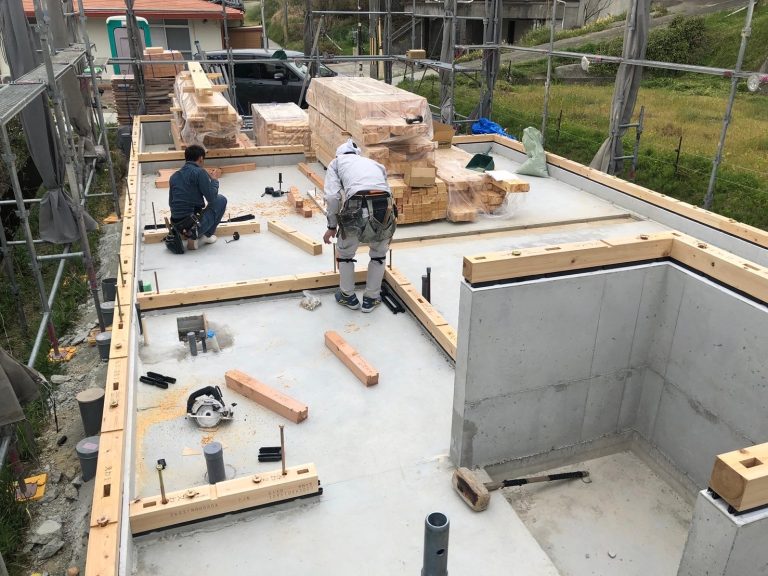
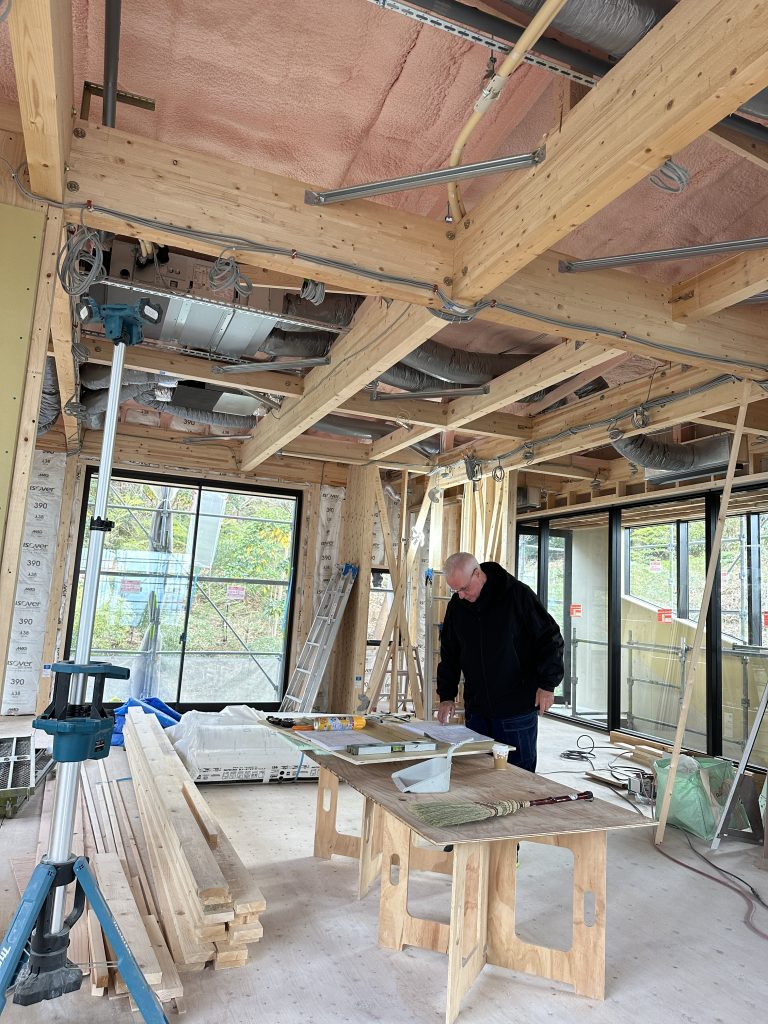
The precut system is the standard method for timber frame construction in Japan. Wooden components — beams, columns, panels, the structural skeleton of the building — are cut to specification in a factory using computer-controlled machinery, delivered to site pre-labelled and pre-measured, and assembled by the carpentry team. The precision is genuine. The efficiency is real. And the speed of assembly, once the frame arrives on site, is one of the things that makes Japanese timber construction competitive against other methods.

Author : Mark Smith

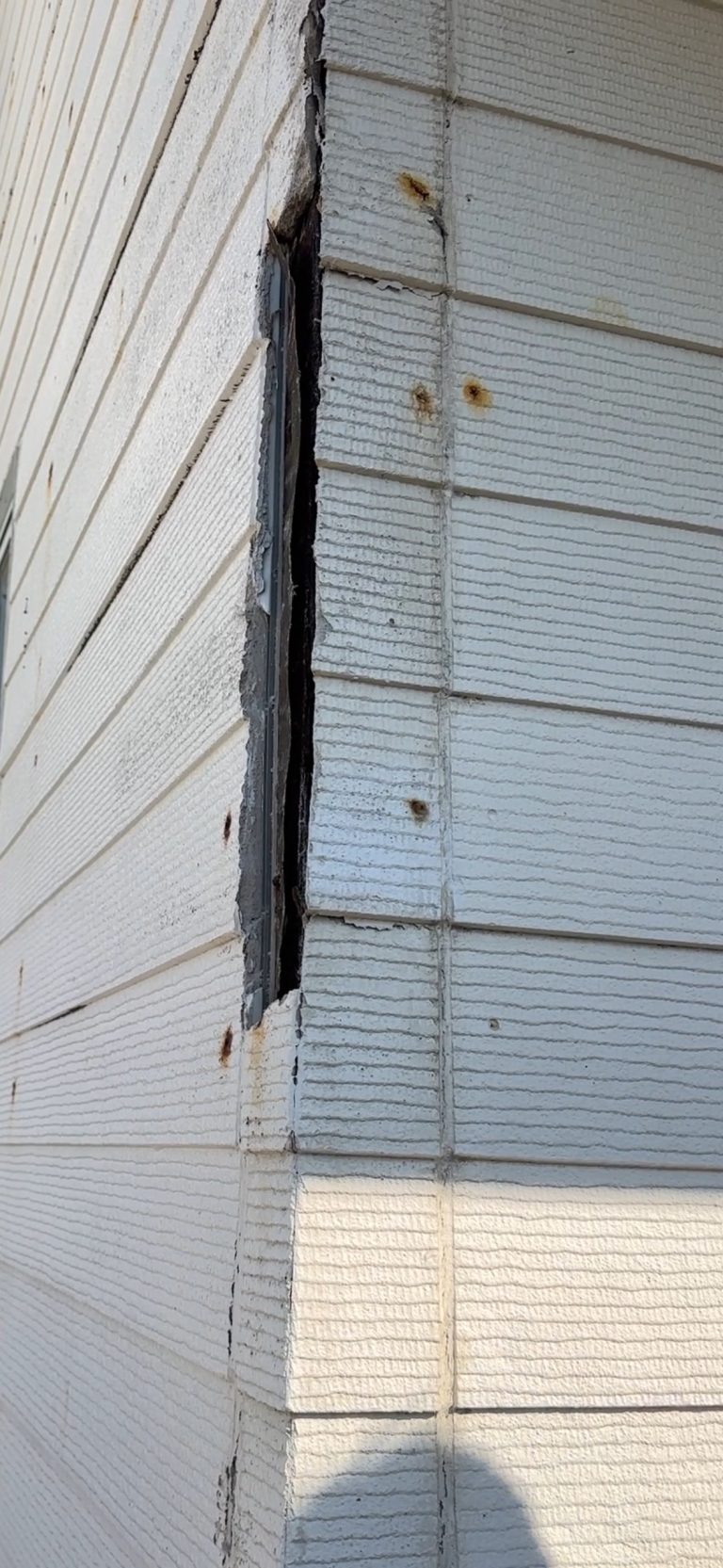
Asbestos was once a cornerstone material in the Japanese construction industry. It was widely used from the 1950s to the early 1980s and estimated to have been used in 2.8 million private buildings. Its unique combination of heat resistance, durability, and affordability made it particularly popular in various applications. These included insulation, roofing, flooring, cement products, and fireproofing materials in both residential and commercial buildings. Asbestos was used extensively in public and private sector projects, from high-rise buildings to schools, hospitals, and homes. Given its extensive use, its presence in these structures has become a lingering concern as the serious health risks associated with asbestos exposure became more apparent.

Author : Mark Smith

The Japanese building industry has transformed dramatically since the 1970s, driven by technological advancements, societal shifts, and the need for disaster resilience. Building code changes in 1986 played a crucial role. As a result, these changes helped shape the modern Japanese building industry. In summary, from rapid post-war reconstruction to today’s cutting-edge green buildings and disaster-resistant structures, the modern evolution of the Japanese building industry continues to set benchmarks in both design and construction.

Author : Mark Smith

Building Bridges: Connecting You to Japan’s Trusted Building Industry Direct access to Japan’s building industry for non-Japanese speakers is rare. Gaining repeated access at competitive rates is almost impossible. This is where the Japanese building expertise of Smith Realty stands out. Since 1996, our founders have built not just one, but an entire portfolio of residential apartment buildings in Hyogo, Japan. These projects are not only respected but have proven to be commercially successful. When the first building was completed, such an achievement was virtually unheard of for non-Japanese in Hyogo—or perhaps anywhere in Japan.

Author : Mark Smith

At Smith Realty, our journey has been shaped by recognizing and responding to unique opportunities. Seeking disparity in purchase and choosing teams that work efficiently together to produce cost savings in the build have become our trademark.

Author : Mark Smith

A deep understanding of the target area’s characteristics and renovation costs is essential before making an offer on used real estate. Established businesses expanding into new locations often possess this knowledge in-house, but this isn’t always the case. For residential projects, such as creating a home or apartment, having a working knowledge of the local environment is critical.

Author : Mark Smith