
Why We Invest in Japanese Real Estate — And What We Tell Clients Who Ask the Same Question
The question comes up regularly. Why Japan? Why not somewhere with stronger capital growth prospects, a more liquid exit market, or a currency tailwind that does the heavy lifting?
The honest answer starts not in Japan but in Australia. In the 1990s we held two-bedroom apartments in Burleigh Heads, Queensland — acquired at around AUD 160,000 each. The model was straightforward: borrow everything, accept that rental income would not cover the loan, top up the difference — roughly AUD 100 a month — and wait. We sold those apartments at AUD 600,000. The capital gain was real. The model worked.
Japan is not that market. It has never been that market. And understanding why is the most important thing we tell clients who arrive with a speculative model built on what worked somewhere else.
Japan Is Meat and Potatoes
Japan rewards yield discipline. It does not reward speculation. The investor who acquires land at an aggressive price, builds to sell, and expects the market to deliver a capital gain on the exit is bringing a playbook that Japan has been offered before. Since 1989 it has not bitten.
What Japan does is pay you while you hold. A building acquired at the right entry price, built to a defined specification, and managed at reasonable occupancy generates income from the day the first tenant signs. That income services the debt, produces a yield the bank can underwrite, and — if the entry point was correct — leaves a margin that compounds over time.
The model is not complicated. It is disciplined. And the discipline begins at the entry point, before the land is purchased and before the architect is called.
How the Kawanishi Portfolio Was Built
Our own portfolio illustrates the thesis more directly than any market commentary can.
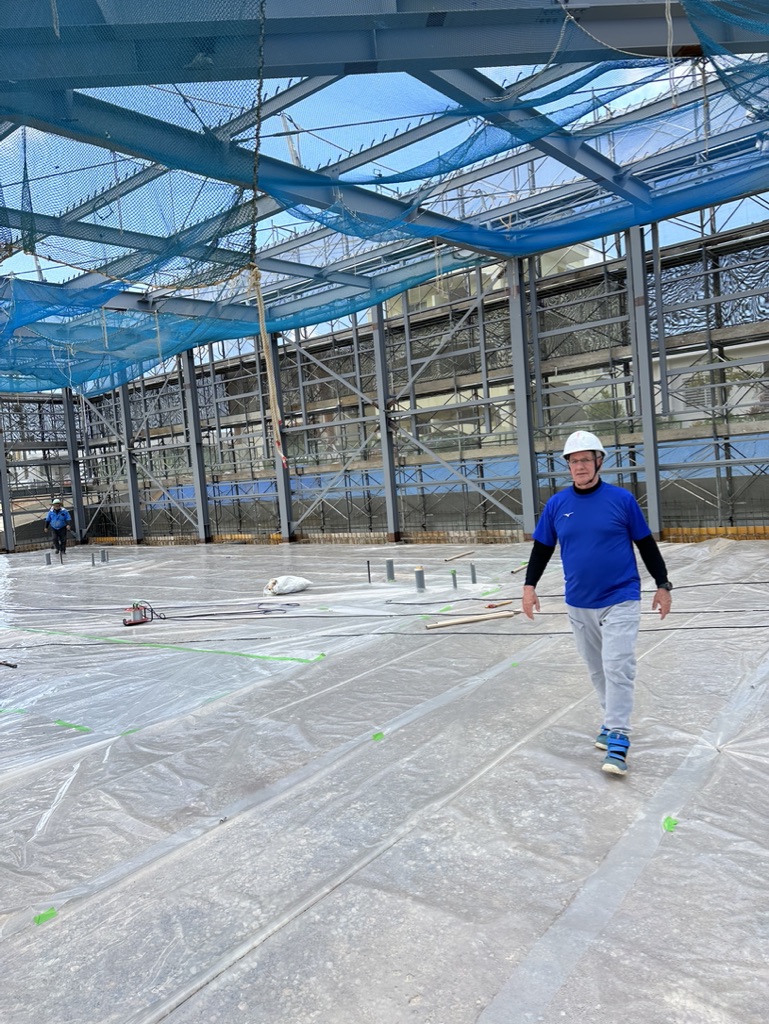
The land we acquired in Kawanishi was stigmatised. Adjacent to a leather processing facility — an industry that carries historical and social associations in Japan that depress surrounding land values significantly and durably. The market had priced that stigma in. Land that would otherwise have attracted residential development pricing was available at a fraction of the surrounding value. We understood why the discount existed. We also understood that the reasons for it were not permanent.
Municipal redevelopment programmes were already in motion. Infrastructure investment was following. The conditions that had kept the land underpriced were beginning to dissolve. We were not predicting the future — we were reading a situation that was already in progress and pricing it correctly before the market caught up.
The acquisition price was in the order of ¥125,000 per tsubo. The same land is now trading at around ¥800,000 per tsubo. That movement was not the thesis. The thesis was yield from day one. The building had to produce rental income that serviced the debt and left a working margin at the entry price we paid. The appreciation was a consequence of patient, disciplined holding. We did not build for it and we did not count on it.
Our Kawanishi apartment buildings perform because the entry point was correct and the buildings were built to a specification that tenants want and will pay for. It is not complicated. It is disciplined.
The Bank Relationship
A consequence of building that portfolio correctly, over time, is the relationship it produced with Japanese lenders. A track record of occupied buildings, consistent rental income, and debt serviced on time is what a Japanese bank needs to see before it extends meaningful leverage. That relationship is not available to a new entrant. It is earned through performance, over years, on real assets.
Today the banks come to us. Regularly. Sometimes literally — a relationship manager arrives, sits down, and asks whether we want to borrow more and build more. We say no. At 69, with a portfolio at the level we chose, extending further serves the bank’s interest more than ours. We are at the position we decided to build toward. The independence to say no to cheap money is one of the less visible rewards of having built correctly.
That position — not needing more, choosing to stop — is what gives us a genuinely unconflicted perspective when we sit alongside a client. We are not trying to grow our own portfolio through their project. We are not motivated by transaction fees or development margins. The outcome we are working toward is theirs.
What We See Now — and Why It Concerns Us
Something has changed in the market in recent years that is worth naming directly.
Cash-rich foreign buyers are acquiring land in Japan at prices that have not been seen before — and building to sell rather than to hold. The pricing model they are applying reflects what they expect from their home markets: acquire, develop, exit at a margin that justifies the risk. It is the Burleigh Heads model applied to Japan.
It might work. Japan might bite down on that hook. But since 1989, across multiple cycles and multiple waves of foreign capital arriving with models built elsewhere, it has not — and we have been watching this market long enough to say that with some confidence.
The domestic Japanese buyer base is yield-disciplined. It prices properties on what they produce, not on what a speculative seller hopes to realise. International buyers who might pay the exit premium are a thinner and less reliable market than the models assume. A building priced for a speculative exit in a market that prices on yield creates an overhang that does not resolve quickly.
We do not build to sell. We build to work the property — just as any business operates an asset it has invested in. The building produces income. The income justifies the investment. The exit, if it comes at all, is a decision made from a position of strength, not necessity.
Building a Custom Home in Japan — design, coordination, and build execution.
Subscribe to receive new articles from Smith Realty Japan.
What the Clients Are Doing
The clients we work with are not at the same point in that journey. Two recent project completions — one at ¥187 million, one at ¥1.64 billion — were not final projects for either client. Both had built before. Both are building after. These are serious investors with a clear thesis, access to capital, and a long runway ahead of them.
What they share with the model that built our own portfolio is the discipline: build product that earns. Not a bet on the exit. Income from the asset, yield that justifies the entry, a portfolio that compounds over time because the decisions at the acquisition and construction phase were correct.
The scale is different. The model is the same.
The Practical Case for Japan
For a client considering Japanese real estate seriously, the practical case rests on factors that have held consistently across decades of operating here.
The legal framework is clear and stable. Land ownership for foreign nationals is straightforward. Rental income is real, collectible, and — in a well-managed portfolio — remarkably consistent. Construction quality, when the right builder is engaged through a network that has been tested over time, is among the best in the world. And the market’s yield discipline — the same quality that frustrates speculative models — means that a building acquired and built correctly produces income that does not evaporate when sentiment shifts or a currency moves.
Japan does not deliver the Burleigh Heads exit. What it delivers is an asset that works every month, services its own debt, and builds a position over time that is genuinely independent of market mood. The investor who arrives understanding that — and who builds the entry point, the specification, and the financing around yield rather than exit — is in the right market with the right model.
We built our portfolio on that model. The clients who come to SmithRE are building theirs on the same one. The discipline is the same. The geography is the same. The network is the same.
And somewhere in that compounding, patient, yield-first holding — we sneak up on the IRR.
Our Insights reflect how we think about investing in Japanese real estate — the questions we ask, the trends we watch, and the reasoning behind the decisions we make for our own portfolio. We share them in the hope they’re useful food for thought, but they are not advice — just one active investor’s view of the market.
More Articles
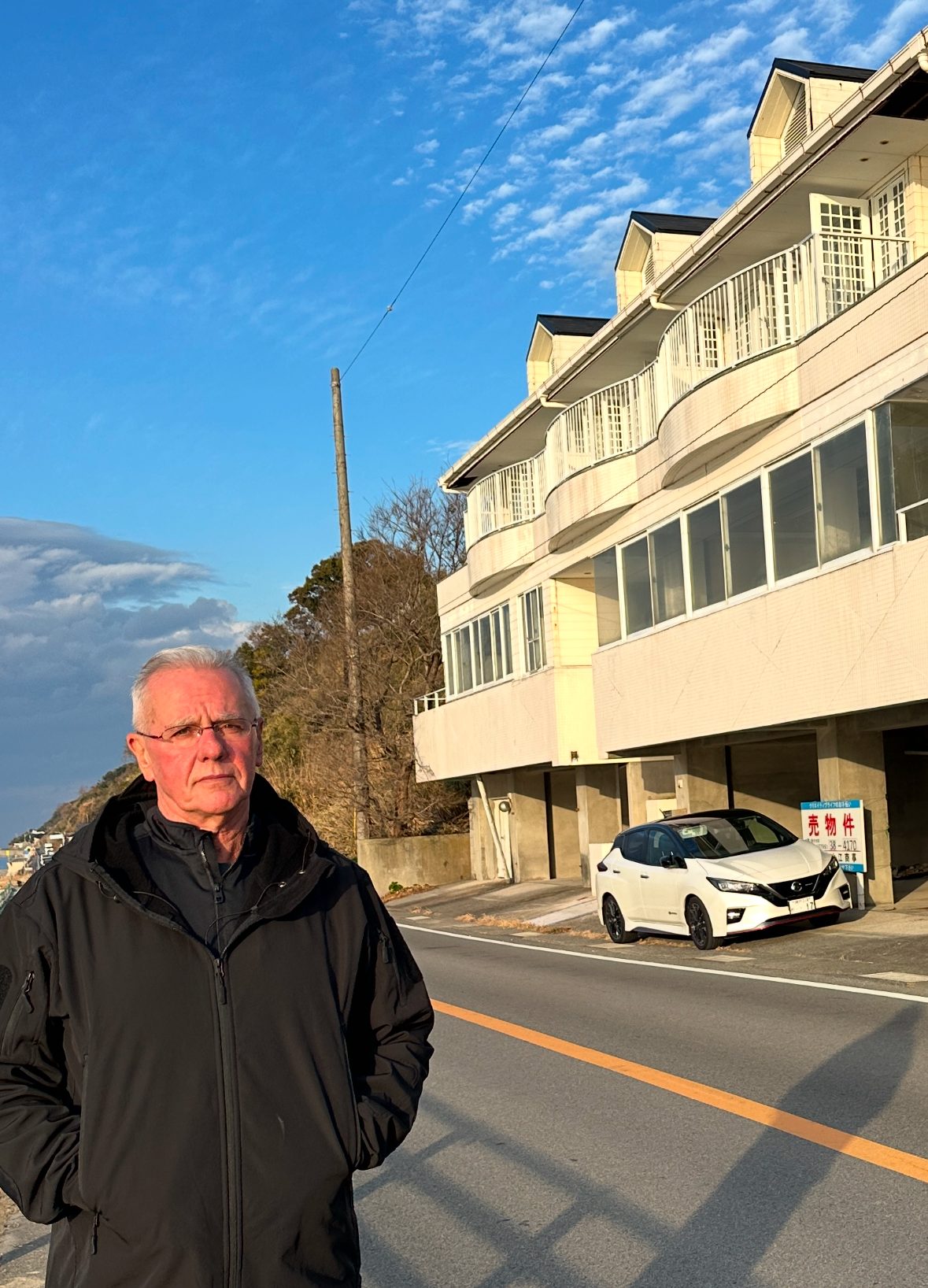
Japan’s real estate market opportunities present a unique landscape shaped by its economic policies, demographic trends, and evolving societal norms. ...
Author : Mark Smith
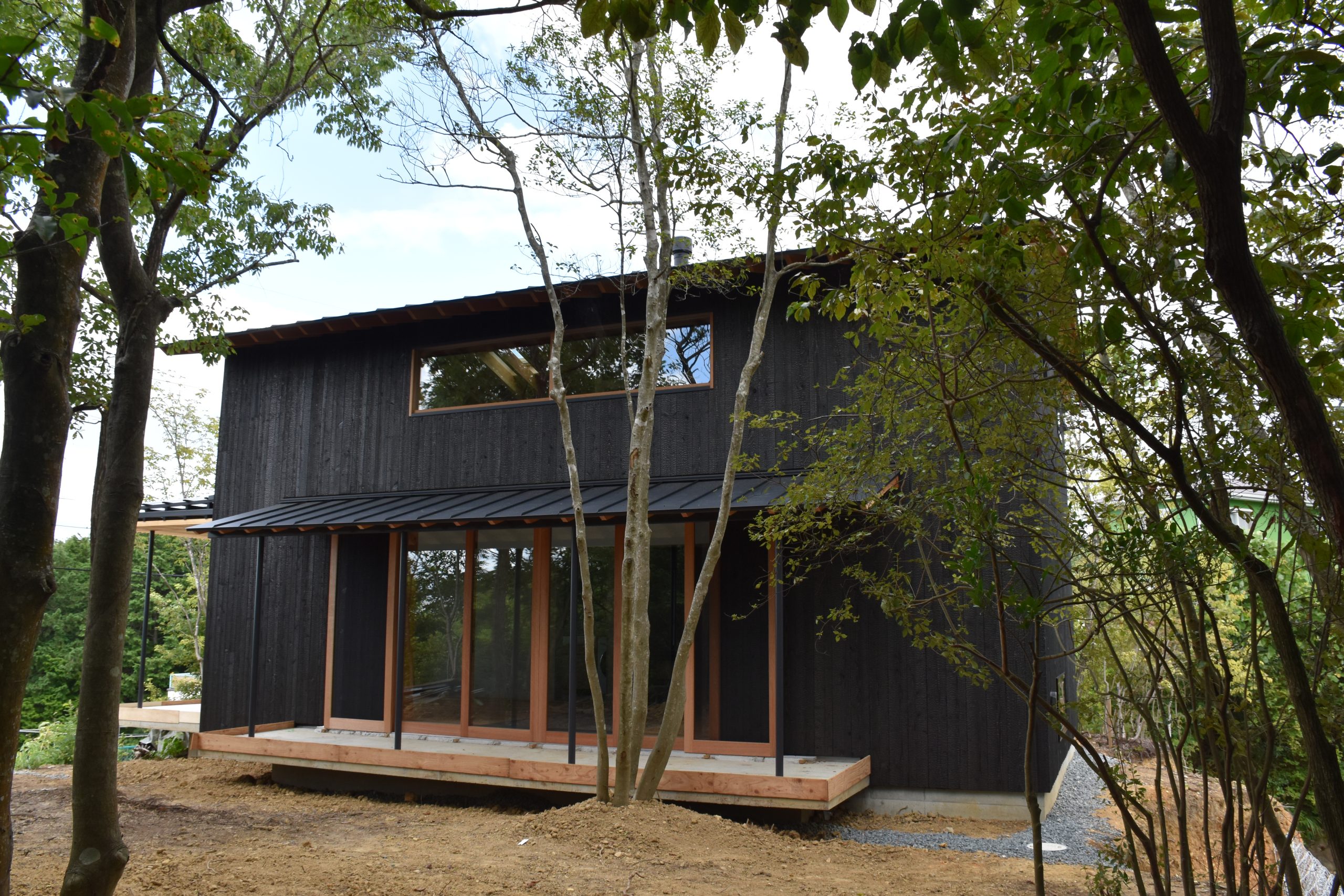
Japanese Architectual Elegance Introducing the Kato Villa – an embodiment of architectural elegance that harmonizes simplicity and nature. Designed as ...
Author : Mark Smith
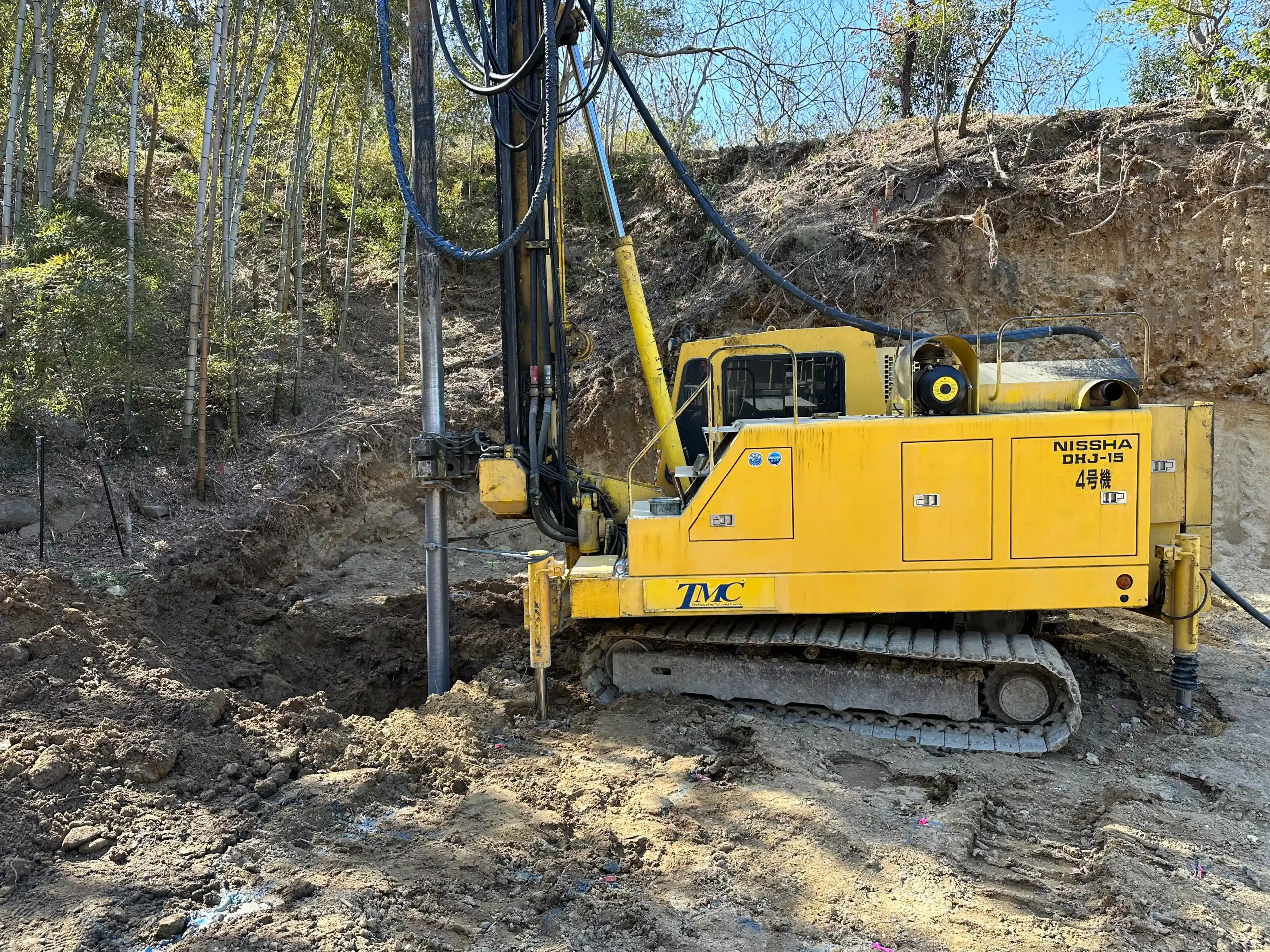
A geotechnical investigation , borehole testing or standard penetration testing , tells you what is beneath the surface before you ...
Author : Mark Smith
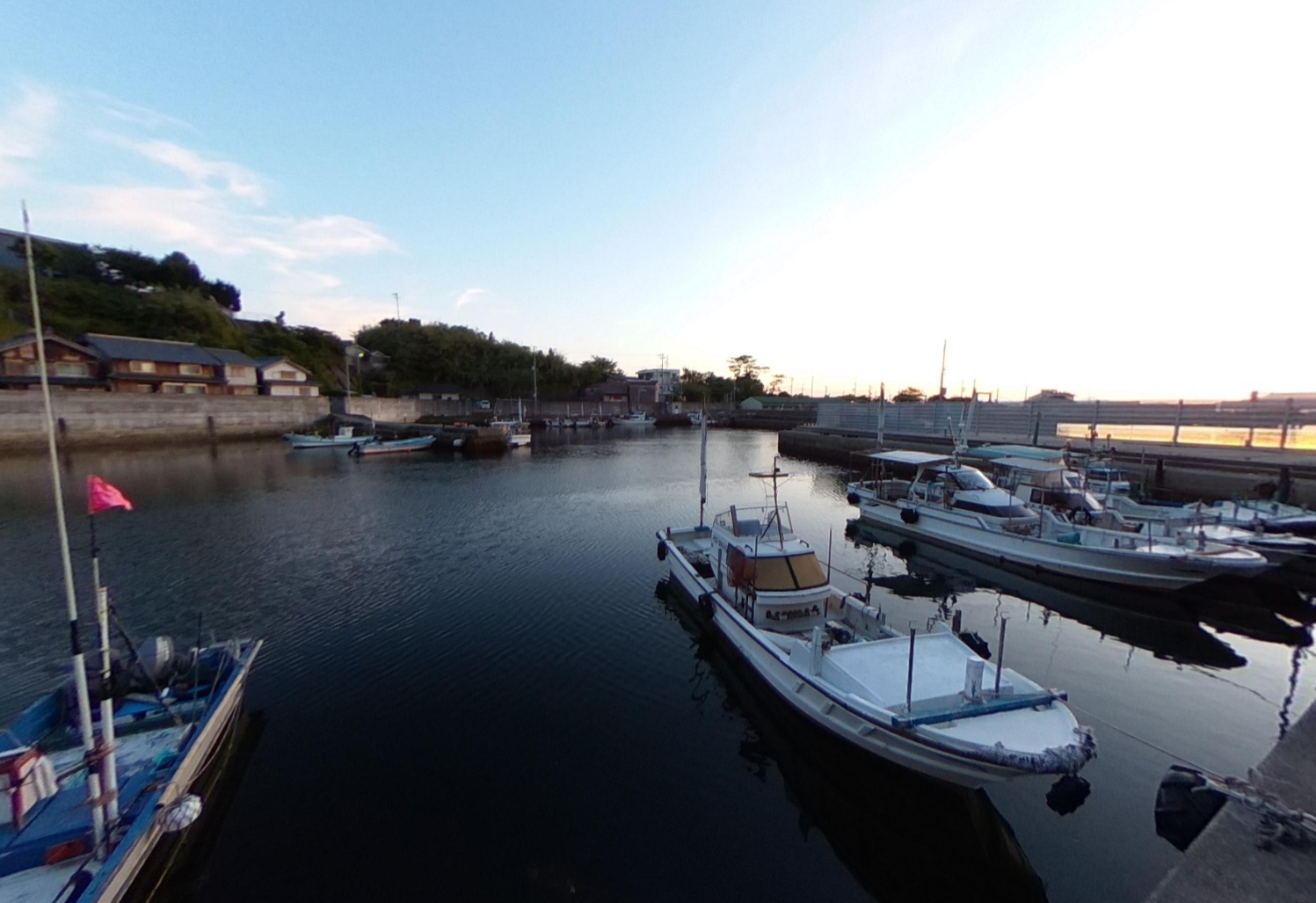
Just a short 10-minute ferry ride from Habu Ferry Terminal on Awaji Island's southern coast lies Nushima—a tranquil island sanctuary ...
Author : Mark Smith
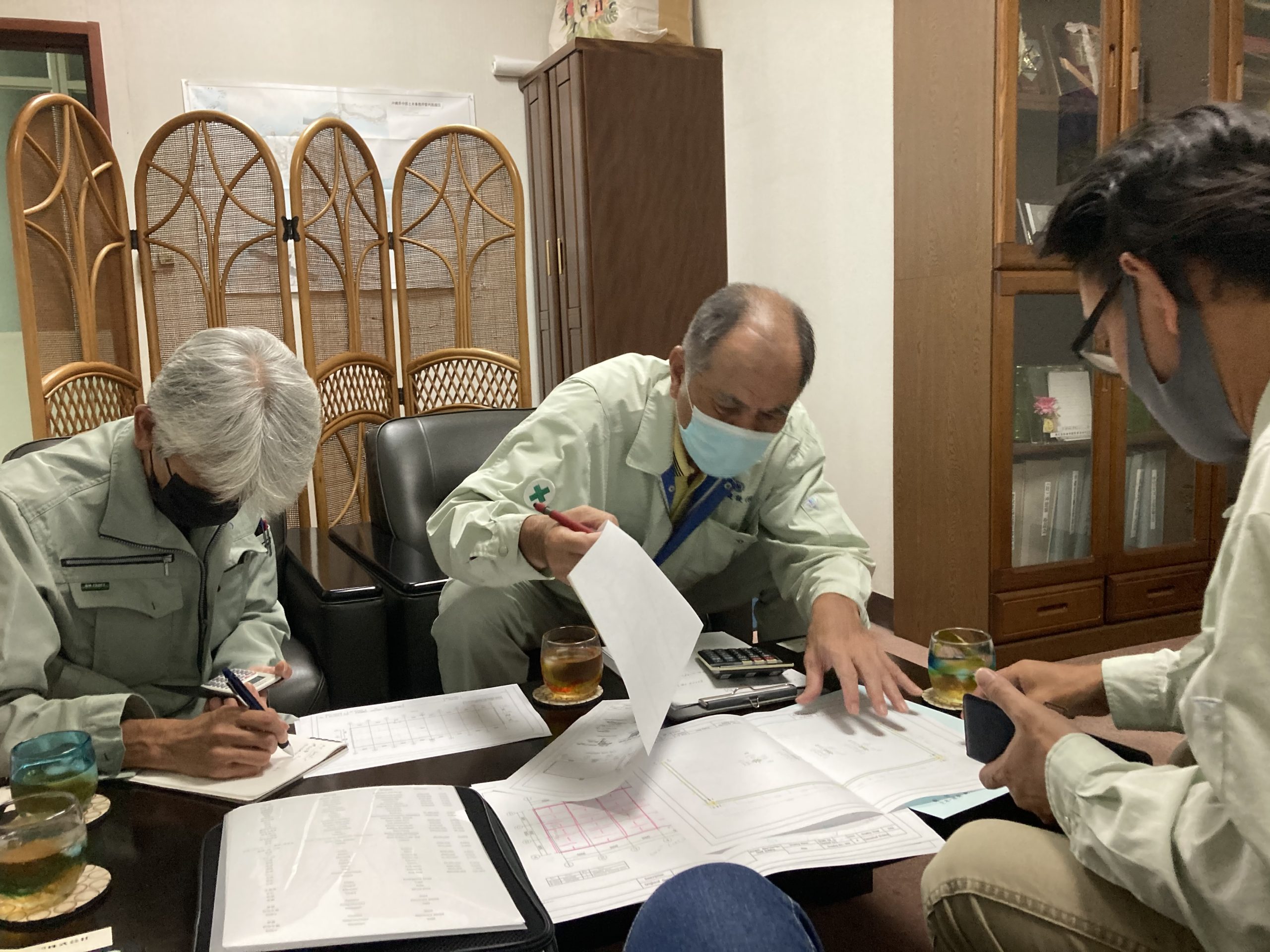
Building Bridges: Connecting You to Japan’s Trusted Building Industry Direct access to Japan’s building industry for non-Japanese speakers is rare. ...
Author : Mark Smith
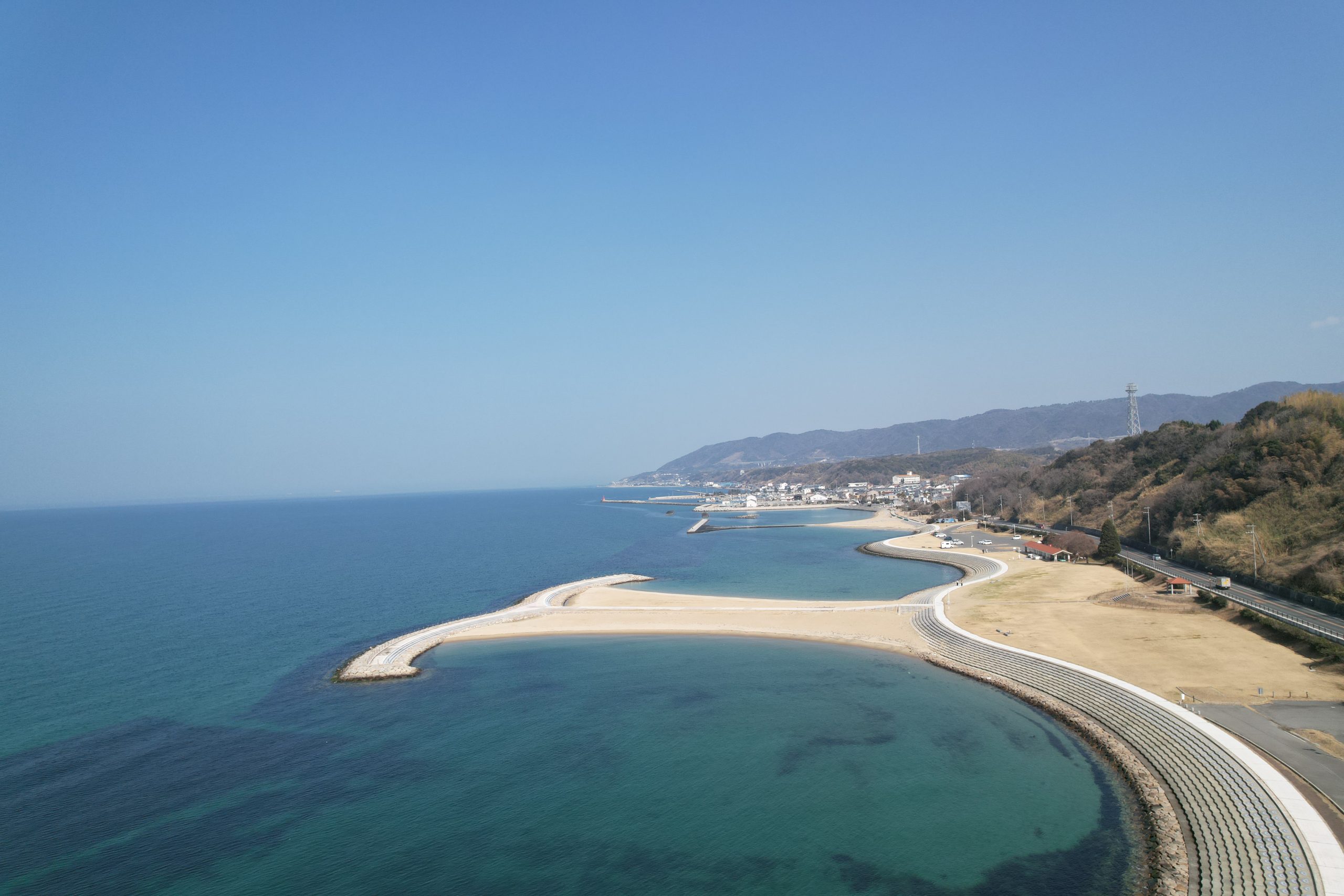
Japan’s relationship with its coastline is undergoing a significant transformation. While the nation has always been surrounded by ocean, 2024-2025 ...
Author : Mark Smith