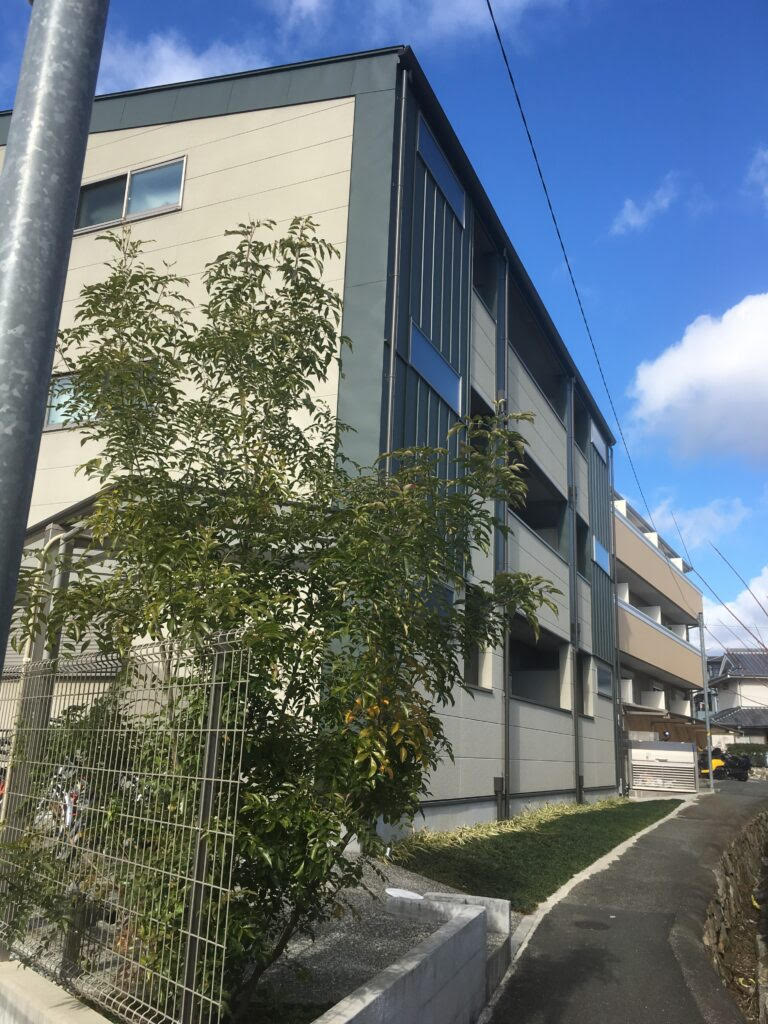
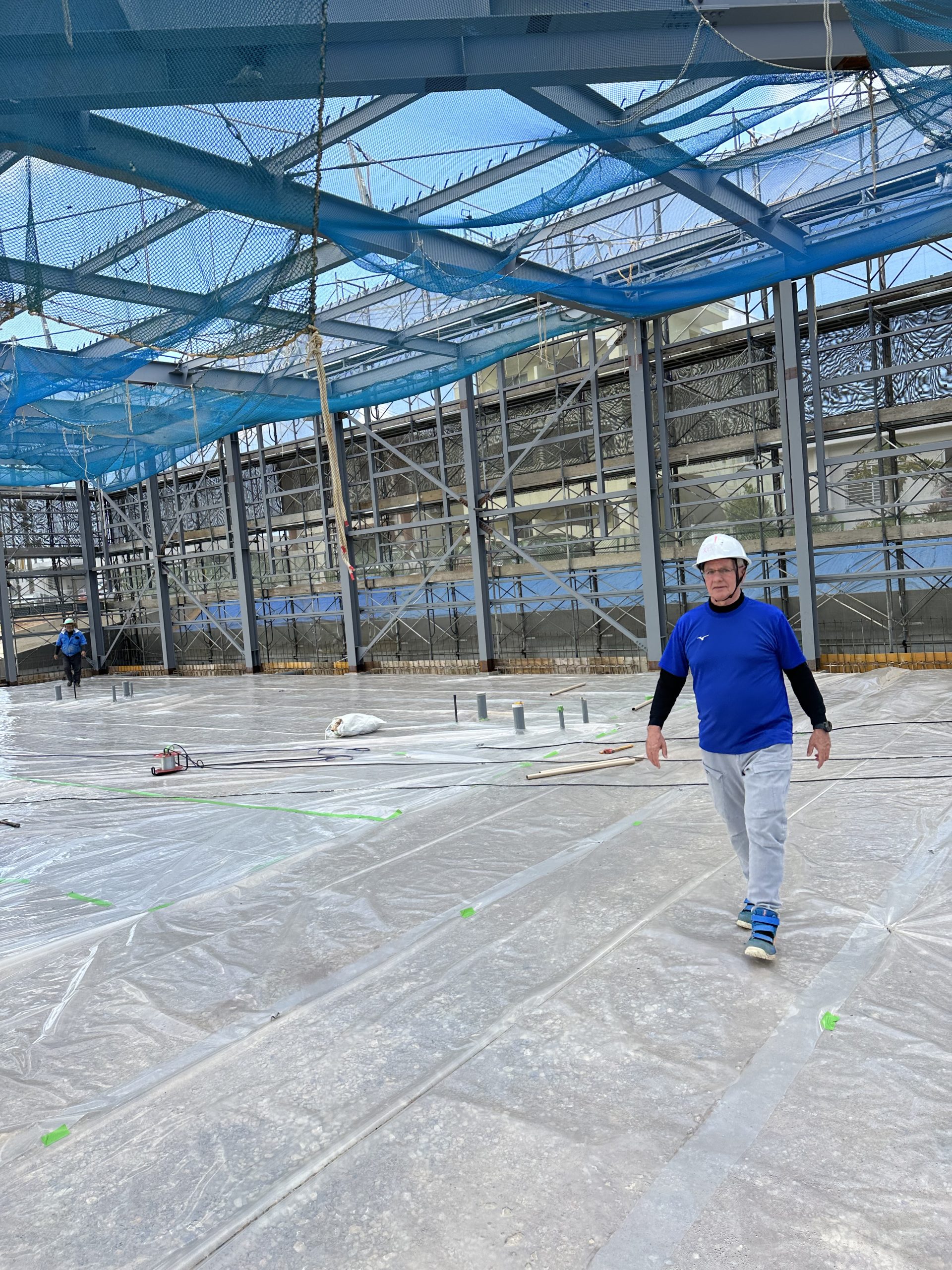
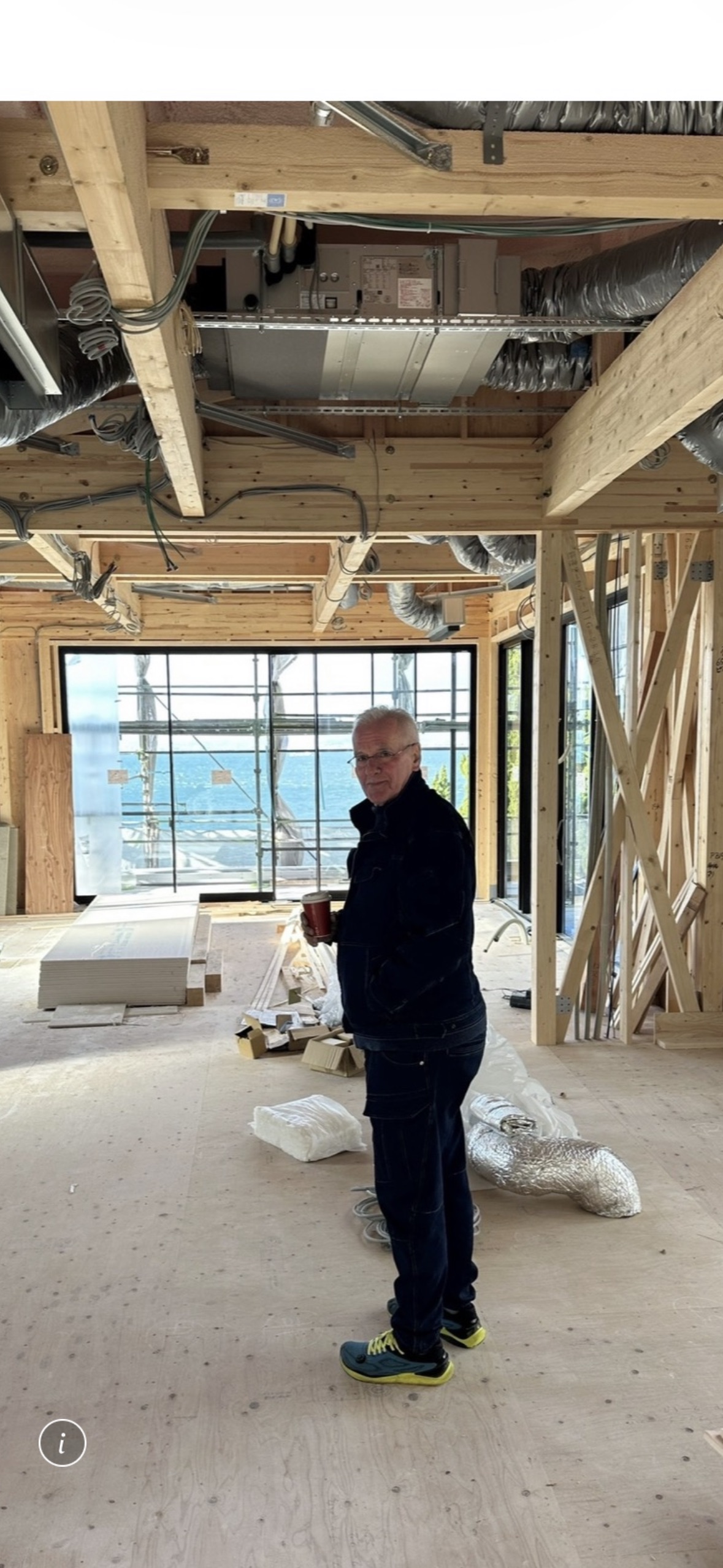
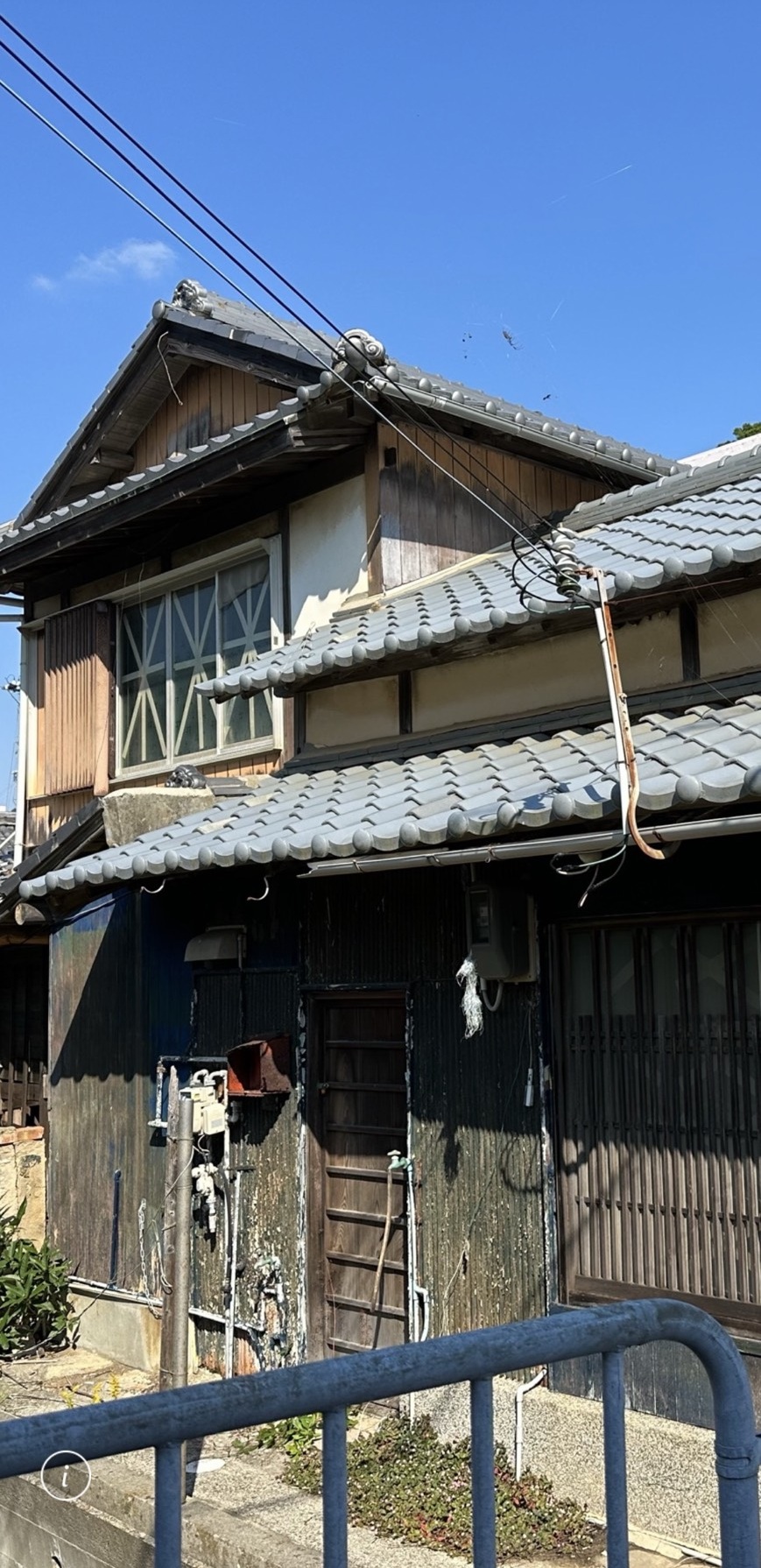
 When deciding whether to renovate or rebuild, many property owners in Japan face a challenging decision. While building new is appealing, renovating old properties in Japan offers unique advantages, especially when navigating zoning laws and regulations. Here are two key reasons why renovation might be the better option for your property.
Kenperitsu: Maximizing Your Building Potential
In Japan, kenperitsu, or Building Coverage Area, is an essential factor when deciding whether to rebuild or renovate. For example, a kenperitsu of 60/200 allows up to 60% land coverage and a total floor space of up to 200% of the land’s area. On a 100-square-meter plot, this translates to 60 square meters of coverage and up to three floors, totaling 180 square meters of floor space.
However, many older buildings exceed modern kenperitsu regulations because they were constructed under outdated rules. For instance, a property with 250 square meters of floor space on a 100-square-meter plot would no longer comply with today’s standards. If you demolish and rebuild, the new structure must meet the current kenperitsu, often reducing the usable floor space. Renovating old properties in Japan allows you to retain the existing structure and make full use of the original floor space without sacrificing size.
Setback Rules: Protecting Your Land
Setback rules are another crucial consideration. These rules are designed to widen roads to meet modern traffic demands. While beneficial for city planning, they can result in a reduction of usable land for property owners. Additionally, property owners are often required to pave the setback area and, in some cases, gift it to the local government to avoid future maintenance disputes.
When renovating old properties in Japan, setback rules typically do not apply. This allows you to preserve the original footprint of your land and avoid losing valuable space. As a result, renovation is an excellent option for those who want to retain their land while avoiding the additional costs associated with setbacks.
The Practical Case for Renovation
Renovating old properties in Japan is a cost-effective and practical solution that allows property owners to modernize their homes without compromising on space. By bypassing modern kenperitsu and setback rules, you can preserve the full potential of your property while avoiding costly land adjustments.
If you are weighing renovation against rebuild on a Japanese property, the 30-minute consultation at the bottom of this page is the right place to start.