
Asbestos in Japanese Buildings: What a Feasibility Study Actually Looks Like
As consultants, we are sometimes asked to support architectural teams in initial planning, where the objective is to establish the true cost of land acquisition — including preparing the land for construction. In this case study, demolition formed part of the scope, and we commissioned an initial demolition quote for the building, to include a condition. Standard practice on older structures in Japan — typically those built prior to the 2006 asbestos ban — is to proceed subject to official laboratory asbestos results. The client understood. The survey was commissioned. When the results came back, the scope — and the quote — changed.
That sequence — conditional quote, survey, revised scope, is how asbestos enters an acquisition feasibility study in our work. But laboratory results take time. And investment decisions do not wait.
Buyers working through a live acquisition cannot always hold a decision open while an asbestos survey moves through the lab. When a client is at that point — survey commissioned, results pending, decision clock running — we provide a rough non-binding estimate of what the scope and cost would look like if the result comes back positive. Not a guarantee. Not a contract. A modelling input that allows the buyer to run both scenarios: clean result, and positive result. That way the acquisition decision is made with eyes open, regardless of what the lab returns. When the official results land, the conditional quote is revised to reflect the actual find.
On the Fukukusa project, the survey did not come back with a minor find in an isolated location. It came back positive on the entire exterior cladding and several interior walls. The scope changed materially. The timeline changed. And the first operational problem — before a single piece of asbestos had been touched — was finding a licensed removal team with availability.
What the Survey Found
The building was a distressed hotel on the coastal highway at Fukukusa, southern Awajishima. Long vacant. The client’s investment thesis was sound: acquire at distressed pricing, demolish the deteriorated upper floors, retain the reinforced concrete ground floor, convert to four Minpaku residences. The feasibility study had to be honest about what stood between the acquisition price and that outcome.
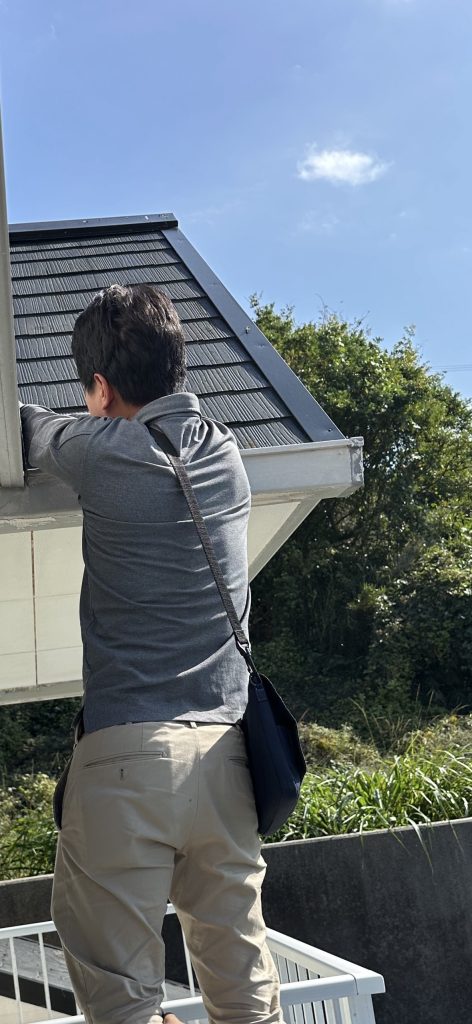
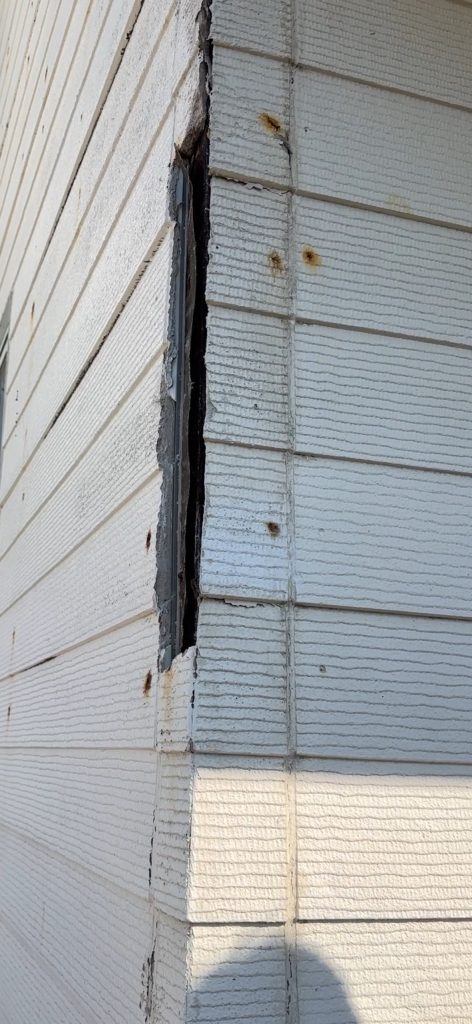
Asbestos survey results in Japan come back in categories. Presence confirmed or not confirmed, material type, location, and volume. On the Fukukusa building the result was unambiguous — asbestos-containing materials throughout the exterior cladding and in several interior wall assemblies. Not a contained find in a single location that a targeted removal team could address in a day. A building-wide condition that had to be resolved before any structural demolition could proceed.
The regulations are clear on this. Asbestos pre-surveys are required prior to demolition or significant renovation works. If asbestos is confirmed, licensed specialist removal must precede structural work. The demolition contractor cannot proceed until the asbestos contractor has completed and signed off. That sequencing is not negotiable, and it is a programme variable that most acquisition feasibility models never account for — because most buyers assume the survey will come back clean, or that removal will be straightforward.
On Fukukusa, neither assumption held.
The Access Problem
A coastal highway runs directly in front of the Fukukusa site. Two floors up. No viable staging area between the building and the road. Standard demolition methodology on a constrained urban site assumes you can park equipment roadside, work from the front, and load materials directly onto trucks. On this site that was not possible. Parking demolition trucks on a major coastal highway and dropping asbestos-containing materials two floors into roadside vehicles was not a solution — operationally, regulatorily, or safely.
The access problem had to be solved before the asbestos team could be scheduled. Without a clear equipment route and a safe materials handling plan, the removal could not proceed.
The solution was behind the building. A block of vacant land ran from a side road to the rear of the demolition site. We negotiated access to that land, brought in excavators and dozers, and built a temporary road across it. Equipment entered from the side road, worked from the rear, and materials moved out the same way. The coastal highway remained clear throughout the entire project.
That decision — identify the constraint, find the route, build the road before the specialist team arrives — is representative of how complex demolition projects in Japan actually have to be managed. The asbestos contractor works within a defined safe operational envelope. Creating that envelope is the coordination responsibility that falls to whoever is managing the project.
The Removal
With site access resolved and the licensed asbestos removal team scheduled, the removal proceeded under controlled conditions. Exterior cladding first — the largest volume and the most exposed. Interior wall assemblies followed. Every phase conducted under the regulatory framework that governs hazardous materials removal in Japan: contained work zones, licensed personnel, documented disposal to compliant facilities.
The highway proximity was a constant variable throughout. Not just during asbestos removal — through every subsequent phase. Equipment operating on the rear access road worked with limited overhead clearance. Every reverse gear shift by every excavator operator required precise judgment. The highway was metres away. There was no margin for error and no room to be casual about it. That sustained level of operational discipline, across weeks of work, is what site constraints mean in practice — not a line item in a report, but a daily reality that the people on the ground have to manage.
Reform & Renovation in Japan — structure, process, and project execution.
Subscribe to receive new articles from Smith Realty Japan.
The Removal
The asbestos removal was not the only below-grade complexity on the Fukukusa site. The existing septic system was located in the far right section of the ground floor garage — visible from the ocean side of the building. Long vacant properties in Japan accumulate deferred infrastructure problems, and a hotel-scale septic system that has been sitting unused is one of them. The old system had to come out before the converted Minpaku units could be commissioned with new infrastructure.
Removal of the old septic system was its own careful operation. What followed was more demanding. The new septic installation required an excavation: five metres wide, five metres across, five metres deep. On a site where every equipment movement was already constrained by overhead clearance and highway proximity, a 5x5x5 hole in the ground introduced a new set of variables. The excavator working that hole operated with minimal clearance above and the highway immediately behind. Every bucket load, every repositioning, every reverse move was calculated. The margin for error did not increase because the hole got deeper.
This is infrastructure work that appears nowhere in a standard acquisition feasibility model for a distressed hotel conversion. It is the kind of cost and programme variable that only becomes visible when someone with direct site experience looks at the building before the numbers are committed.
What This Means Before You Commit
The Fukukusa project illustrates how a straightforward investment thesis — acquire distressed, demolish upper floors, convert retained base — encounters the real conditions of a real building. The thesis was correct. The outcome was four architect-designed Minpaku residences on a coastal site with Seto Inland Sea outlook. But between the acquisition decision and that outcome sat an asbestos survey that came back building-wide, an access problem that required temporary road construction, a licensed removal team that needed scheduling, and a septic excavation that required precision equipment operation in a constrained space.
None of those variables are unusual for a pre-1989 building in Japan. Government estimates indicate that approximately 2.8 million private buildings were constructed using asbestos-containing materials. (1) All of them belong in a feasibility model before acquisition, not after.
For older structures — residential, commercial, or mixed-use — the asbestos survey is a non-negotiable first step. Not because it will always come back positive, but because when it does, the scope, cost, timeline, and access planning all change. In our sphere, it is not unusual to see a survey commissioned after the acquisition price is committed. We would suggest that the survey result is best used to inform the price, rather than follow it.
Beyond the survey itself, the questions a feasibility study should address: Is a licensed removal team available within your programme timeline? What does site access look like for specialist equipment — not just for demolition, but for the removal phase specifically? Are there below-grade infrastructure obligations — septic, drainage, contamination — that will appear once the building is opened up?
These are not hypothetical risks. They are the conditions we found on a real project, managed through, and delivered. The Minpaku conversion at Fukukusa is complete. Four residences, coastal outlook, Seto Inland Sea. Built on a foundation that cost a fraction of new construction — but only because the feasibility work was honest about what the building actually contained and what it would actually take to clear it.
Our Insights reflect how we think about investing in Japanese real estate — the questions we ask, the trends we watch, and the reasoning behind the decisions we make for our own portfolio. We share them in the hope they’re useful food for thought, but they are not advice — just one active investor’s view of the market.
More Articles
At Smith&Co, we regularly work with two leading Japanese warehouse manufacturers, Kakuichi and Inaba. Based on decades of real estate ...
Author : Mark Smith
Navigating Japan’s Unique Real Estate Market: Navigating Japan’s Okinawan estate market can be exciting, particularly in the warehouse sector. While ...
Author : Mark Smith
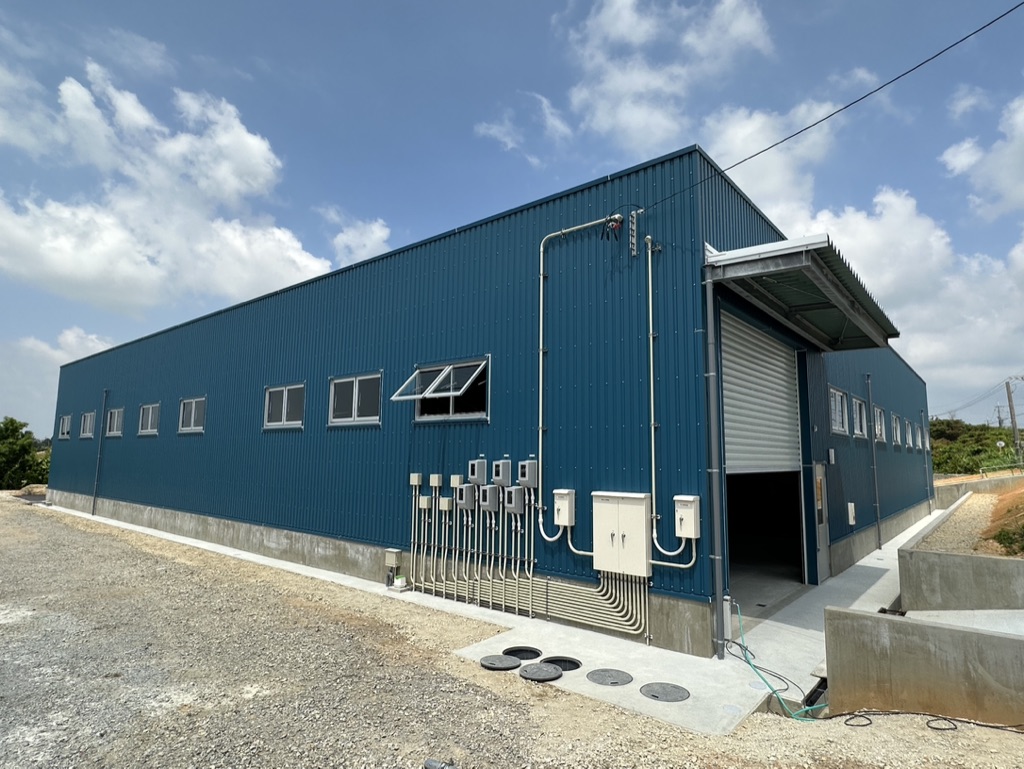
For many investors, purchasing land feels like the decisive step in a development journey. Once ownership is secured, the assumption ...
Author : Mark Smith
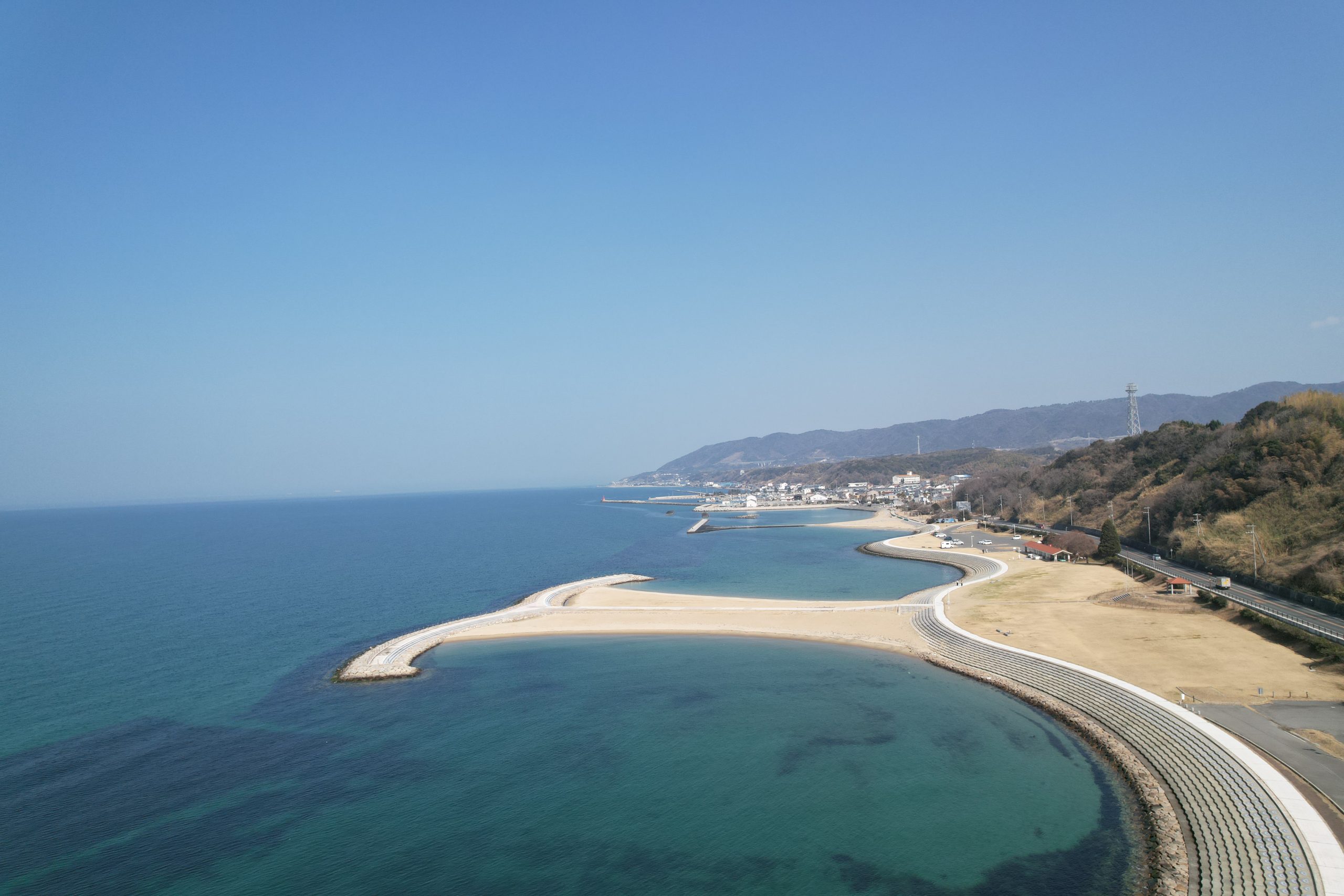
Japan’s relationship with its coastline is undergoing a significant transformation. While the nation has always been surrounded by ocean, 2024-2025 ...
Author : Mark Smith
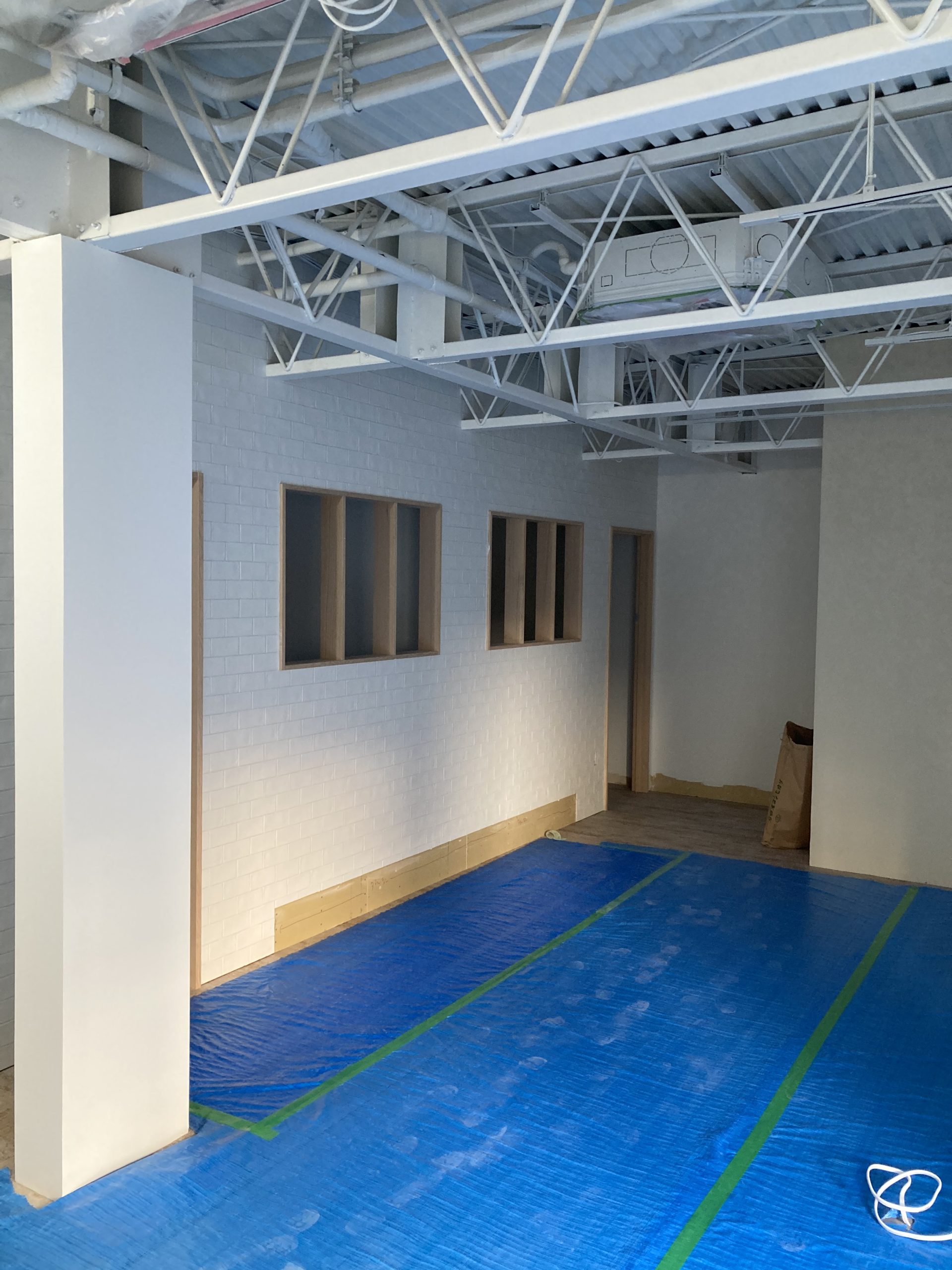
A deep understanding of the target area’s characteristics and renovation costs is essential before making an offer on used real ...
Author : Mark Smith
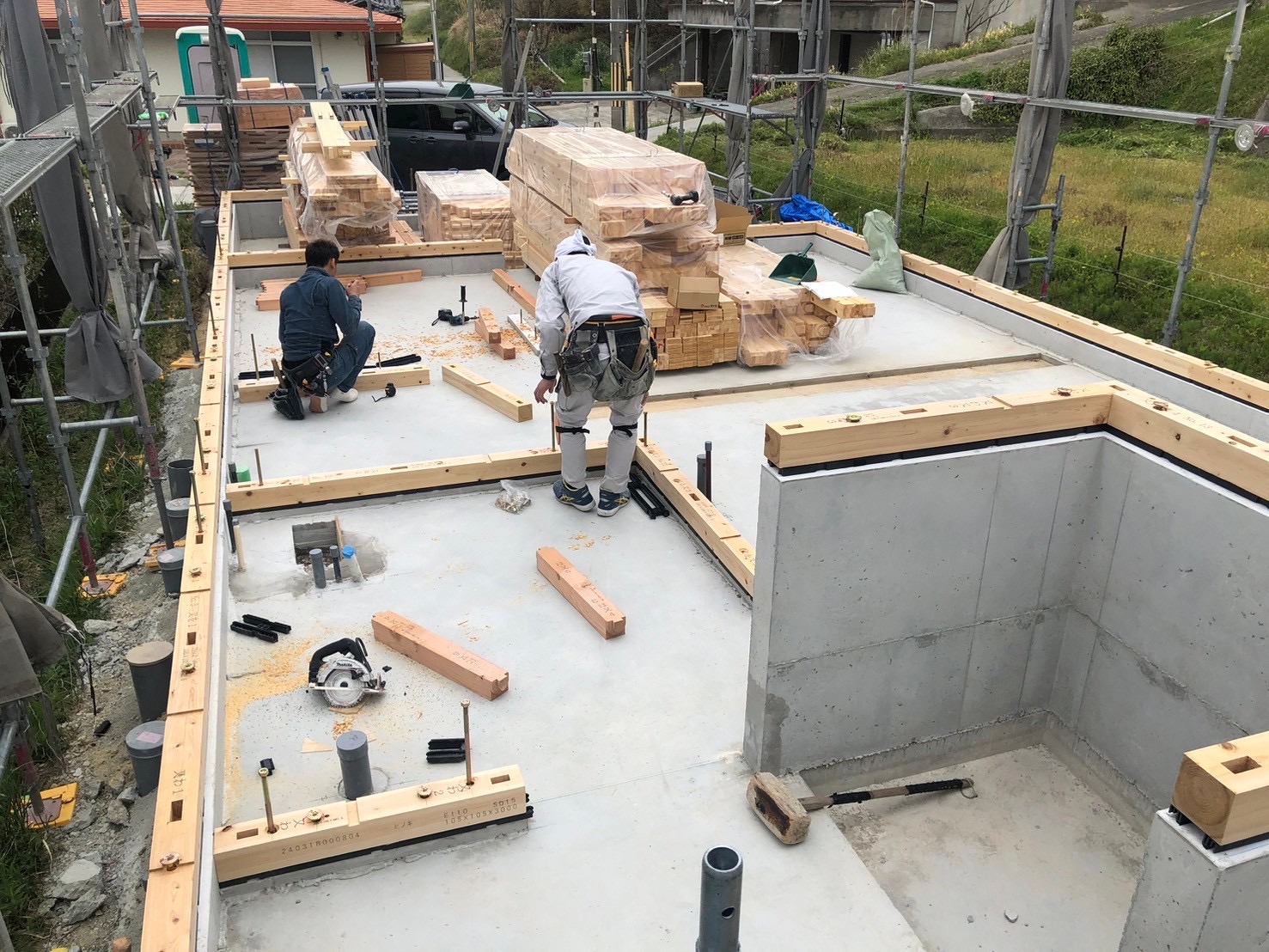
The precut system is the standard method for timber frame construction in Japan. Wooden components — beams, columns, panels, the ...
Author : Mark Smith