Insights

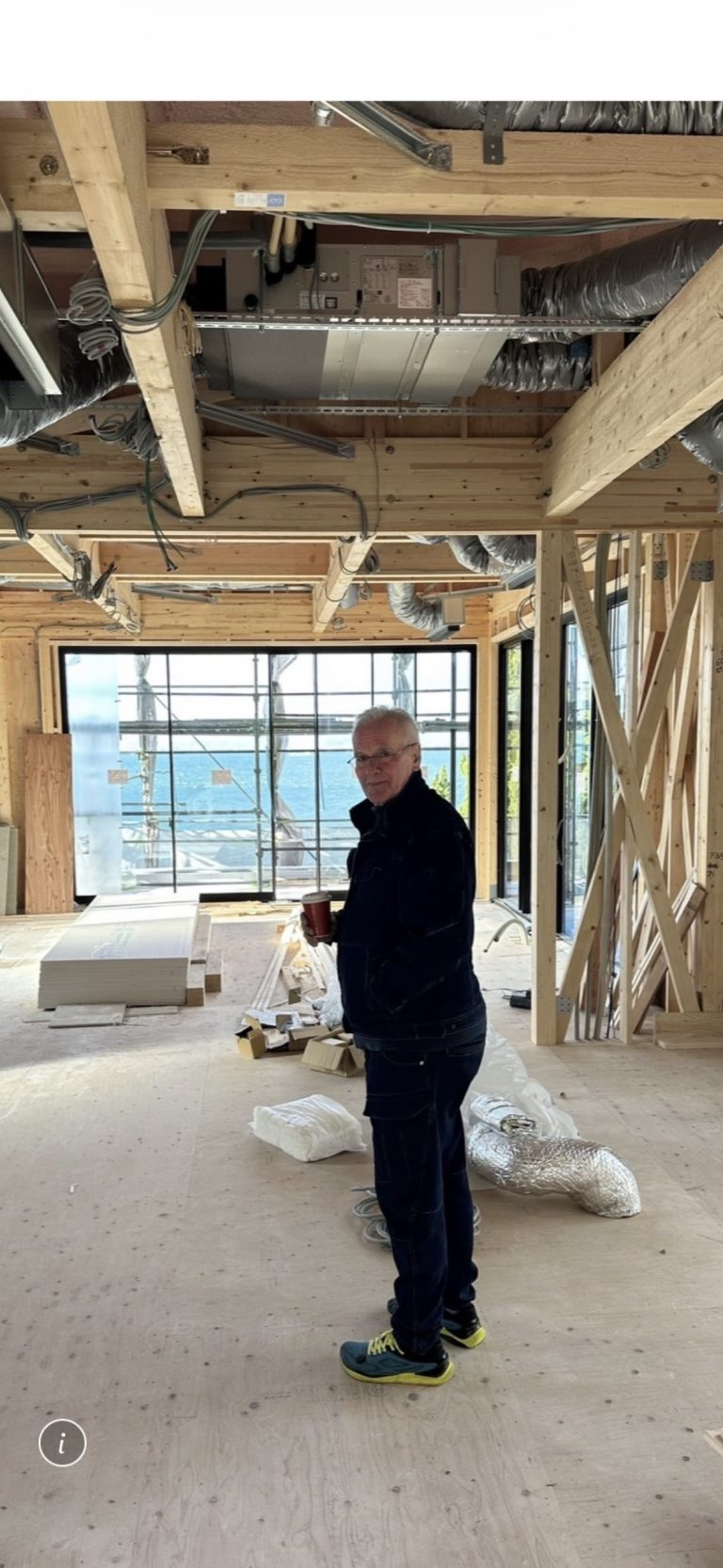
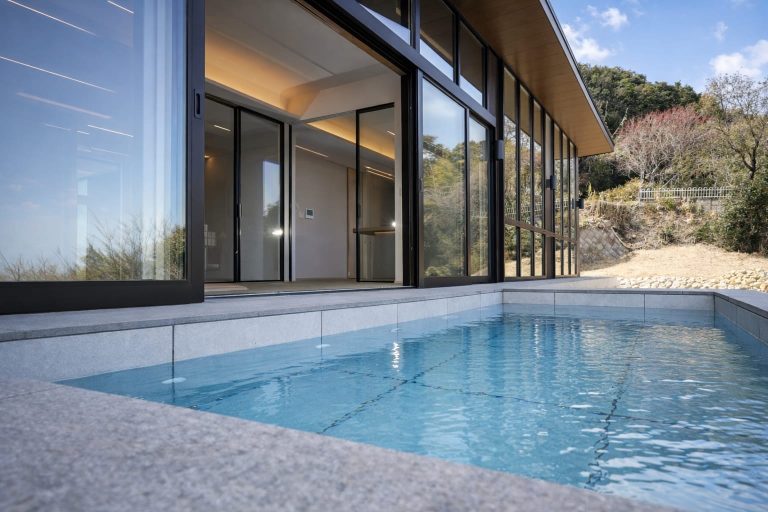
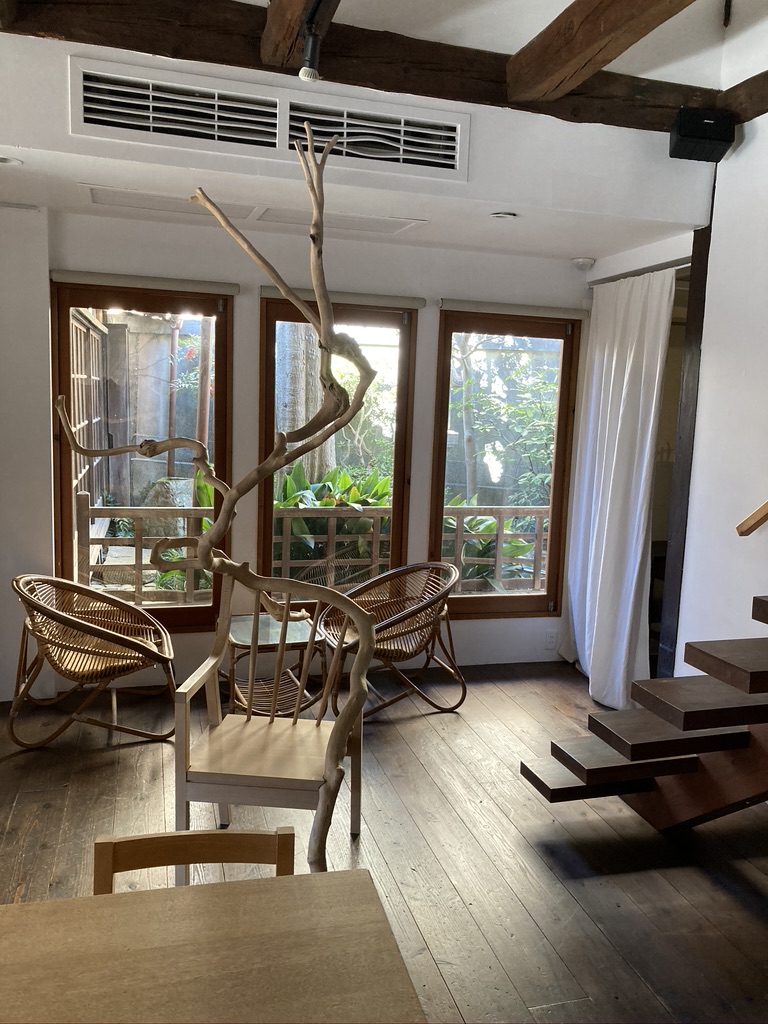
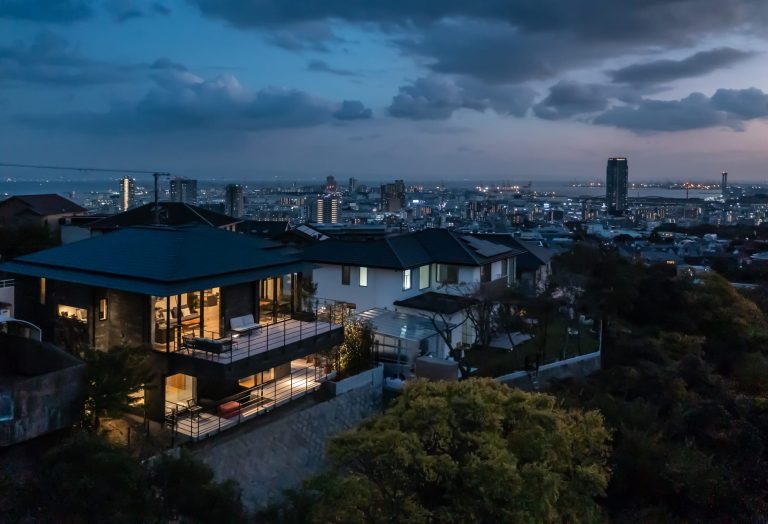
Renovation in Japan covers a wider spectrum than most buyers and investors initially appreciate. It ranges from the careful restoration of a century-old timber kominka, every joint hand-cut, every tile reseated by someone who understands what they are working with, to the demolition of a failed hotel's upper floors and the architectural conversion of its retained concrete base into four Minpaku residences.

Author : Mark Smith

Why investor-led buy-and-build-for-rent has narrowed in Japan, land prices up, construction cost increases, yield compression, and what is replacing it.

Author : Mark Smith

Six months after handover on a completed project, a prefectural tax bill arrives. The owner was not expecting it. The project was finished, the keys had been handed over, and the file, in the owner’s mind, was closed. The bill was not large relative to the total project cost, but it was real, it was due, and it had never been in the budget. That conversation happens more often than it should. On the projects we consult on, we aim to raise these costs at the land acquisition stage or at the point of receiving builder quotes, whichever comes first. Early visibility is the objective. This article explains what they are, how they are structured, and when they arrive.

Author : Mark Smith

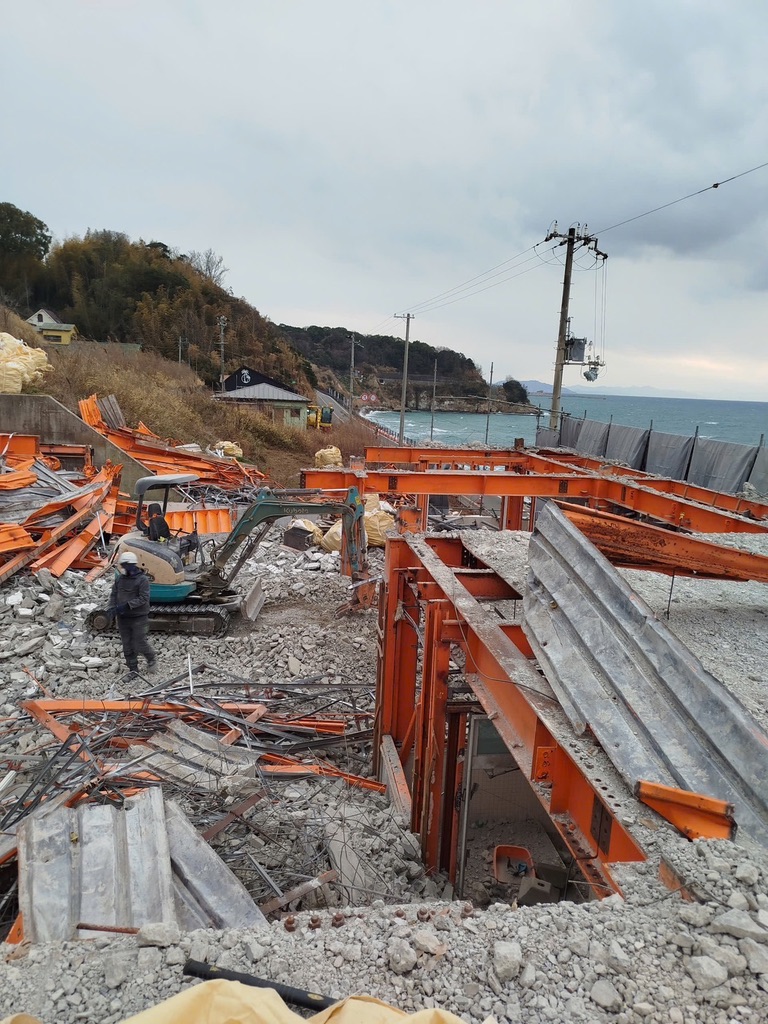
As Japan real estate consultants focused on Awaji Island’s west coast, we are increasingly being asked the same question: where is this coastline heading? We don’t have a crystal ball. What we do have is direct experience of the land market here, finding sites, negotiating acquisitions, delivering projects, and a set of observations drawn from that work and from comparable situations elsewhere that we think are worth sharing.

Author : Mark Smith

Field notes on the Tsuruoka Miyazawa property, an active 2026 consulting case. A client asked me to review a rural property. I have withheld the address and listing details as the property was on the market at the time this was written. What follows is the assessment summary I sent them. I’ll look at this the only way I can, from how I would approach it myself, standing in Japan and working through these projects in real conditions, not from how they are usually presented.

Author : Mark Smith

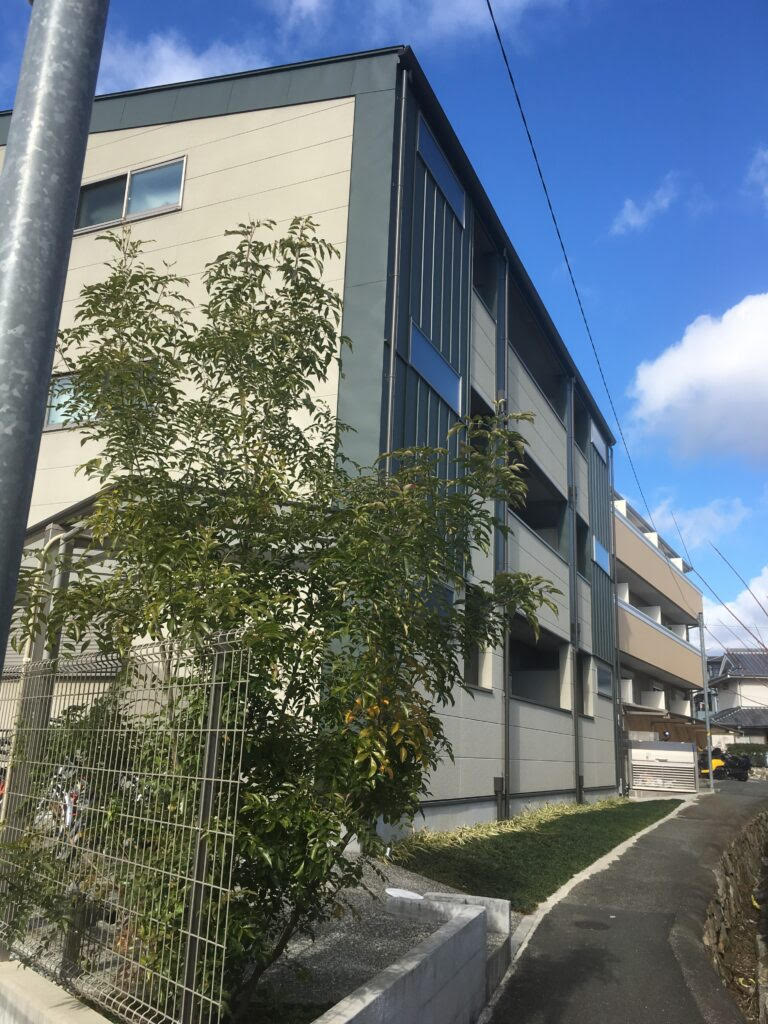
SOFIEL III is an income-producing residential apartment building in Japan, developed for and operated by Smith Realty Japan investors. For SOFIEL III, that moment began with a decision. Not to build for appearance, speed, or short-term gain, but to build for long-term performance. Sixteen years later, operating at approximately 97% occupancy, that decision continues to hold.

Author : Mark Smith

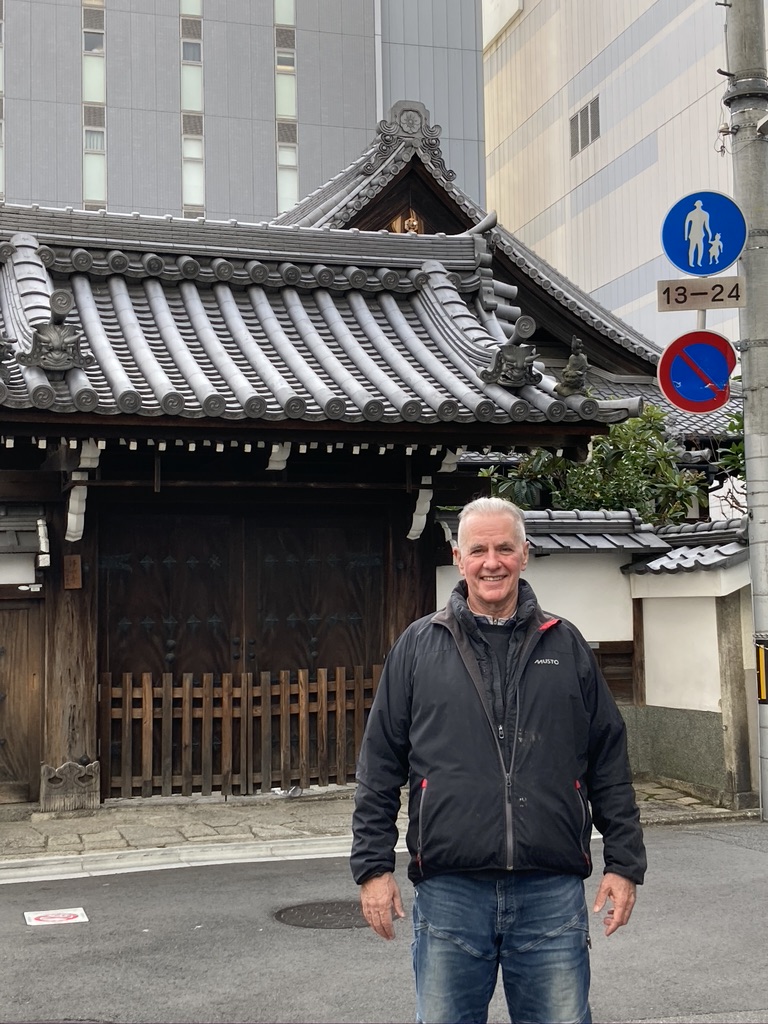
Japan’s traditional farmhouses, kominka, are found across the country, but those of the Kansai region carry a character that sets them apart. Shaped by centuries of commerce, culture, and climate, Kansai kominka reflect the particular history of Japan’s ancient heartland, the seat of imperial power, the engine of merchant culture, and a landscape that ranges from the inland basin of Nara and Kyoto to the coastal plains of Hyogo and the mountainous interiors of Wakayama and Shiga. Understanding what makes Kansai kominka distinctive is not simply an architectural exercise. For buyers and investors considering a heritage property investment in Japan in this region, it is the foundation of an informed decision.

Author : Mark Smith

When the world’s largest pension fund makes a strategic move, it is worth pausing to understand why. The Government Pension Investment Fund, the GPIF, is widely regarded as the largest pool of retirement savings in the world, with assets in the order of ¥277 trillion as of its most recent disclosure. When its thinking on real estate shifts, we pay attention, particularly in the context of Japanese real estate investment.

Author : Mark Smith