Gutters Trend
Why Many Architect-Designed Homes in Japan Are Eliminating Rain Gutters
In recent years, a subtle but important design shift has been taking place in contemporary Japanese residential architecture. Increasingly, architect-designed homes are being built without visible rain gutters.
At first glance, this may seem like a small detail. Yet for architects and builders, the decision to eliminate gutters has significant implications for the overall appearance of a building, its construction detailing, and how rainwater is managed across the site.
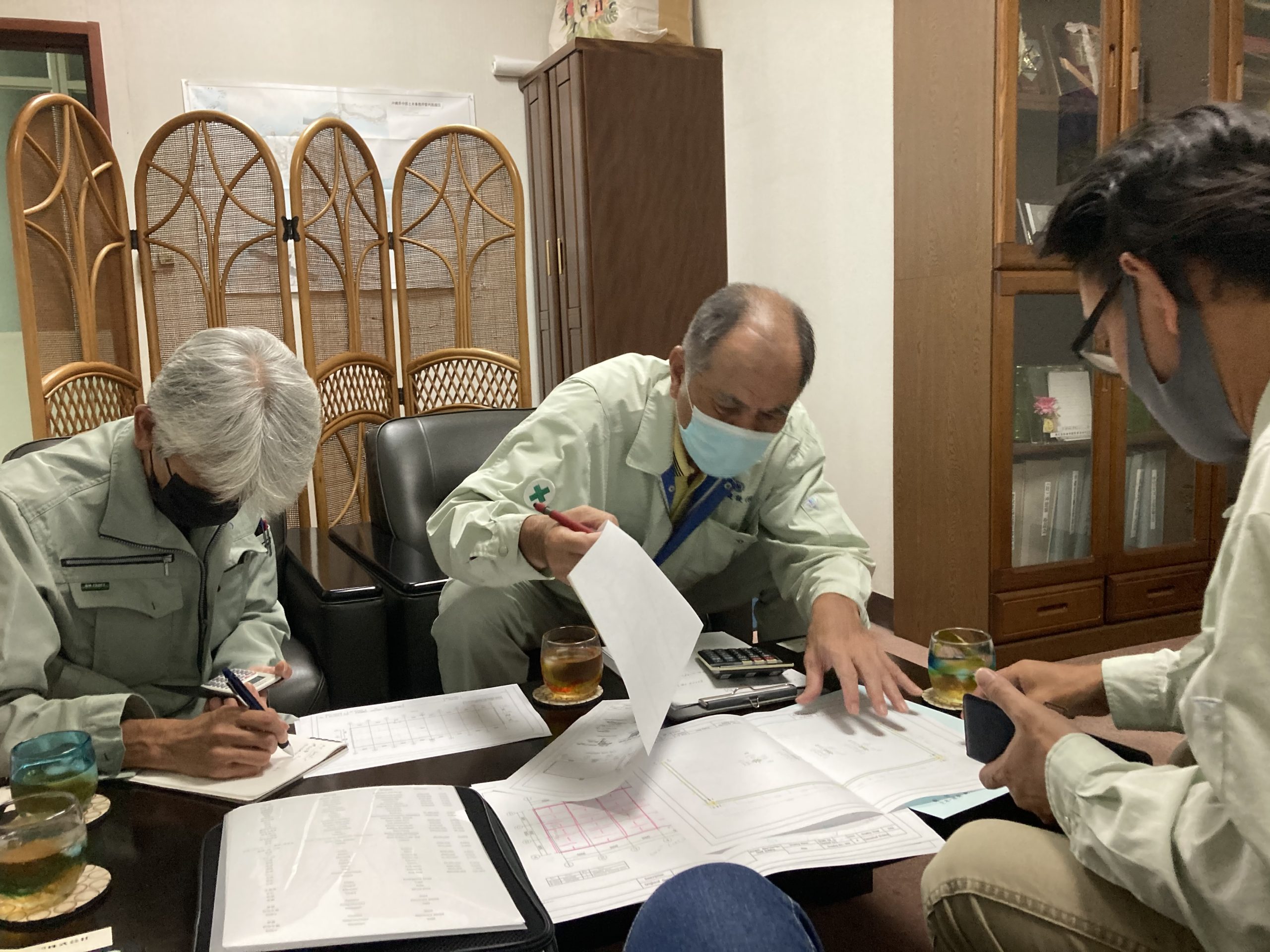
For high-value custom homes, the goal is not simply shelter but architecture. Clean forms, uninterrupted lines, and carefully controlled proportions are central to the modern architectural language that many clients now request. Through the consulting role coordinating between project owners, architects, and construction teams, careful work is required to adopt these design approaches while ensuring that practical performance and durability remain uncompromised.
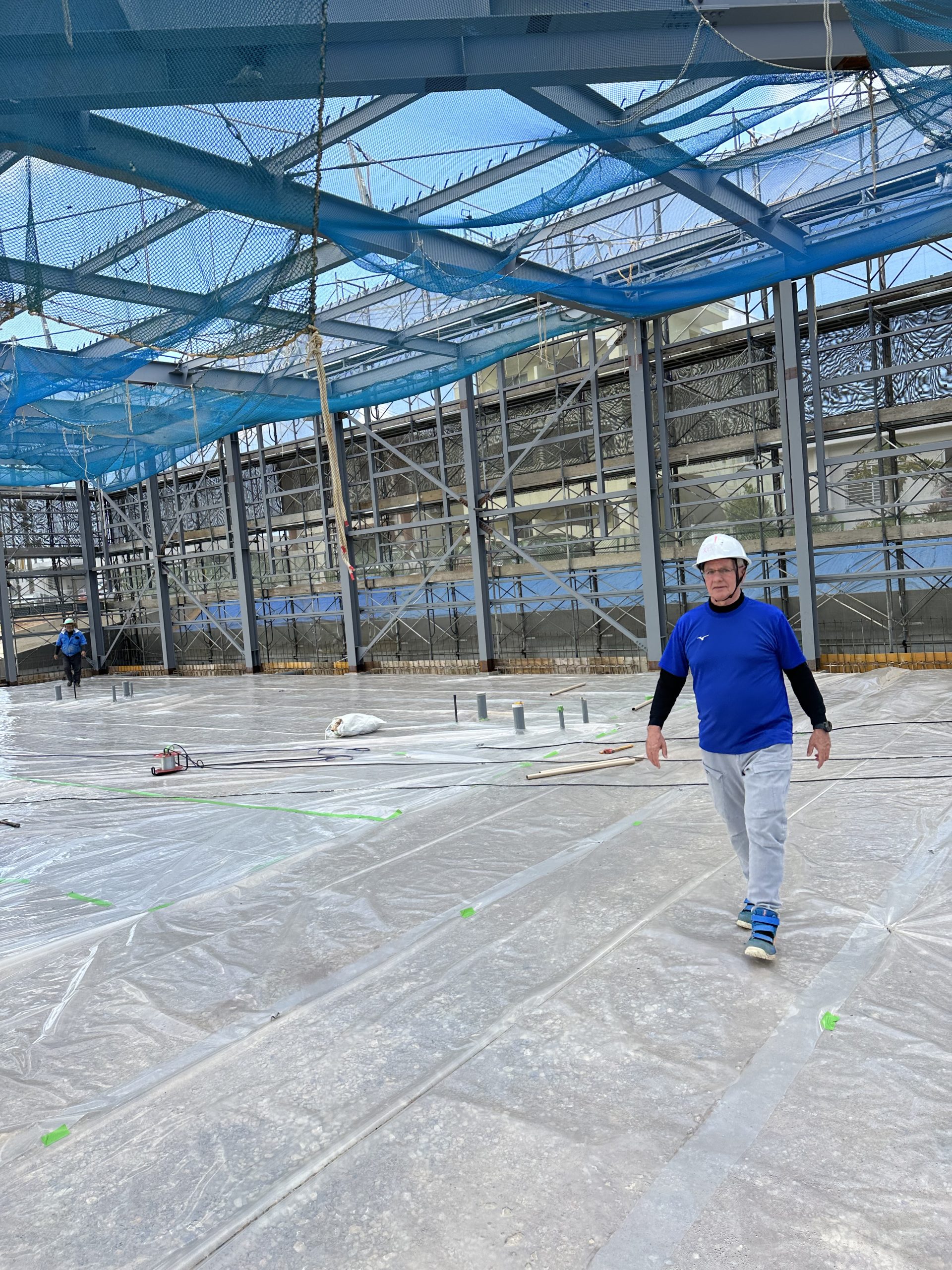
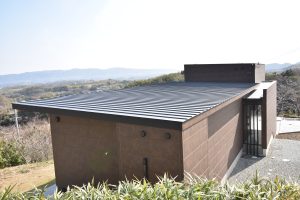
The villa currently under construction on Awaji Island provides a useful example of how this architectural trend is being applied in real projects.
A Shift Toward Cleaner Architectural Forms
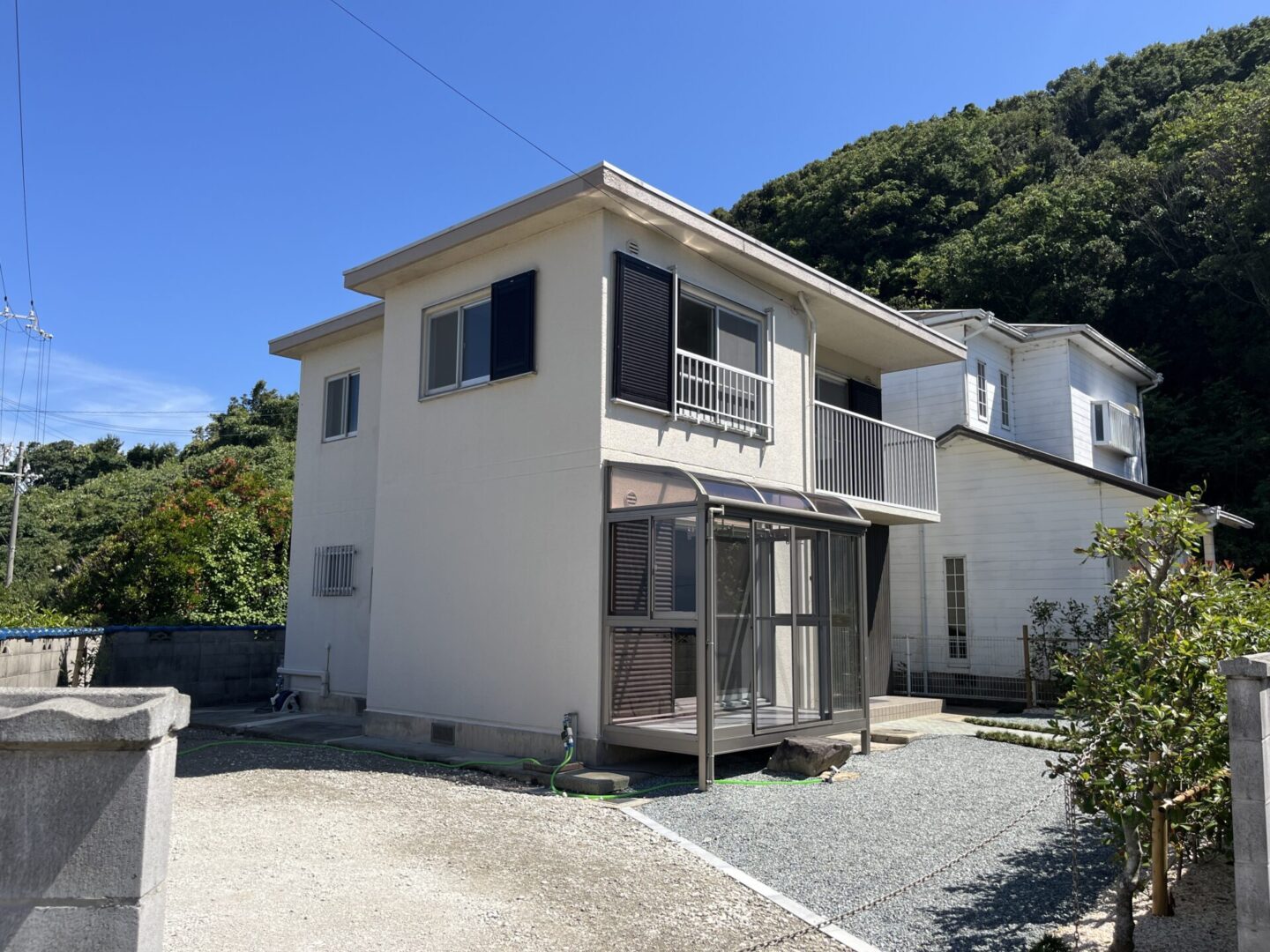
Traditional residential construction in Japan almost always includes external rain gutters and downpipes running along the roofline. Functionally, gutters serve an obvious purpose: collecting rainwater from the roof and directing it safely away from the building.
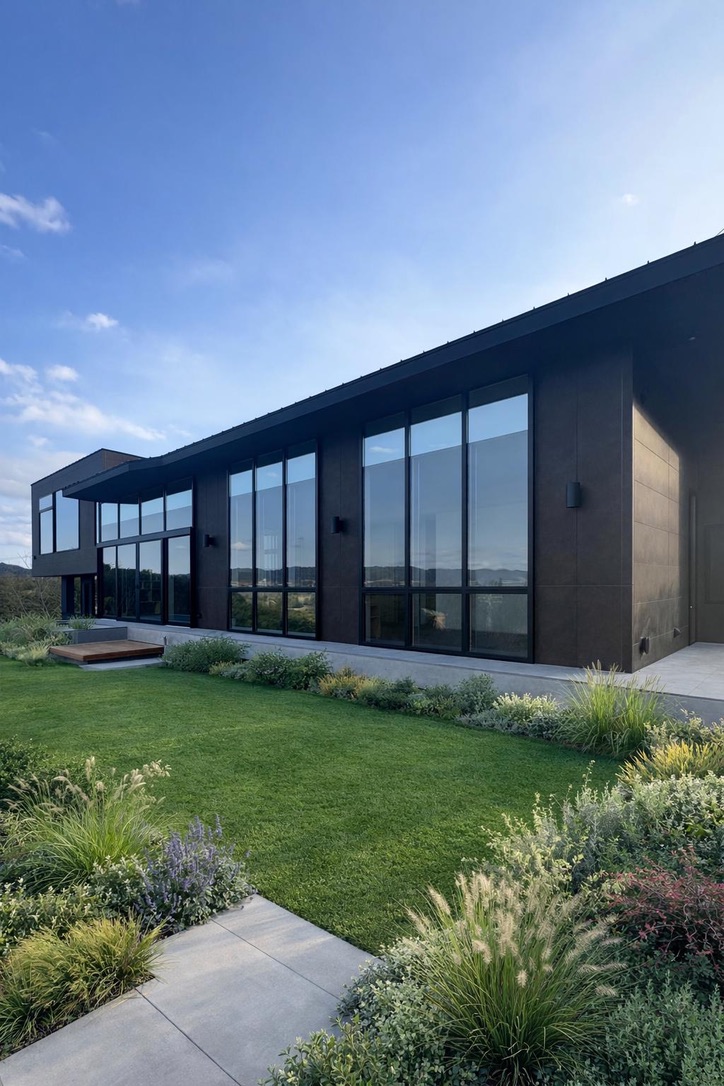
From an architectural perspective, however, gutters can interrupt the clarity of a building’s form. They add visible horizontal and vertical elements that break the continuity of roof edges and façades. As contemporary Japanese architecture has moved toward more minimalist and sculptural forms, many architects have begun seeking ways to reduce or eliminate these elements.
The result is a cleaner architectural expression. Roof edges appear sharper, wall planes remain uninterrupted, and the building reads as a single cohesive volume. For homes that emphasize strong geometry and modern materials such as metal roofing, large panel cladding, and expansive glazing, the absence of gutters can significantly enhance the architectural presence of the building. This effect is particularly noticeable in contemporary villas and architect-designed residences where visual restraint is an intentional part of the design philosophy.
Why Clients Are Asking for This Approach
The removal of visible gutters is not simply an architectural experiment. It is increasingly being requested by clients themselves.
Many high-value residential buyers today are influenced by contemporary architecture seen in design publications, architectural websites, and modern residential projects across Japan. These homes often feature crisp rooflines, simple rectangular volumes, large expanses of glass, and minimal external detailing. Visible guttering can disrupt that visual simplicity.
When clients commission architect-designed homes, they often want the building to maintain that level of architectural clarity. For this reason, architects increasingly explore solutions where rainwater management can occur without traditional external gutter systems. During early design discussions between owners and architects, this preference often emerges as part of the architectural brief.
The Engineering Reality Behind “No-Gutter” Designs
Although the term “no-gutter house” is often used, the reality is slightly more nuanced. Rainwater must always be managed; the difference lies in how it is managed.
When gutters are removed, several alternative strategies are typically employed. Architects carefully control the pitch and geometry of the roof so that rainwater flows predictably away from the building, sometimes using subtle slopes that are not immediately visible from the ground. Many modern houses also incorporate wider roof overhangs or metal drip edges that allow water to fall cleanly away from the façade rather than running down the walls.
Exterior wall materials are selected with the expectation that they may occasionally receive direct water exposure. Metal panels, fiber cement cladding, and ceramic panels are commonly used because they tolerate moisture well. Perhaps most importantly, the ground surrounding the building must be designed to absorb and disperse water. Gravel beds, stone zones, and carefully graded landscape areas prevent splashback and direct rain away from the structure.
When all these elements are considered together, the absence of gutters becomes technically feasible. Achieving this balance requires close coordination between architect, builder, and consultant.
Building a Custom Home in Japan — design, coordination, and build execution.
Subscribe to receive new articles from Smith Realty Japan.
The Awaji Island Villa: A Practical Example
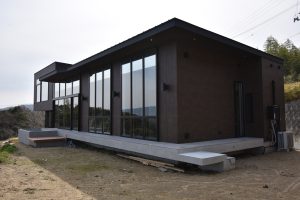
The villa currently under construction on Awaji Island illustrates how this balance can be achieved. The building follows a modern architectural approach emphasizing a strong horizontal roofline, large glazed elevations, clean uninterrupted wall surfaces, and minimal external detailing.
In keeping with the architect’s design direction, the building has been designed largely without external rain gutters. This allows the roof edge to remain visually crisp and uninterrupted along the length of the structure. The result is a building that reads as a simple, refined architectural volume set against the natural landscape of Awaji Island.
Where Practical Adjustments Were Needed
While most of the building could adopt the no-gutter strategy successfully, one location required additional consideration: the entrance area.
Entrances represent a unique challenge for gutter-free buildings. Rainwater falling directly from the roof above an entry path can create discomfort for occupants and visitors, especially during heavier rainfall. In this location, controlled drainage improves usability without compromising the architectural intent.
Turning Drainage Into an Architectural Element
At the entrance to the villa, rainwater from the roof is directed into a short concealed gutter section. From there, the water flows into a distinctive group of four vertical steel downpipes positioned alongside the entrance wall.
Rather than appearing as a purely functional plumbing element, the pipes form a deliberate architectural feature. Their arrangement creates a vertical rhythm that complements the building’s horizontal roofline and panel cladding. Visually, the pipes resemble a sculptural installation rather than a conventional drainage system.
This approach reflects a broader principle often seen in contemporary architecture: when a functional element must exist, it can be incorporated intentionally into the architectural language of the building.
Integrating Architecture With Landscape
Another critical aspect of no-gutter design lies in the surrounding landscape. Where rainwater falls directly from the roof edge, the ground surface must absorb or disperse that water effectively.
In this project, gravel drainage zones have been introduced around the perimeter of the building. These areas absorb falling rainwater, prevent splashback onto the façade, direct water into natural drainage paths, and create a visually clean perimeter around the structure. Once landscaping is completed, the gravel zones integrate naturally into the overall site design.
The Importance of Collaboration
Adopting new architectural approaches requires careful coordination between all parties involved in a project. Architects introduce design ideas, builders determine how those ideas can be constructed reliably, and owners must balance aesthetics, practicality, and cost.
The consulting role helps guide this process so that each decision is informed and coordinated. In the case of gutter-free architecture, the challenge is not simply removing gutters—it is ensuring that rainwater is still managed effectively through thoughtful design.
This requires early discussion during the design phase, careful detailing during construction, appropriate material selection, and site-specific drainage planning. When these elements are addressed properly, the result can be architecture that is both visually refined and technically sound.
A Small Detail That Reflects Larger Trends
The removal of visible gutters may appear to be a small architectural detail, but it reflects broader changes in contemporary residential design. Architect-designed homes increasingly emphasize clarity of form, minimal visual clutter, integration with landscape, and careful material expression.
Each small design decision contributes to the overall character of the building. Thoughtful coordination between design and construction can transform even functional elements—such as rainwater drainage—into part of the architectural story.
More Articles
These historic structures are part of Japan’s cultural heritage, and restoring them requires careful planning, respect for traditional materials, and ...
Author : Mark Smith
Architect-designed luxury villa on Awaji Island blending landscape, light, and quiet living. Vista Wellmina Villa offers immersive indoor–outdoor space, privacy, ...
Author : Mark Smith
This is not simply a renovation — it is a deliberate reworking of space, light, and flow. The home has ...
Author : Mark Smith
Author : Mark Smith