
What SmithRE Actually Invests In —
and What That Means for How We Think About Japan's Property Market
There is no shortage of Japan real estate sector reports in 2026. Data centres, logistics REITs, Grade-A Tokyo office, institutional co-investment vehicles — the macro picture is well covered by organisations with research departments and global capital flows to track. We read those reports. We find them useful context. We are not the right conversation for an investor approaching Japan through a financial paper lens.
What we are is the right conversation for someone who wants to own real property in Japan — understand it, build it, renovate it, hold it, and have someone alongside them who has done the same thing with their own capital in the same geography, across the same asset types, over a long time.
Our operating scope is specific. Small to mid-scale residential rental buildings — typically six to thirty apartments, one and two bedroom configuration. Luxury villa builds on sites where the client has identified the land and needs a trusted network to take it from acquisition to completion. Single family and multi-generational home renovations. Warehouse builds and renovations up to two thousand square metres. CBD Osaka commercial renovations. Restaurant projects — from lease due diligence and cost estimation before a client signs, through demolition and rebuild. Geographically: west Japan, predominantly Kansai, with warehouse and commercial work taking us further afield when the project warrants it.
That scope is not a limitation. It is a discipline. We know what we know because we have stayed in it long enough to know it thoroughly.
What We Do — and What We Do Not Do
SmithRE does not build. We do not hold contractor licences, sign construction contracts, or take builder’s liability. What we do is facilitate — assembling and coordinating the right team on behalf of the client, then representing the client’s interest throughout the project.
In practice that means suggesting architects from the network we know and trust in the relevant area. Identifying the licensed agent appropriate to the transaction. Pulling quotes from builders whose work we have seen and whose documentation we have reviewed — not the cheapest quote, but the most credible one from an operator whose track record we can verify. Then working on site as the owner’s eyes — attending inspections, reporting progress, drawing attention to concerns, and negotiating outcomes when the work does not meet the standard or the scope has shifted.
The client makes the decisions. We give them the information, the network access, and the on-site presence to make those decisions well. In a market where language, professional relationships, and local knowledge are the primary variables separating a good project from a painful one, that is the function that matters most. A foreign buyer who has found a site, identified an architect, and is ready to move does not need another opinion. They need someone who was in that architect’s office last month and knows how their projects land on site.
We suggest. We do not insist. If a client wants to use an architect or builder outside our network, we will work with that decision. But we will say clearly what we know and what we do not know about whoever they choose, and we will apply the same on-site standard regardless of who put the team together.
How We Think About the Residential Rental Market
The residential rental market in Kansai is where our own portfolio is built, and it is the market we understand most directly. Our Kawanishi apartment buildings, acquired and developed over roughly twelve years, are the foundation of that understanding. The model that produced that portfolio — stigmatised land acquired at a significant discount, construction at costs that left room between the finished project and the rental income it would produce, yield that the bank could underwrite — is not broadly replicable at current entry prices in our area of focus.
Land prices in our acquisition zone have moved by a factor of eight in seven years. Construction costs have followed in their own right. The arithmetic of buy-land-and-build-for-rent that produced our portfolio does not close the same way for a new entrant today. We have written about this in detail in our notes on what has changed in residential rental development in Japan.
What remains active at the owner-operator level is renovation — acquiring an existing structure at the right price, improving it to a defined scope, repositioning it for sale or income. The Fukukusa hotel conversion on Awajishima is the clearest recent example: a distressed hotel site that many had passed over precisely because the visible problems — deteriorated upper floors, asbestos cladding, remote location requiring water, electricity, and septic infrastructure to be brought in — made the headline price look deceptive. Our role was to provide the investor with accurate demolition costs, asbestos removal estimates, and infrastructure connection costs so the acquisition price could be assessed against the full cost to get the site to a buildable condition. That methodology — land price minus everything required to reach a building-ready state — is the only honest way to evaluate a distressed acquisition. The investor ran those numbers, made the decision, and proceeded. The result is four Minpaku residences on a coastal site with Seto Inland Sea outlook.
For a client entering the Kansai residential market today, the questions we work through before any acquisition decision are consistent: what does the building actually contain, what will it cost to bring it to standard, what will it produce in rental income at realistic occupancy, and does that yield justify the entry price at the financing terms available? Those four questions, answered honestly before the acquisition is committed, determine whether the project proceeds. We have walked away from more projects than we have accepted. That discipline is what the portfolio performance reflects.
Single-family rental — one and two bedroom detached homes — has become a more active part of our work. Remote work normalisation has driven genuine demand for suburban space and privacy. For an owner-operator entering the market without a large land holding, a well-located single-family rental acquired at the right price produces a yield calculation that the current residential apartment market in many Kansai suburbs does not. The asset management is simpler, the tenant profile is more stable, and the entry cost is lower. It is not a universal answer — location and condition determine everything — but it is a model we are watching and in some cases recommending.
Investment Strategy & Consulting in Japan
— structure, execution, and performance over time.
Subscribe to receive new articles from Smith Realty Japan.
How We Think About Commercial and Warehouse Work
Warehouse demand in west Japan reflects something real. The logistics infrastructure supporting Kansai’s manufacturing and distribution base has not kept pace with demand, and well-located warehouse space in the right configuration commands stable long-term tenancies. Our warehouse work sits in the build and renovation space up to two thousand square metres — owner-occupier and investment-grade tenant requirements, not institutional logistics platforms. The client profile is typically a business owner who needs the space for their own operation, or an investor who has identified a tenant and needs the building delivered to specification.
What we bring to a warehouse project is the same thing we bring to a residential one: honest cost modelling before commitment, a network of builders and engineers whose work we know, and on-site representation throughout. A warehouse client who has found land and agreed in principle with a tenant still needs to know what the build will actually cost, what the programme looks like, and what the regulatory obligations are for the site. Getting those numbers before the land purchase is committed is the same discipline we apply to every project type.
The restaurant and CBD commercial work operates on a different timeline. A client considering a restaurant lease in Osaka brings us in before they sign — to assess the space, model the fit-out and demolition cost, identify the structural and regulatory constraints, and give them an honest picture of what the project will actually cost before they are committed to a long lease on a space that cannot deliver the build they need at the budget they have. That sequence — cost visibility before lease commitment — is the single most important service we provide in the commercial space.
A restaurant lease signed without a credible fit-out cost model is a problem that compounds every month of the tenancy. The landlord has the tenant locked in. The fit-out runs over budget. The opening is delayed. The business launches under financial pressure that was entirely avoidable if the numbers had been run before the lease was signed. We have seen this play out enough times to know that the due diligence conversation, uncomfortable as it sometimes is before a client is emotionally committed to a space, is always the right conversation to have first.
What This Means for How We Read the Market
The sector reports published by institutional research houses describe a Japan real estate market that is real — the capital flows, the data centre investment, the logistics demand, the premium urban residential repricing. We do not dispute any of it. But it describes a market that operates at a scale and through structures that are not our world.
Our world is a client who has identified a site in Kansai and needs to know whether the land price makes sense, which architect to call, what the build will actually cost, and who will stand on site and represent their interest when the builder’s explanation for a non-compliant outcome does not hold up to scrutiny. That is a specific kind of value. It is not available from a research report, a REIT, or a crowdfunding platform. It is available from someone who has been doing this work in this geography for a long time, with their own capital at stake alongside the client’s.
The market in 2026 is more demanding than it was five years ago — entry prices are higher, compliance costs are higher, and the margin for error in a feasibility model is thinner. That makes the due diligence conversation more important, not less. A client who gets the numbers right before committing — on land, on build cost, on regulatory obligations, on yield — is in a position to make a decision they can stand behind. A client who gets those numbers wrong, or does not get them at all, finds out on the other side of a commitment that cannot be undone.
If the conversation you are looking for is about owning and developing real property in west Japan, with someone who operates in the same market with their own capital, we are the right starting point.
Our Insights reflect how we think about investing in Japanese real estate — the questions we ask, the trends we watch, and the reasoning behind the decisions we make for our own portfolio. We share them in the hope they’re useful food for thought, but they are not advice — just one active investor’s view of the market.
More Articles
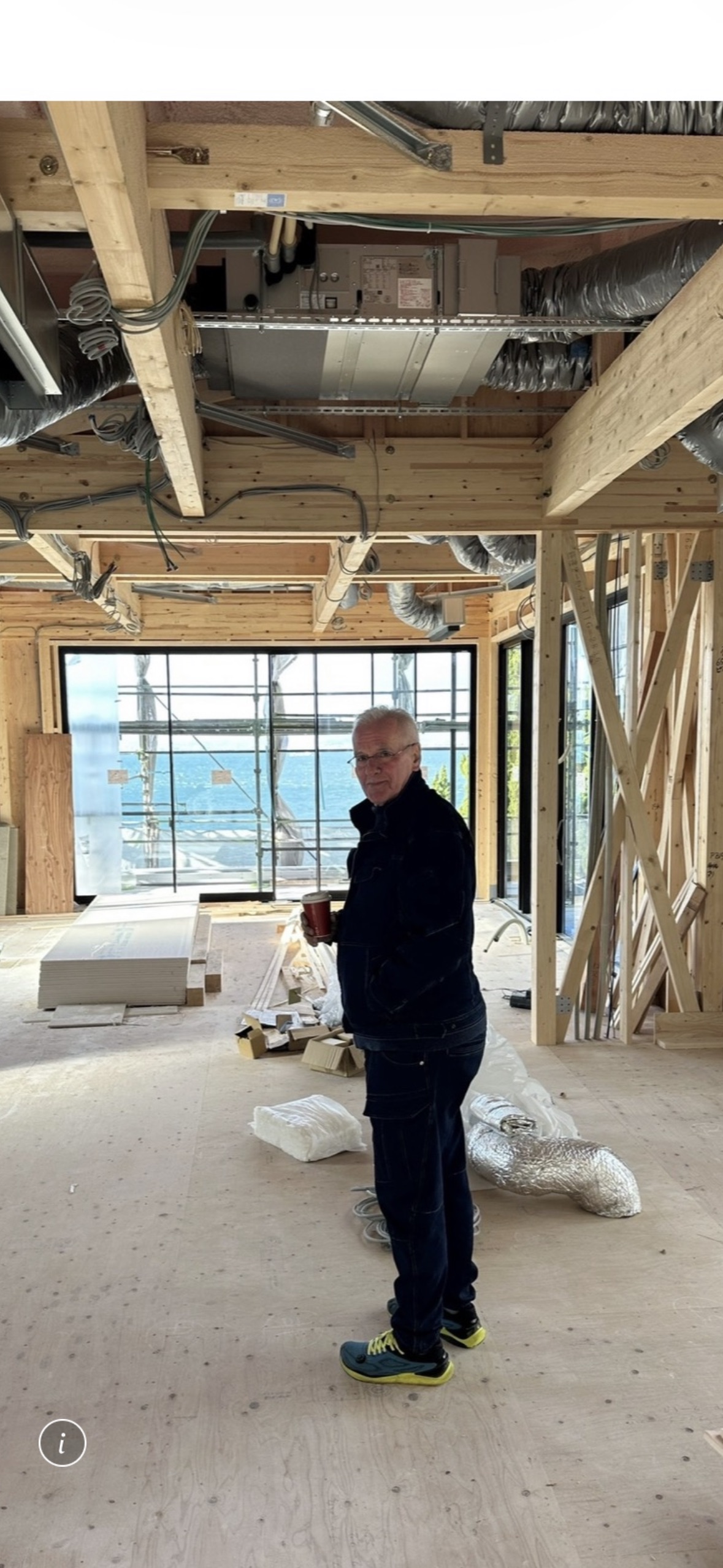
Why investor-led buy-and-build-for-rent has narrowed in Japan — land prices up, construction cost increases, yield compression, and what is replacing ...
Author : Mark Smith
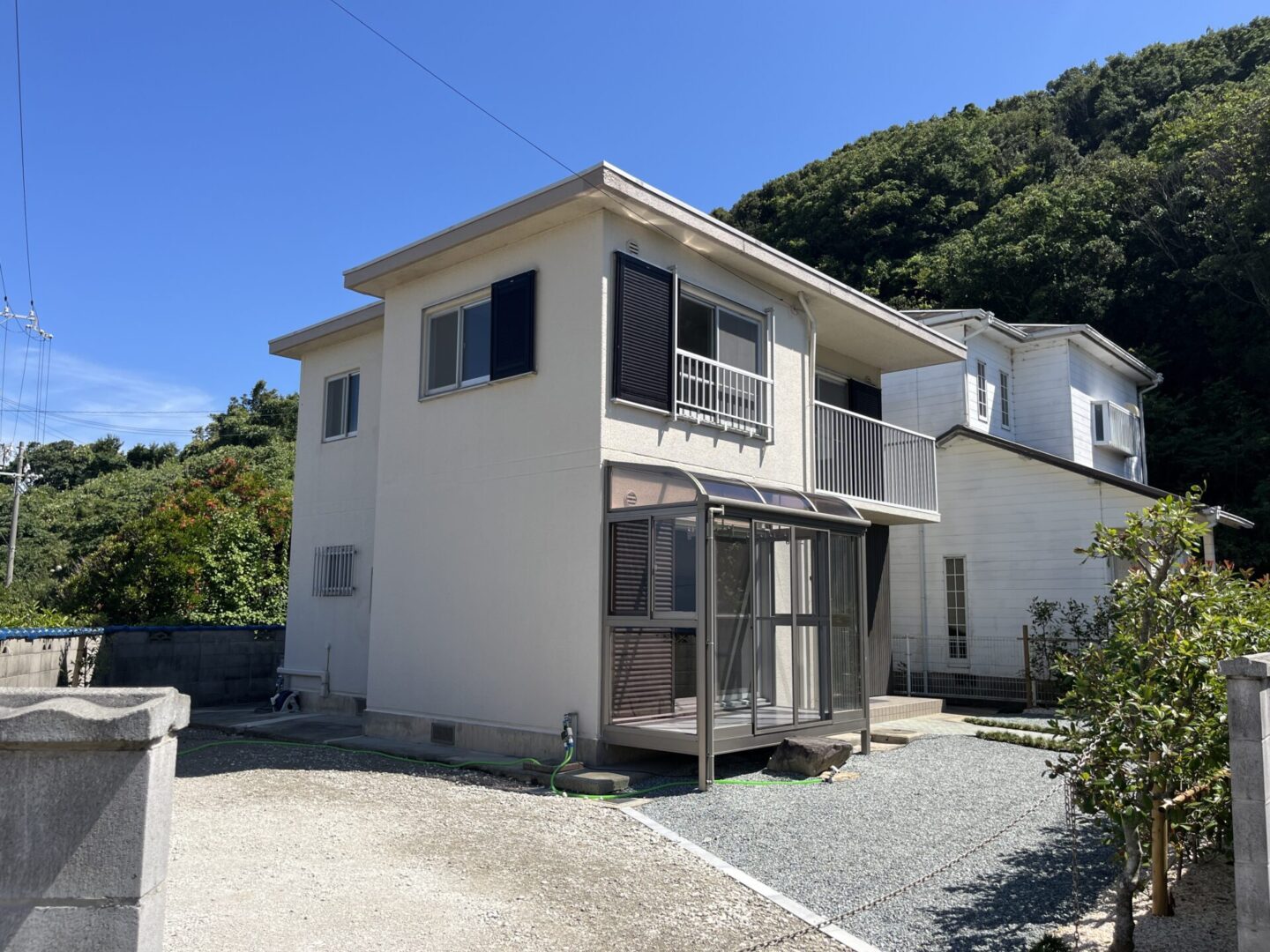
This is not simply a renovation — it is a deliberate reworking of space, light, and flow. The home has ...
Author : Mark Smith
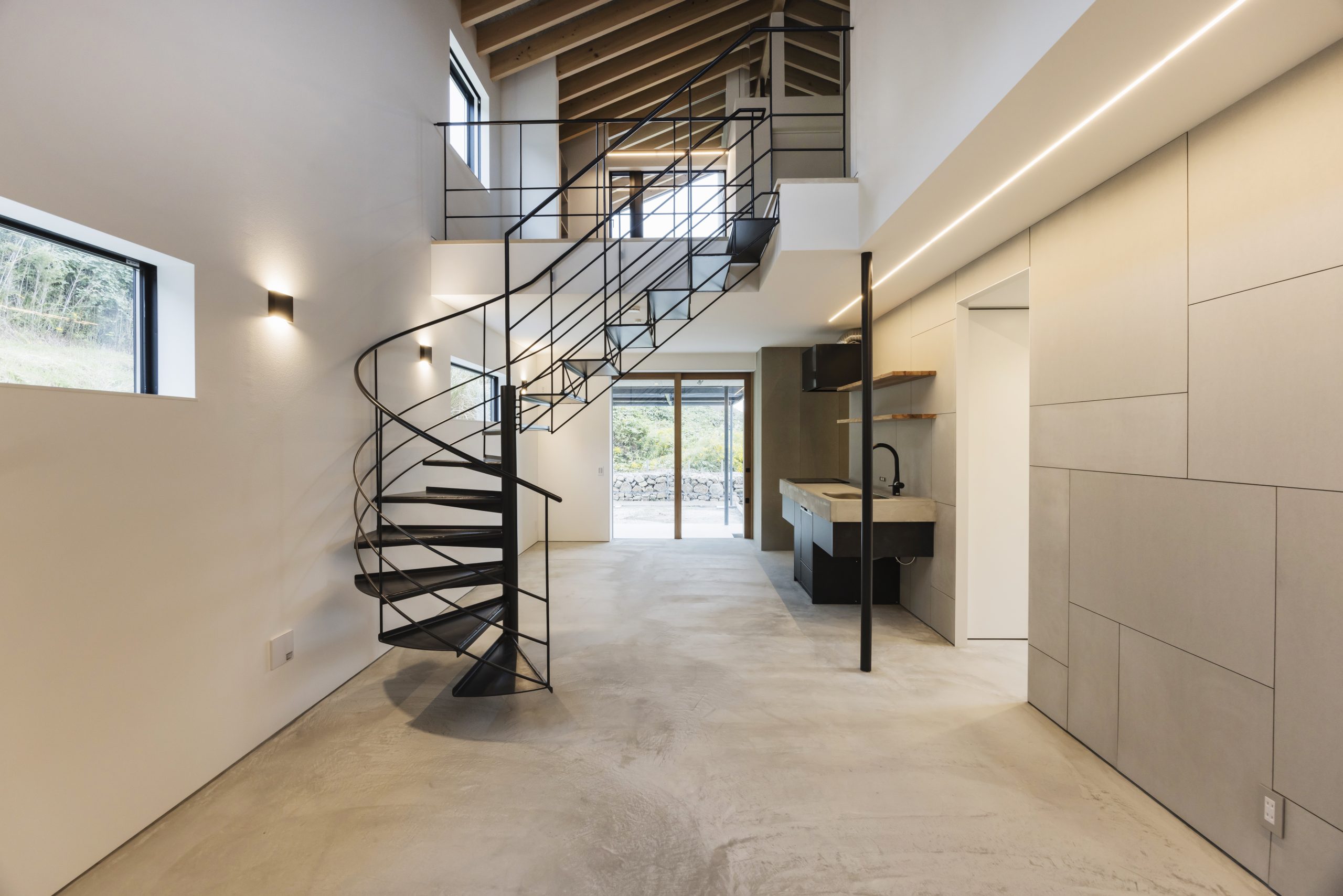
Forward-thinking investors team up with Smith Realty Japan: Premier Consulting Services for Your Real Estate Projects Discerning Clients Demand our ...
Author : Mark Smith

The Japanese building industry has transformed dramatically since the 1970s, driven by technological advancements, societal shifts, and the need for ...
Author : Mark Smith
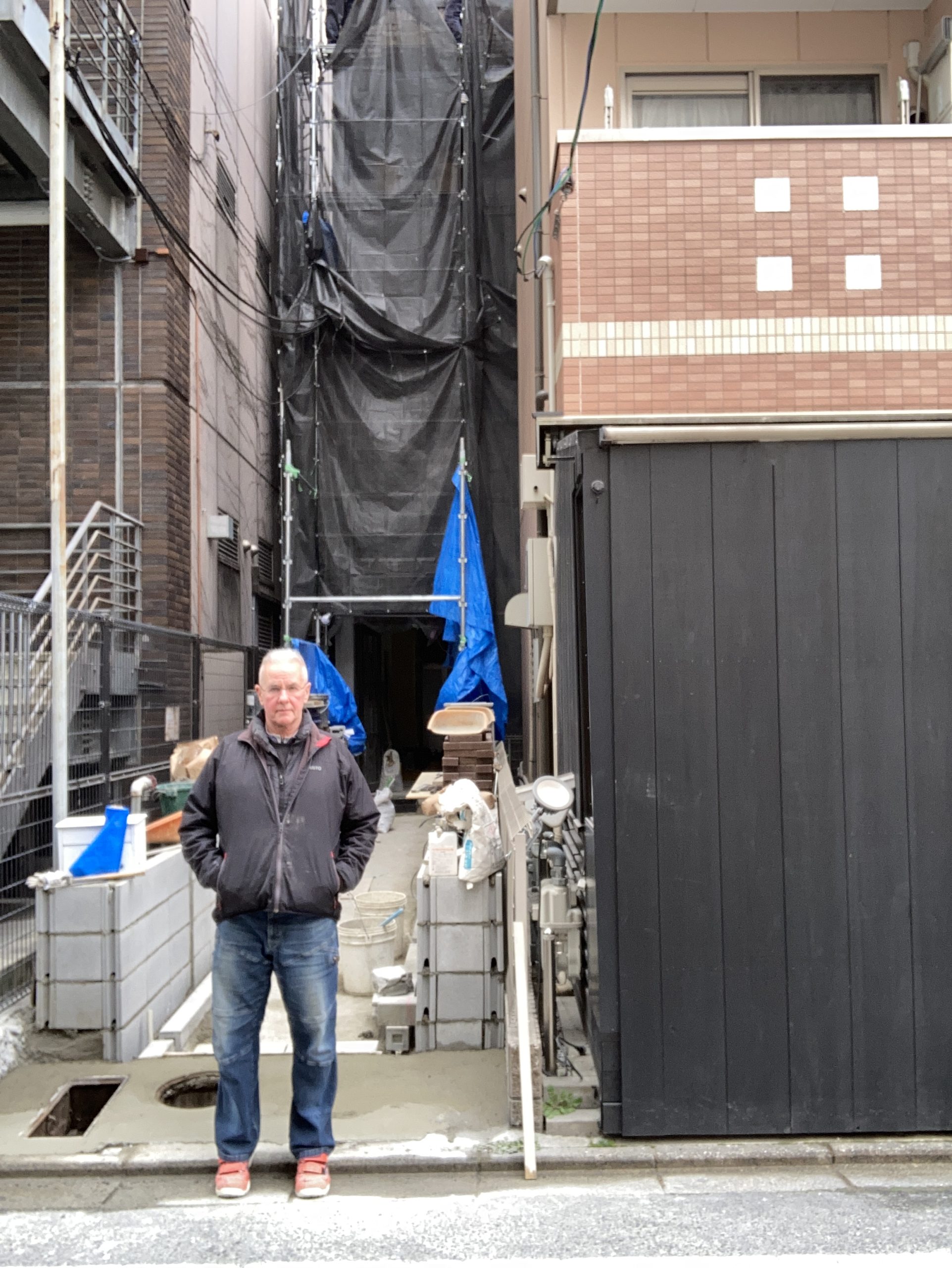
The Japanese real estate market offers unique growth potential for investors. One of the most compelling aspects is the significant ...
Author : Mark Smith
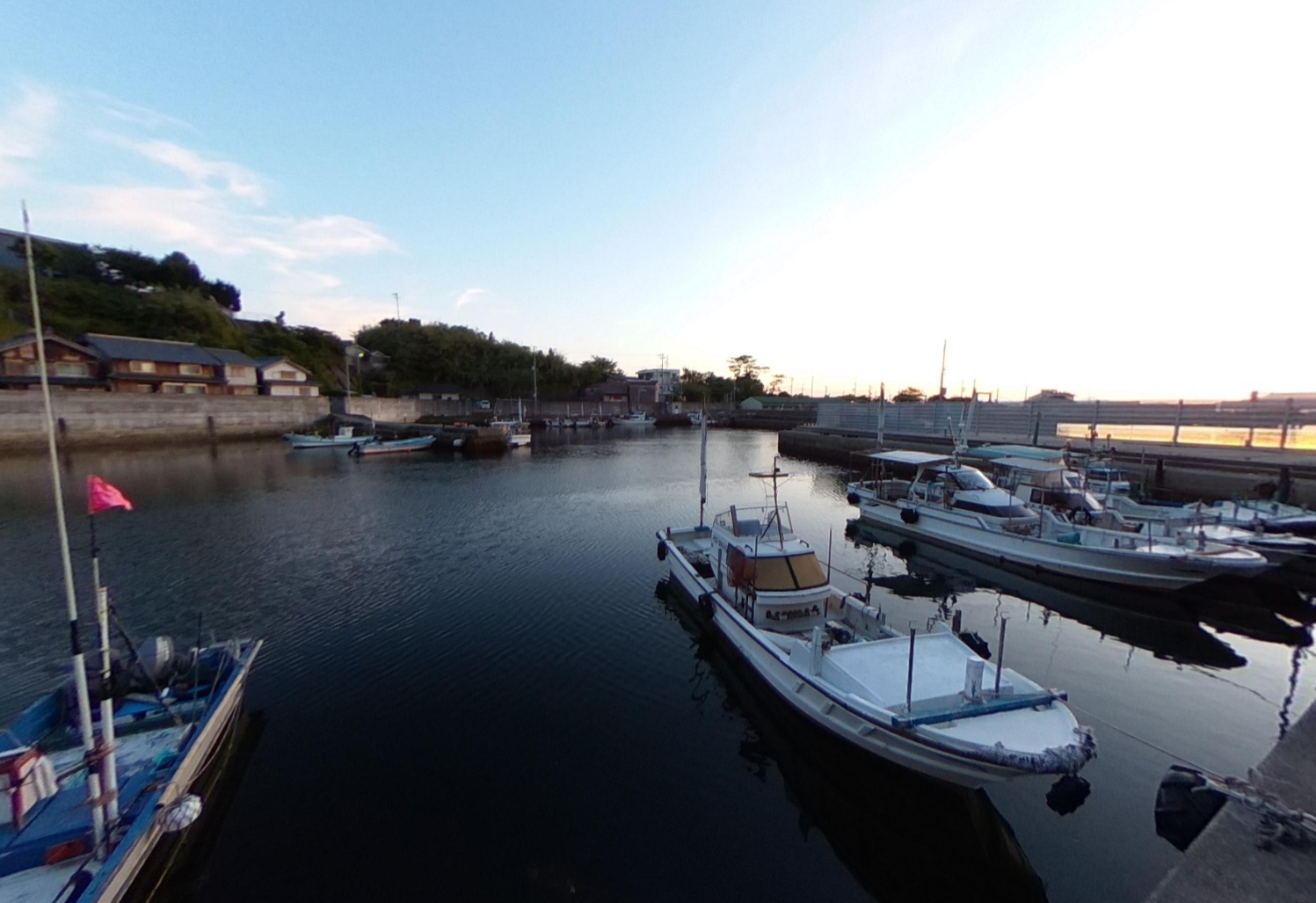
Just a short 10-minute ferry ride from Habu Ferry Terminal on Awaji Island's southern coast lies Nushima—a tranquil island sanctuary ...
Author : Mark Smith