Kominka in the Kansai Region — What Makes Them Distinctive
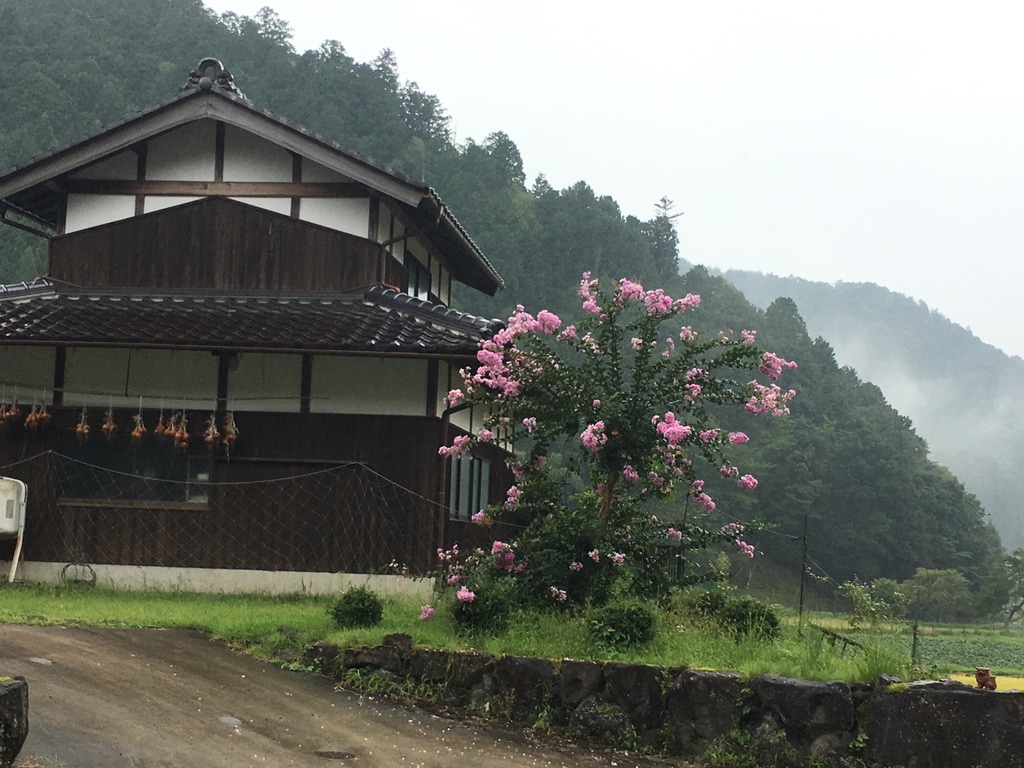
Japan’s traditional farmhouses — kominka — are found across the country, but those of the Kansai region carry a character that sets them apart. Shaped by centuries of commerce, culture, and climate, Kansai kominka reflect the particular history of Japan’s ancient heartland — the seat of imperial power, the engine of merchant culture, and a landscape that ranges from the inland basin of Nara and Kyoto to the coastal plains of Hyogo and the mountainous interiors of Wakayama and Shiga.
Understanding what makes Kansai kominka distinctive is not simply an architectural exercise. For buyers and investors considering a heritage property investment in Japan in this region, it is the foundation of an informed decision.
The Merchant Influence
Perhaps the single greatest differentiator of Kansai kominka is the deep influence of merchant culture — particularly in Osaka, the old commercial capital of Japan. While rural farmhouses across other regions were built primarily around agricultural function, many Kansai kominka — particularly the machiya townhouse variants found in Kyoto and the surrounding basin — were built with commerce in mind. The classic Kyoto machiya follows the unagi no nedoko layout, literally “eel’s bed,” stretching deep from a narrow street frontage through a series of interior courtyards. Light wells and inner gardens (tsuboniwa) moderate temperature and draw light into rooms that would otherwise be dark.
Even in more rural Kansai settings, the merchant influence manifests in the quality of materials and the attention to detail. Craftsmen in this region had access to the finest timber, the best tile makers, and the most skilled plasterers. The result is a regional stock of kominka that tends to be better constructed and more ornate than equivalent structures in more remote areas of Japan.
Structural Characteristics
Kansai kominka are typically built using the traditional wooden post-and-beam method (kigumi), but the regional expression of this technique has specific traits. Roof pitches in Kansai farmhouses tend to be steeper than those found in warmer southern regions, designed to handle the heavier snowfall of the interior highlands of Shiga and northern Hyogo. In contrast, kominka closer to the Seto Inland Sea coast — across southern Hyogo and into Awaji Island — reflect a milder maritime climate with shallower roof profiles and greater use of ceramic tile rather than thatch.
Thatched roofs (kayabuki) were once common across Kansai’s rural interior, and many kominka retain the steep traditional roofline that kayabuki demanded. However, the cost of maintaining genuine thatch — which requires specialist craftsmen whose numbers are declining — has led the majority of owners to convert to metal roofing, typically a standing seam or corrugated steel profile. When done well, this conversion preserves the distinctive steep pitch and overall silhouette of the original structure while eliminating the ongoing maintenance burden. The roofline remains; the thatch does not. For buyers, a metal-roofed kominka with the original pitch intact represents a practical and increasingly common compromise between heritage character and long-term usability. For many buyers, this transition becomes part of a broader decision around renovating old properties in Japan
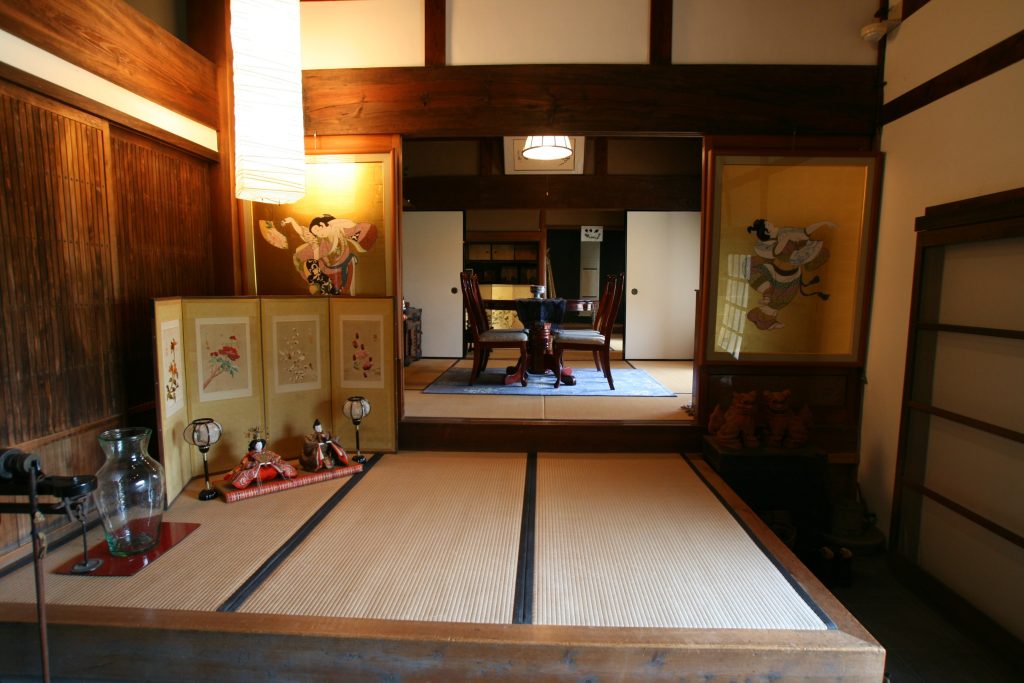
Critically, by retaining the original roof pitch, the conversion also preserves what many consider the defining interior feature of a Kansai kominka — the soaring exposed timber ceiling, where centuries-old keyaki and sugi beams rise to their full dramatic height, smoke-darkened and magnificent. It is this volume and craftsmanship that no modern build can replicate.
The doma — an earthen-floored working area at the entry — is a common feature across all Kansai kominka, though its scale and function varies. In agricultural settings it served as a workspace for tools, animals, and processing crops. In merchant and townhouse variants it transitioned naturally into a commercial entry zone, often with a raised timber floor immediately behind where the family lived and worked.
Kominka in Japan — structure, use, and continuity over time.
Subscribe to receive new articles from Smith Realty Japan.
Regional Variation Within Kansai
Why This Matters for Buyers
For international investors entering the Japanese property market approaching the Kansai kominka market, regional literacy is a genuine advantage. A kominka in the Tamba highlands will present very different structural challenges, restoration costs, and lifestyle outcomes than one on the outskirts of Kyoto or on the southern coast of Awaji Island. Climate exposure, access to specialist craftsmen, local government grant availability, and the intended use — whether primary residence, rental, or hospitality — all intersect with regional context.
Kansai’s position as Japan’s cultural and commercial heartland also means that heritage properties here sit within a living cultural context. Festivals, food culture, craft traditions, and community networks remain strong across the region in ways that add genuine depth to the experience of owning and restoring a kominka here — often requiring a thoughtful approach to financing, planning, and execution, particularly when working with Japanese banks for real estate investment
For those seriously considering a heritage property in Japan, Kansai is not simply a location. It is an argument for a particular kind of life.